

 Preview
 Send
Send Share
Share
 Details

 Download
 Similars
 X-Ray
X-Ray Diaporama
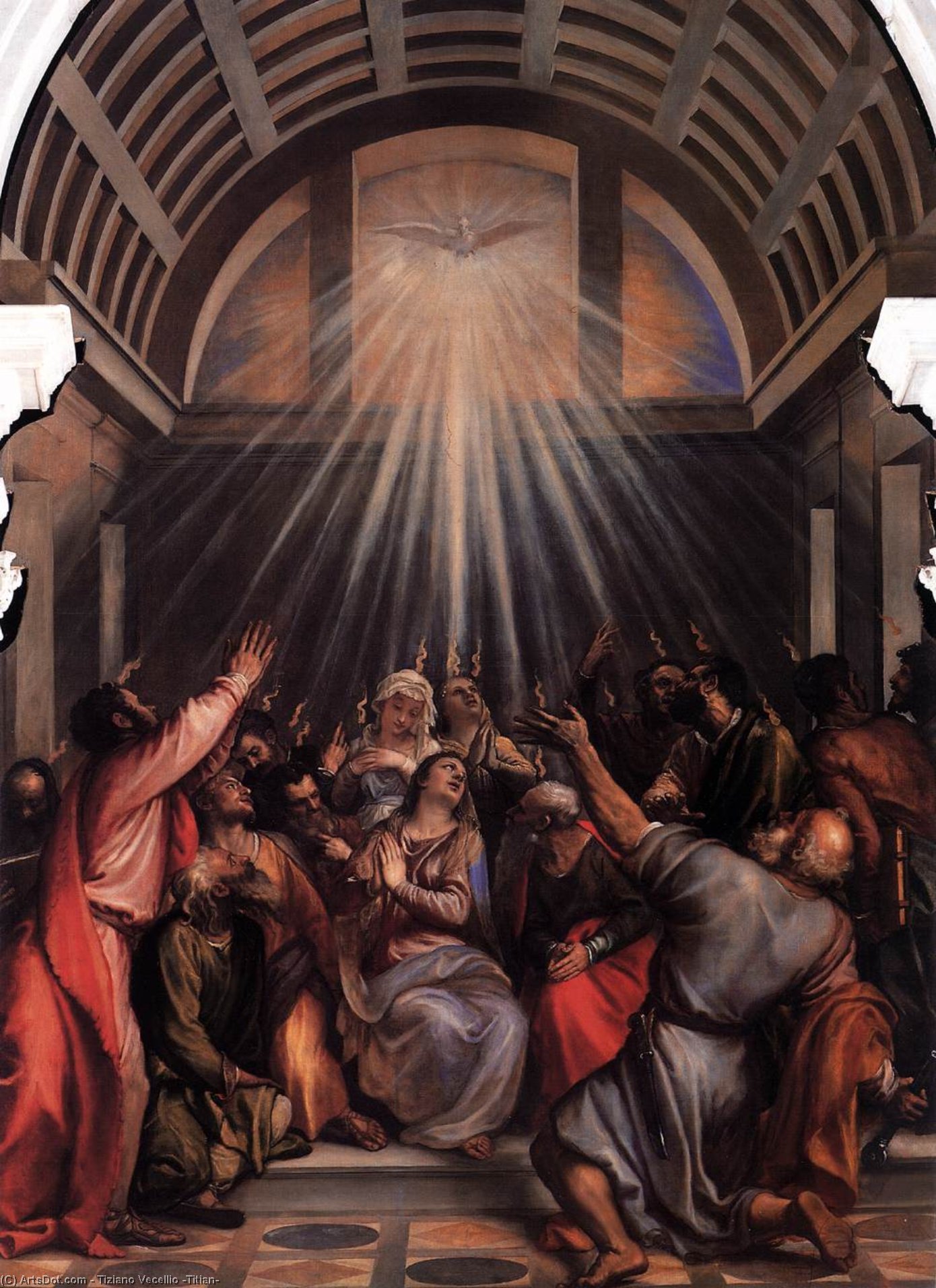
The Descent of the Holy Ghost
 Oil On Canvas
- WallArt
- Renaissance Venetian Painting
 1545
1545 570.0 x 260.0 cm
 Santa Maria della Salute
 Read More
Purchase a high-resolution, enhanced digital image, far superior to the online preview.
Each file is meticulously prepared by our in-house specialists using advanced tools and expert manual retouching. We ensure every image has exceptional clarity, precise color accuracy, and fine detail.
The final file is delivered via email within 72 hours, optimized for immediate use in professional, editorial, and print environments. This is the same quality trusted by top-tier design studios, publishers, and galleries.
Digital Image
Download a high-resolution file for personal display, printing, and creative projects. ( Buy Print Buy Hand Made Painting)
Included in Every Digital Image Order
Expert Digital Delivery, Guaranteed
When you choose ArtsDot.com, you're not just getting an image - you're receiving a professionally enhanced digital artwork, crafted with precision and backed by a satisfaction guarantee. Here's everything that comes with your order, automatically:

Fast Email Delivery
Your high-resolution digital image file will be emailed to you within 72 hours of ordering - ready for immediate use.

AI-Enhanced Digital File
Your artwork is professionally optimized using advanced AI tools and manual editing, ensuring maximum detail, clarity, and color accuracy.

Free Lifetime Re-Delivery
Accidentally deleted or lost your file? No worries - we'll resend it to you anytime, free of charge.

No Import Fees - Ever
Enjoy your artwork instantly with zero customs, duties, or delivery fees - digital downloads are always tax-free.

Color Accuracy Guarantee
We ensure your digital image reflects the original colors as closely as possible using professional tools and color management.

60-Day Satisfaction Guarantee
If you're not satisfied with your digital image, we'll revise it or refund 100% within 60 days - no questions asked.

100% Money-Back Guarantee
Not satisfied? Get a full refund within 60 days of receiving your digital file - no questions asked.

Bulk Order Discounts
Buy 3 images, save 10% - Buy 5, save 15% - Buy 10+, save 20%. Great for creative projects, galleries, and agencies.
Collectible Description
A Divine Encounter: Tiziano Vecellio’s “The Descent of the Holy Ghost”
Tiziano Vecellio's "The Descent of the Holy Ghost," painted in 1545, isn’t merely a religious depiction; it’s an immersive experience. Created during the High Renaissance in Venice, this monumental oil on canvas transcends simple illustration, becoming a profound meditation on faith, grace, and the transformative power of divine presence. Measuring a commanding 570 x 260 cm, the painting dominates any space it occupies, drawing the viewer into its vibrant world of color and emotional intensity. It’s housed within the Santa Maria della Salute in Venice, a location that itself speaks to the city's rich history of art and devotion.
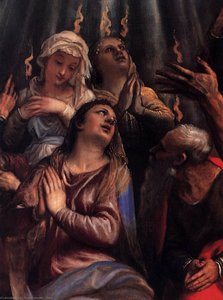
The scene unfolds with breathtaking dynamism. The Holy Spirit, rendered as a radiant dove, plunges downwards from the heavens, enveloping a central female figure – often identified as Mary, though interpretations vary – in an ethereal embrace. Around her, a throng of apostles and other figures react with awe and reverence, their gestures conveying a palpable sense of spiritual awakening. The architectural backdrop, an arched structure reminiscent of Byzantine churches, adds depth and grandeur, creating a stage for this pivotal moment in Christian theology.
A Symphony of Color: Tiziano’s Revolutionary Technique
Titian was renowned throughout Europe for his mastery of color, and “The Descent of the Holy Ghost” is a testament to this skill. He employed a technique known as ‘sfumato,’ blurring lines and softening edges to create an atmosphere of luminous haze. Notice how he uses layers of translucent glazes – thin washes of paint applied over dry underpaintings – to build up color gradually, resulting in a remarkable depth and richness. The palette is extraordinarily vibrant: fiery reds and golds dominate the scene, contrasted by cool blues and purples that evoke both heaven and earth. This masterful manipulation of light and shadow isn’t simply decorative; it serves to heighten the emotional impact of the event, conveying a sense of divine energy and transcendence.
Furthermore, Titian's use of color is deeply symbolic. The dove, traditionally associated with peace and the Holy Spirit, is bathed in golden light, signifying its sacred nature. The reds and golds represent passion, sacrifice, and the glory of God, while the blues and purples evoke humility and spiritual contemplation. He expertly balances these elements to create a harmonious composition that speaks directly to the viewer’s soul.
Historical Context & Spiritual Significance
“The Descent of the Holy Ghost” reflects the artistic trends of the Renaissance, particularly the renewed interest in religious themes and the desire to depict biblical events with dramatic realism. During this period, church decoration often focused on the apse and entrance walls, designed to capture the attention of worshippers as they entered sacred spaces. Titian’s large format and emotionally charged imagery were perfectly suited for this purpose, creating a powerful visual statement about faith and divine intervention.
The painting's depiction of Pentecost – the day the Holy Spirit descended upon the apostles – is central to Christian theology. It commemorates the event described in Acts 2, where believers received the gift of the Spirit and were empowered to speak in other languages. Titian’s portrayal captures this moment of profound spiritual transformation, emphasizing the unity and joy experienced by those who have encountered God's grace. The inclusion of both male and female figures highlights the universality of salvation – a radical concept for its time.
A Legacy of Inspiration
Titian’s influence on subsequent generations of artists is undeniable. His innovative use of color, his mastery of composition, and his ability to evoke powerful emotions paved the way for many later painters. Works like “The Descent of the Holy Ghost” continue to inspire awe and wonder, reminding us of the enduring power of art to connect us with something greater than ourselves. Reproductions of this masterpiece offer a remarkable opportunity to bring its beauty and spiritual depth into any setting, serving as a constant reminder of faith, hope, and divine grace.
Related Artworks

Artist Biography
The Venetian Titan: A Life in Color and Canvas
Tiziano Vecellio, known to the world as Titian, stands as a monumental figure of the Italian Renaissance—perhaps its most celebrated colorist and a master who redefined the possibilities of oil painting. Born around 1490 in Pieve di Cadore, nestled amidst the dramatic landscapes of the Venetian Alps, his journey from humble beginnings to international acclaim is a testament to prodigious talent and an unwavering dedication to artistic innovation. The details surrounding Titian’s early life remain somewhat shrouded in mystery, but we know he was one of several children born to Gregorio Vecellio, a military man, and Lucia. Recognizing their sons' potential, the family arranged for young Tiziano and his brother Francesco to apprentice with an artist in Venice—a decision that would irrevocably alter the course of art history.
Venice at the turn of the 16th century was a vibrant hub of commerce, culture, and artistic ferment. Titian’s initial training took place within the workshop of Sebastiano Zuccato, a mosaicist, followed by brief periods under the tutelage of Gentile Bellini and, crucially, his brother Giovanni. However, it was his association with Giorgione—a fellow Venetian painter whose work possessed an ethereal poetic quality—that proved most formative. The two artists collaborated on several projects, including the exterior frescoes for the Fondaco dei Tedeschi, a bustling trading post for German merchants. Even in these early works, Titian’s exceptional skill was evident, earning him recognition among his contemporaries and foreshadowing the brilliance that would soon blossom.
A Master's Evolving Style
Titian’s artistic development can be characterized by a remarkable versatility and an ongoing exploration of painterly techniques. His early works, heavily influenced by Giorgione, exhibit a delicate lyricism and a masterful use of color to create atmospheric effects. Paintings like *A Man with a Quilted Sleeve* (circa 1509) demonstrate his emerging talent for portraiture, capturing not only the physical likeness of his subjects but also their inner character. As he matured, Titian began to move away from Giorgione’s subtle tonalities and embrace a bolder, more dramatic approach to color. *The Visitation of Mary and Elizabeth* (now in the Accademia, Venice) exemplifies this shift, showcasing his growing confidence in handling complex compositions and vibrant hues.
Throughout his long career, Titian consistently pushed the boundaries of artistic expression. He experimented with different brushstrokes—from smooth, blended surfaces to loose, expressive marks—and developed a unique technique for layering colors to create luminous effects. His portraits became renowned for their psychological depth and realistic portrayal of textures and fabrics. Simultaneously, he excelled in mythological and religious subjects, imbuing them with a sensuality and dramatic intensity that captivated audiences. A prime example is *Venus of Urbino*, a masterpiece that redefined the depiction of the female nude and established Titian as a leading figure in Venetian painting.
Patronage, Prestige, and Lasting Influence
Titian’s talent attracted the attention of powerful patrons from across Europe. He served as court painter to Emperor Charles V, King Philip II of Spain, and Pope Paul III, among others. This patronage not only provided him with financial security but also allowed him to create monumental works that showcased his artistic prowess on a grand scale. His ability to adapt his style to the tastes of different courts while maintaining his own distinctive voice is a testament to his exceptional skill and diplomatic finesse.
The impact of Titian’s work extended far beyond his lifetime. His innovative use of color, his loose brushwork, and his emphasis on capturing the emotional essence of his subjects profoundly influenced generations of artists. From Peter Paul Rubens and Rembrandt to Eugène Delacroix and Édouard Manet, countless painters drew inspiration from his masterpieces. He is considered a pivotal figure in the transition from the High Renaissance to the Baroque period, paving the way for new artistic styles and approaches.
A Legacy Enduring Through Centuries
Titian passed away in Venice in 1576, leaving behind an extraordinary body of work that continues to inspire awe and admiration. His paintings can be found in museums around the world, including the Galleria Palatina in Florence, the Prado Museum in Madrid, and the National Gallery in London. To experience a Titian is to encounter a master craftsman at the peak of his powers—a painter who possessed an unparalleled ability to capture the beauty, drama, and complexity of the human condition.
Exploring Further
- Museums & Collections: Discover Titian’s works at the Scuola del Santo in Padua and San Salvador in Venice, both showcasing his breathtaking frescoes.
- Related Artists: Explore the influence of Giorgione on Titian's early style and the later impact of Titian on artists like Rubens and Delacroix.
- Historical Context: Immerse yourself in the world of the Italian Renaissance and Venetian painting to fully appreciate Titian’s artistic achievements.
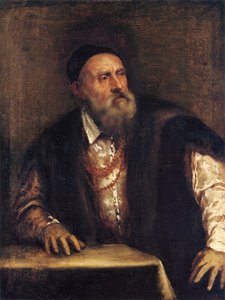
Titian
1490 - 1576 , Italy
Quick Facts
- Artistic Movement Or Style: Renaissance, Venetian painting
- Artists Or Movements Influenced By This Artist:
- Western artists
- Late Italian Renaissance
- Artists Who Influenced This Artist:
- Giovanni Bellini
- Giorgione
- Date Of Birth: c. 1490
- Date Of Death: 1576
- Full Name: Tiziano Vecellio
- Nationality: Italian
- Notable Artworks:
- A Man with a Quilted Sleeve
- The Visitation
- Bearded Young Man
- Place Of Birth: Pieve di Cadore, Italy

