

 Preview
 Send
Send Share
Share
 Details

 Download
 Similars
 X-Ray
X-Ray Diaporama
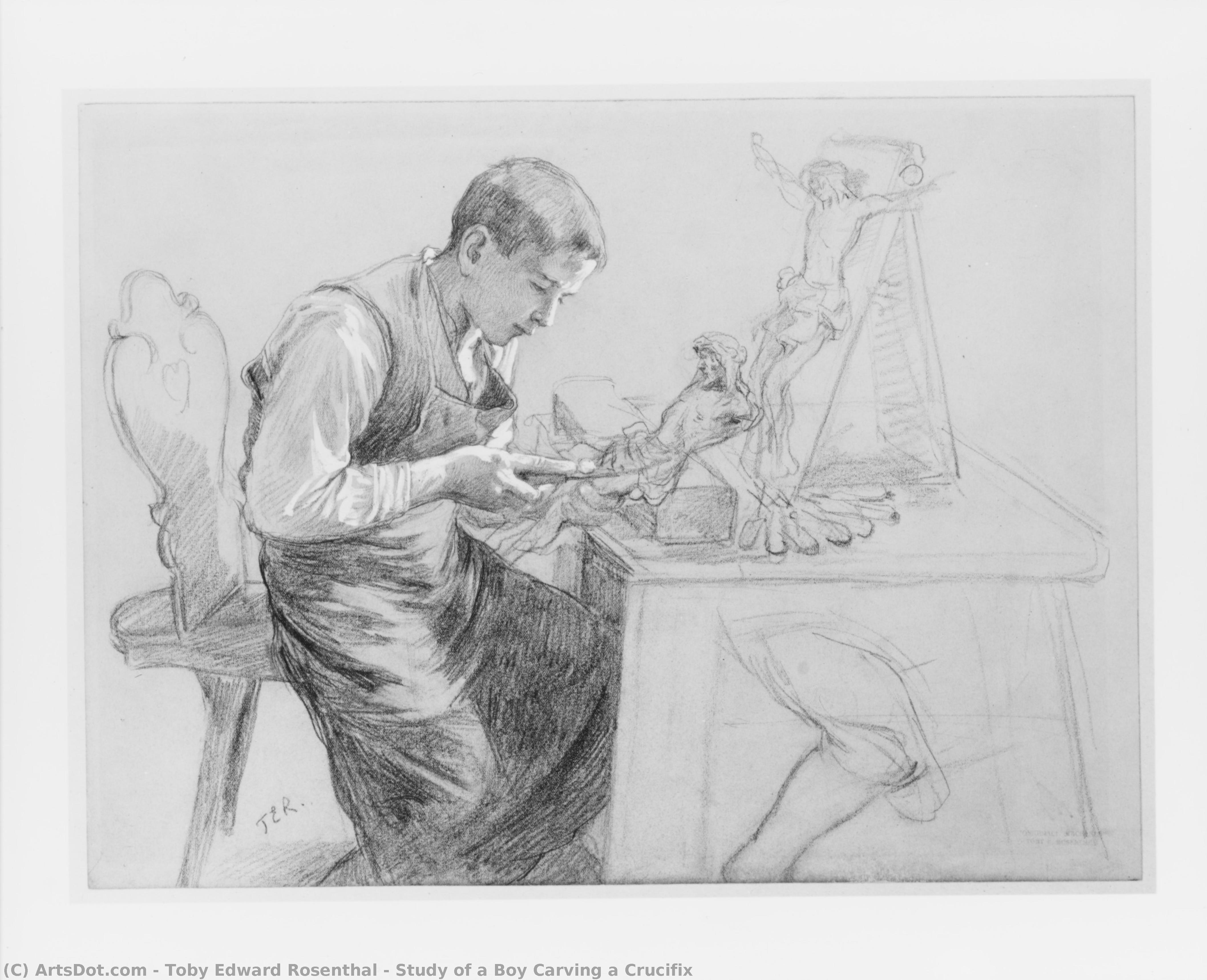
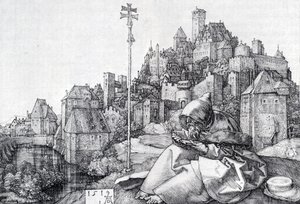
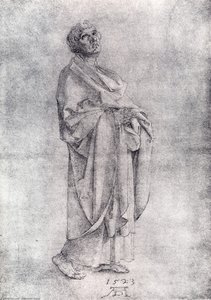
Study of a Boy Carving a Crucifix

 Read More
Purchase a high-resolution, enhanced digital image, far superior to the online preview.
Each file is meticulously prepared by our in-house specialists using advanced tools and expert manual retouching. We ensure every image has exceptional clarity, precise color accuracy, and fine detail.
The final file is delivered via email within 72 hours, optimized for immediate use in professional, editorial, and print environments. This is the same quality trusted by top-tier design studios, publishers, and galleries.
Digital Image
Download a high-resolution file for personal display, printing, and creative projects. ( Buy Print Buy Hand Made Painting)
Included in Every Digital Image Order
Expert Digital Delivery, Guaranteed
When you choose ArtsDot.com, you're not just getting an image - you're receiving a professionally enhanced digital artwork, crafted with precision and backed by a satisfaction guarantee. Here's everything that comes with your order, automatically:

Fast Email Delivery
Your high-resolution digital image file will be emailed to you within 72 hours of ordering - ready for immediate use.

AI-Enhanced Digital File
Your artwork is professionally optimized using advanced AI tools and manual editing, ensuring maximum detail, clarity, and color accuracy.

Free Lifetime Re-Delivery
Accidentally deleted or lost your file? No worries - we'll resend it to you anytime, free of charge.

No Import Fees - Ever
Enjoy your artwork instantly with zero customs, duties, or delivery fees - digital downloads are always tax-free.

Color Accuracy Guarantee
We ensure your digital image reflects the original colors as closely as possible using professional tools and color management.

60-Day Satisfaction Guarantee
If you're not satisfied with your digital image, we'll revise it or refund 100% within 60 days - no questions asked.

100% Money-Back Guarantee
Not satisfied? Get a full refund within 60 days of receiving your digital file - no questions asked.

Bulk Order Discounts
Buy 3 images, save 10% - Buy 5, save 15% - Buy 10+, save 20%. Great for creative projects, galleries, and agencies.
Related Artworks





Artist Biography
A Transatlantic Life: The Story of Tobias Edward Rosenthal
Tobias Edward Rosenthal, known to most as Toby (born March 15, 1848, in Strasbourg, Prussia – died December 23, 1917, in Munich), occupies a fascinating, somewhat paradoxical position in the annals of 19th-century painting. Though he spent the vast majority of his artistic career in Europe, and achieved considerable recognition there, Rosenthal’s early life was deeply rooted in the burgeoning American West—a duality that subtly informed his work, blending European academic technique with an emerging sense of American identity. His story is one of ambition, transatlantic movement, and a persistent negotiation between personal myth and public perception.
Rosenthal's origins are shrouded in a degree of self-created ambiguity. While officially born in Strasbourg, he frequently claimed New Haven, Connecticut as his birthplace, perhaps to enhance his appeal to American audiences. Shortly after his birth, his parents emigrated to the United States, settling in San Francisco in 1858. His father, Jakob, worked as a tailor, and it was quickly apparent that young Toby possessed an intense desire to paint. This passion led to enrollment at a drawing school run by Louis Bacon, a French sculptor, where Rosenthal’s talent attracted the attention of Fortunato Arriola, a Mexican expatriate artist who provided him with invaluable early instruction. Arriola's influence was pivotal; he encouraged Rosenthal’s parents to invest in his artistic education, ultimately paving the way for a journey that would define his life.
The Munich Years: Academic Training and Early Success
In 1865, fueled by Arriola’s advocacy and his family's sacrifices, Rosenthal embarked for Munich, then a vibrant center of artistic training. He enrolled at the Academy of Fine Arts, studying under Alexander Strähuber and Karl Raupp before progressing to master classes with the renowned Karl Theodor von Piloty. This rigorous academic environment instilled in him a mastery of technique—a precise realism, meticulous attention to detail, and a sophisticated understanding of composition. His early works reflect this training, demonstrating a clear command of form and light. A pivotal moment came in 1870 with his painting *Johann Sebastian Bach and His Family at Their Morning Prayers*. The work garnered critical acclaim, earning a medal and acquisition by the State Museum in Leipzig—a significant validation for the young artist.
Rosenthal’s return to San Francisco in 1871 was met with unexpected celebrity. Letters published by his father had cultivated a local following, and he found himself inundated with portrait commissions. However, the constant demands of social life proved stifling, prompting a second move to Munich—a decision that would shape the remainder of his career. It was here, immersed in the European art world, that Rosenthal truly flourished.
Genre Painting and Narrative Themes
Rosenthal’s artistic focus shifted towards genre painting, often imbued with strong narrative elements and psychological depth. He became particularly adept at depicting scenes rich with character studies and emotional resonance. *The Beautiful Elaine* (1874), commissioned by a San Francisco banker but ultimately sold to another collector after a contract dispute, exemplifies this period. The painting, based on Alfred Tennyson’s poem, showcases his ability to capture both beauty and pathos. His most celebrated work, *Trial of the Escaped Nun Constance de Beverley* (1883), inspired by Sir Walter Scott's *Marmion*, further solidified his reputation. This dramatic composition, now housed at the Los Angeles County Museum of Art, is a testament to his skill in portraying complex emotions and historical narratives.
Rosenthal’s paintings are not merely depictions of events; they are explorations of morality, faith, and human vulnerability. He possessed a remarkable ability to imbue his subjects with psychological complexity, inviting viewers to contemplate the inner lives of those portrayed. His work often features strong female figures facing difficult circumstances—a reflection perhaps of the changing social landscape of the late 19th century.
Legacy and Historical Significance
Despite spending most of his life in Germany, Rosenthal maintained connections with America, accepting commissions from patrons across the Atlantic. He married Sophia Ansbacher, a local banker’s daughter, but continued to engage with American artistic circles. His death in Munich in 1917 marked the end of a prolific career that spanned both continents.
Rosenthal's historical significance lies in his ability to bridge European academic traditions with an emerging American sensibility. He was among the first Americans to receive formal training in Munich, and his work reflects this unique blend of influences. While not as widely recognized today as some of his contemporaries, Rosenthal’s paintings offer a compelling glimpse into the artistic currents of the 19th century—a testament to the power of ambition, the complexities of identity, and the enduring allure of narrative art.
- Born: Strasbourg, Germany (March 15, 1848)
- Died: Munich, Germany (December 23, 1917)
- Nationality: German-American
- Style: Genre Painting, Portraiture, Realism
- Key Influences: Fortunato Arriola, Karl Theodor von Piloty
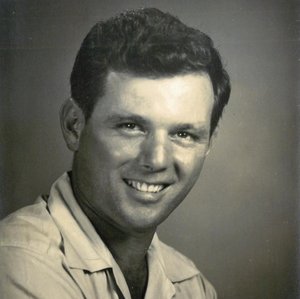
tobias edward rosenthal
1848 - 1917 , Germany
Quick Facts
- Artistic Movement Or Style: Genre and portrait painting
- Artists Who Influenced This Artist:
- Fortunato Arriola
- Alexander Strähuber
- Karl Raupp
- Karl Theodor von Piloty
- Date Of Birth: March 15, 1848
- Date Of Death: December 23, 1917
- Full Name: Tobias Edward Rosenthal
- Nationality: German-American
- Notable Artworks:
- Johann Sebastian Bach...
- The Beautiful Elaine
- Trial of Constance...
- Place Of Birth: Strasbourg, Germany

