 Preview
 Send
Send Share
Share
 Details

 Download
 Similars
 X-Ray
X-Ray Diaporama
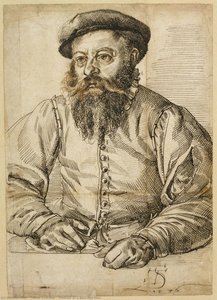
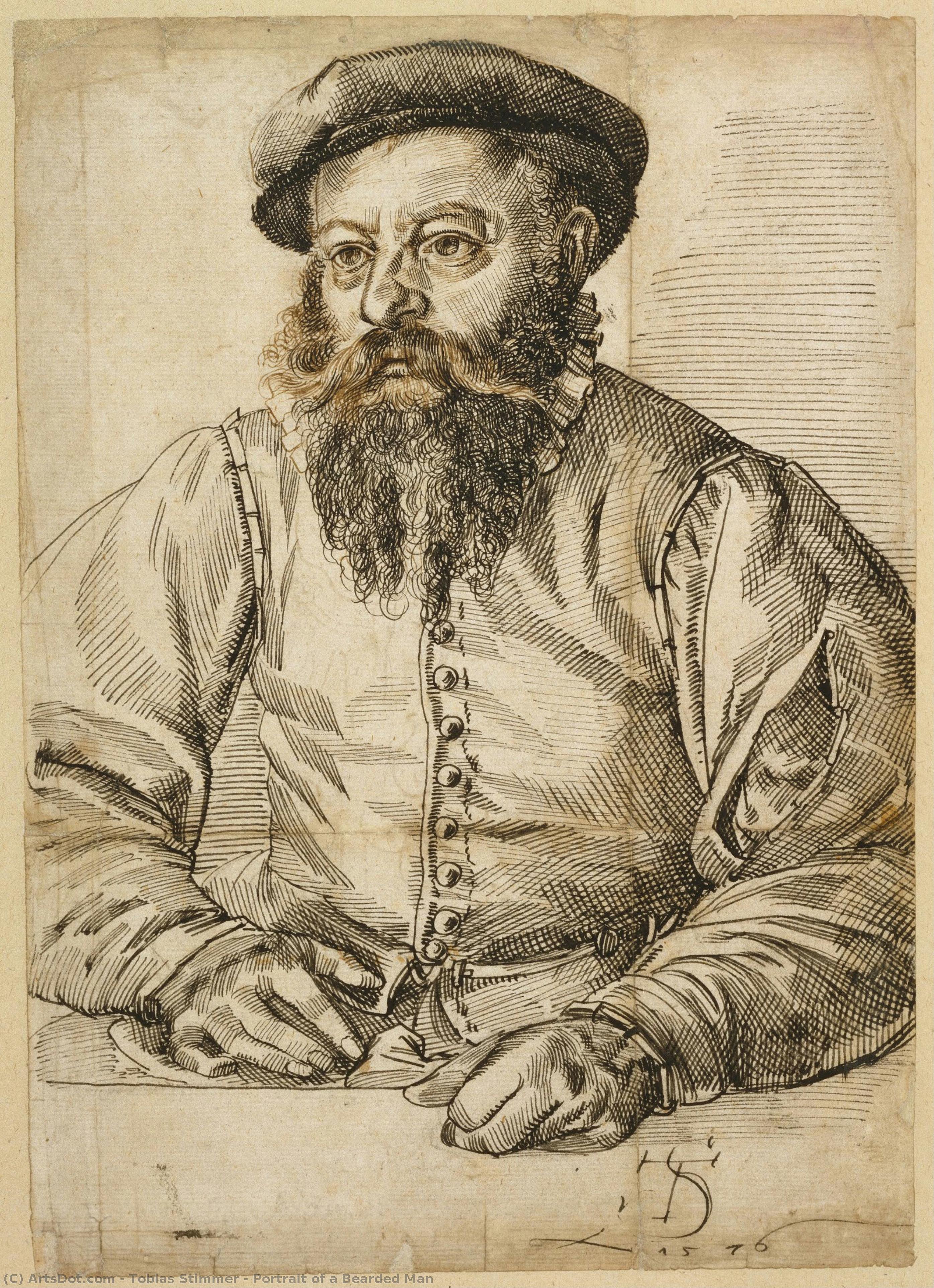
Portrait of a Bearded Man
 Ink On Paper
- Mannerism
 1576
1576 29.0 x 20.0 cm
 J. Paul Getty Museum
 Read More
Hand Made Oil Reproduction
Hand-painted oil on canvas in your size and frame, made to order by our artists. ( Buy Print Buy Image)




P118B $10

P118H $10

P118W $10

P438Z $10

P508JH $12

P508YH $12

P805H $10

P805Z $10

P919BZ $10

P919G $10

P919XJ $10

P959ZH $10

P968JZ $12

W106C $8

W218G $10

W218JH $8

W218Y $10

W307PJ $10

W316G $10

W316PJ $8

W316Y $10

W398PJ $8

W4111J $10

W500HY $15

W500JH $15

W692G $12

W849H $8

W940BG $15

W953PJ $8




Pick from our preset sizes that match the artwork's original proportions.

You may enter your own dimensions to fit a specific frame or space. If your selected size does not match the original image's proportions, we will either crop the artwork or extend the painting with additional hand-painted elements. A digital mockup will be sent for your approval before production begins.
Please note that the on-screen preview does not reflect the actual cropping or extension. Only the mockup will accurately show the final composition.
While custom sizes are available, we recommend selecting a dimension from the predefined list to preserve the original proportions.
After order, ArtsDot.com team will email client for instructions and provide a mockup preview
Worldwide Delivery () in 3/4 weeks instead of standard 5 weeks. (25 August). No compromise on quality.

Free Worldwide Express Shipping

High-Quality Linen Canvas

Full Shipping Insurance

Customs Tax Refund Guarantee

True Color Matching Guarantee

60-Day Return Policy (Defects Only)

100% Money-Back Guarantee

Bulk Discount Offer
 Glass option is only available in size under 110 CM

Portrait of a Bearded Man
Reproduction Medium
Reproduction Size
-


Total Price
$ 263
Artwork Description
A Portrait of Quiet Strength: Tobias Stimmer’s ‘Portrait of a Bearded Man’
Tobias Stimmer's “Portrait of a Bearded Man,” created in 1576, is more than simply a likeness; it’s a carefully constructed meditation on humanity, faith, and the dignity of everyday life. This remarkable drawing, now meticulously reproduced by ArtsDot.com, offers a rare glimpse into the world of a Swiss Renaissance artist working at a pivotal moment of religious and artistic transition. Stimmer, deeply influenced by the meticulous realism of Hans Holbein the Younger yet forging his own distinctive Mannerist style, captures a middle-aged burgher with an arresting directness that transcends time.
The subject himself remains somewhat enigmatic – scholars have yet to definitively identify him – but his attire speaks volumes. The relatively unadorned doublet and ruffled collar, indicative of the period, suggest a man of modest means, a merchant or perhaps a respected tradesman. Crucially, he wears a low bonnet, a fashionable detail reflecting the prevailing practice of shielding oneself from drafts within poorly heated interiors. This seemingly minor element underscores Stimmer’s keen observation of contemporary life and his ability to imbue even the most commonplace details with significance.
The Language of Line: Technique and Craftsmanship
Stimmer's mastery lies in his extraordinary control of line. The drawing begins with a delicate underdrawing in black chalk, establishing the figure’s form with subtle precision. Then comes the intricate process of rendering the face and beard in pen and brown ink, followed by a final wash-over in black ink. This layered approach is what gives the portrait its remarkable depth and sculptural quality. The artist's bold, fractured hatching – a technique he employed to great effect – isn’t merely decorative; it actively shapes the image, creating a palpable sense of volume and texture, particularly evident in the hands.
The interplay between line and white paper is equally vital. Stimmer skillfully utilizes the luminosity of the unpainted surface to enhance the figure's features, drawing attention to the strong lines of his face and the arresting quality of his eyes. These eyes, with their large, dark irises, are undeniably the focal point of the portrait – they convey a sense of quiet contemplation, perhaps even a hint of melancholy, inviting the viewer into the subject’s inner world.
A Window to the Reformation: Context and Symbolism
Created in 1576, “Portrait of a Bearded Man” exists within a period of profound religious upheaval. The Reformation was reshaping Europe's spiritual landscape, influencing artistic expression and prompting artists to grapple with questions of faith, morality, and human identity. Stimmer’s work reflects this intellectual ferment; while not overtly didactic, the portrait speaks to the enduring value of individual dignity and the importance of inner strength – qualities that resonated deeply during a time of social and religious change.
Interestingly, scholars believe this drawing was created as an independent artwork, rather than as part of a larger commission. This suggests Stimmer’s desire to explore his own artistic vision, showcasing his technical skill and expressive power without the constraints of a specific patron or purpose. The lack of known paintings or prints further emphasizes its singular importance within his oeuvre.
Bringing Stimmer's Vision Home: A ArtsDot.com Reproduction
ArtsDot.com is proud to offer a meticulously crafted hand-painted reproduction of “Portrait of a Bearded Man.” Our skilled artisans have painstakingly recreated Stimmer’s masterful technique, capturing the drawing’s nuanced details and emotional resonance with exceptional fidelity. This reproduction allows you to experience this remarkable work of art in stunning detail, bringing its quiet dignity and timeless beauty into your home or office. Available in a range of sizes, our reproductions are perfect for collectors, interior designers, and anyone seeking to connect with the artistic legacy of Tobias Stimmer.
Explore the full collection and discover how you can bring this captivating portrait into your world at ArtsDot.com
Related Artworks




Artist Biography
A Life Etched in Detail: The World of Tobias Stimmer
Tobias Stimmer, born in the bustling Swiss city of Schaffhausen in 1539, emerged as a pivotal figure during a period of profound artistic and religious transformation. While details surrounding his earliest training remain somewhat elusive, it’s clear he quickly established himself as a versatile artist, initially working as both a wall and portrait painter across Switzerland and beyond – from the vibrant streets of Strasbourg to the elegant courts of Baden-Baden. Stimmer's career unfolded against the backdrop of the Reformation, an era that deeply influenced artistic expression and subject matter throughout Europe. He wasn’t merely a recorder of his time; he was a sensitive interpreter of its shifting beliefs and values, translating them into images imbued with both precision and spiritual depth.The Legacy of Holbein and the Flourishing of Mannerism
Stimmer's artistic lineage is readily apparent in his profound debt to Hans Holbein the Younger. The meticulous realism, the psychological insight, and the sheer technical mastery that characterized Holbein’s work served as a foundational influence on Stimmer’s early development. However, Stimmer didn’t simply imitate his predecessor; he absorbed these lessons and forged his own distinctive path within the evolving aesthetic of Mannerism. This is evident in his tendency towards elongated figures, elegant compositions marked by dynamic movement, and an almost obsessive attention to intricate detail. His work embodies a sophisticated balance between Renaissance ideals and the emerging stylistic tendencies that would define art for decades to come. He wasn’t afraid to experiment with form and composition, pushing boundaries while maintaining a remarkable level of technical skill.Masterworks and Enduring Contributions
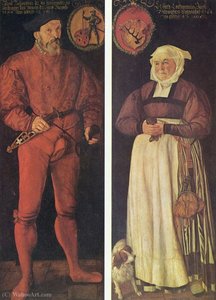
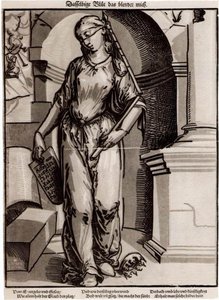
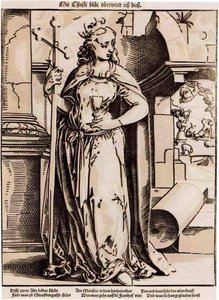
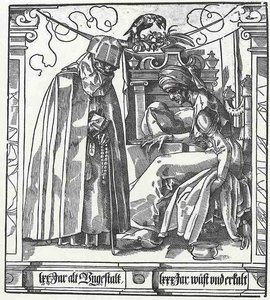
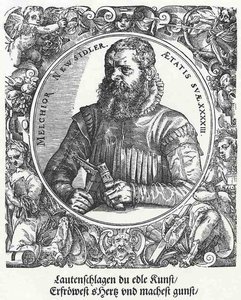
Stimmer's artistic achievements are diverse and impactful. Perhaps his most celebrated contribution lies in the exquisite paintings adorning the Strasbourg astronomical clock – a testament to his ability to seamlessly blend portraiture with allegorical representation. These intricate depictions, brimming with symbolic meaning, showcase not only his technical prowess but also his deep understanding of humanist thought and scientific inquiry. Beyond this monumental project, Stimmer was an exceptionally prolific creator of designs intended for woodcuts. These drawings, often illustrating biblical scenes or exploring complex allegories, were widely disseminated thanks to prominent printers like Sigmund Feyerabend in Frankfurt am Main and Bernhart Jobin in Strasbourg, significantly expanding his reach and influence across Europe. Even today, remnants of his wall paintings can be glimpsed within the “House zum Ritter” in Schaffhausen, offering a tantalizing glimpse into his early decorative work. His portraits, such as those of Jacob Schwytzer and his wife Elsbeth Lochmann, stand as compelling examples of his ability to capture not only physical likeness but also the social standing and inner character of his sitters.Themes, Symbolism, and a Lasting Impact
Throughout his career, Stimmer consistently explored themes of religion, morality, and the human condition. His illustrations for woodcuts frequently drew inspiration from biblical narratives or allegorical representations of virtues and vices – reflecting the spiritual concerns of his time. His artistic style is immediately recognizable through several key characteristics: a precision and detail that borders on meticulousness; an elegant composition emphasizing balance and clarity; the Mannerist elongation of figures, lending them a sense of grace and dynamism; and a pervasive use of symbolism, enriching his works with layers of meaning. Tobias Stimmer’s legacy extends beyond his individual artworks. He provided valuable insight into the artistic and cultural landscape of 16th-century Switzerland and beyond, playing a crucial role in disseminating images and ideas during an era of religious and intellectual upheaval. He bridged the gap between the High Renaissance ideals championed by Holbein and the emerging Mannerist aesthetic, solidifying his position as a skilled painter, illustrator, and a key figure in Swiss art history. He passed away in Strasbourg in 1584, leaving behind a body of work that continues to captivate and inspire scholars and art enthusiasts alike. While perhaps not as widely celebrated as some of his contemporaries, Stimmer’s contributions remain significant, particularly for those interested in the development of Mannerism and the rich history of Swiss painting.
Tobias Stimmer
1539 - 1584 , Switzerland
Quick Facts
- Artistic Movement Or Style: Mannerism
- Artists Who Influenced This Artist: ['Hans Holbein the Younger']
- Date Of Birth: 1539
- Date Of Death: 1584
- Full Name: Tobias Stimmer
- Nationality: Swiss
- Notable Artworks:
- Strasbourg Astronomical Clock
- The Musicians, Violin Player
- Secular Hierarchy, Scholar
- House zum Ritter (remnants)
- Place Of Birth: Schaffhausen, Switzerland
Related Articles

Dark Masterpieces: 10 Iconic Paintings Dominated by Black Tones |
Explore 10 iconic paintings dominated by black tones, from Rembrandt’s chiaroscuro to Goya's dark expressions. Discover the stories behind these masterpieces & find museum-quality art reproductions for your home at .

The Nuances of Graphite: Exploring Emotional Depth & Technical Mastery in Pencil Drawing
Explore the captivating world of graphite drawing! Discover its rich history, master essential techniques like chiaroscuro, and learn how artists evoke emotion through this timeless medium. Expert insights for art enthusiasts.
Lamp Black & Masterpieces: 10 Paintings That Define Shadow & Light |
Delve into the captivating world of 'Lamp Black' tones with 10 iconic paintings by masters like Rembrandt & Caravaggio. Explore Baroque chiaroscuro, dramatic lighting & shadow in art history. Find museum-quality reproductions at
Mars Black Masterpieces: 10 Iconic Paintings & Timeless Art Decor Ideas
Delve into the power of 'Mars Black' with 10 iconic paintings by masters like Rembrandt & Caravaggio. Explore dramatic chiaroscuro, gothic art, and timeless beauty. Find museum-quality reproductions & elevate your home decor on .

Ivory Black Masters: 10 Paintings That Define Dramatic Art |
Delve into the power of 'Ivory Black' with 10 iconic paintings by masters like Rembrandt & Caravaggio. Explore dramatic chiaroscuro, gothic moods & timeless art history. Find museum-quality reproductions and elevate your home decor at