 Preview
 Send
Send Share
Share
 Details

 Download
 Similars
 X-Ray
X-Ray Diaporama
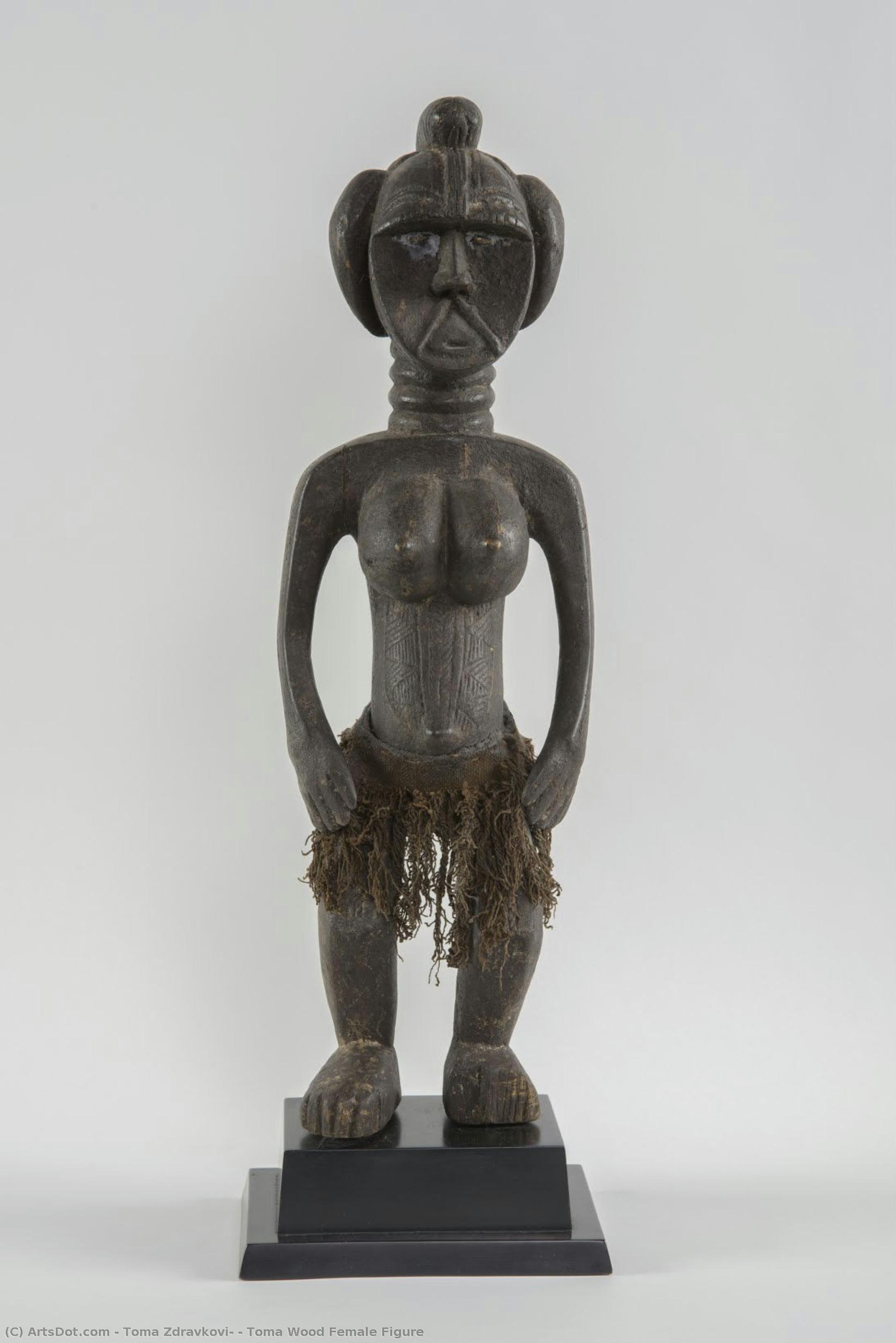
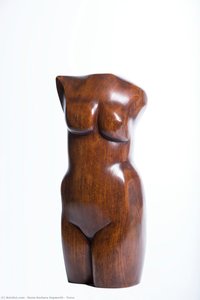
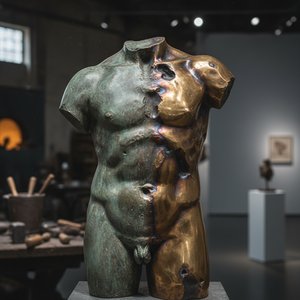
Toma Wood Female Figure


 Read More
Giclée / Art Print
Museum-quality giclée or canvas print with fast production and flexible finish options. ( Buy Hand Made Painting Buy Image)




































Pick from our preset sizes that match the artwork's original proportions.

You may enter your own dimensions to fit a specific frame or space. If your selected size does not match the original image's proportions, we will either crop the artwork or extend the image with a mirrored or solid-fill edge. A digital mockup will be sent for your approval before production begins.
Please note that the on-screen preview does not reflect the actual cropping or extension. Only the mockup will accurately show the final composition.
While custom sizes are available, we recommend selecting a dimension from the predefined list to preserve the original proportions.
Worldwide Delivery () in 2 weeks instead of standard 4/5 weeks. (28 August)

Free Worldwide Express Shipping

High-Quality Linen Canvas

Full Shipping Insurance

Customs Tax Refund Guarantee

True Color Matching Guarantee

60-Day Return Policy (Defects Only)

100% Money-Back Guarantee

Bulk Discount Offer
 Glass option is only available in size under 110 CM

Toma Wood Female Figure
Giclée / Art Print
Reproduction Size
-


Total Price
$ 63
Related Artworks

Artist Biography
Tomislav “Toma” Zdravković: A Voice of Balkan Sorrow and Resilience
Tomislav “Toma” Zdravković, born in Aleksinac, Serbia, on November 20, 1938, and tragically passing away on September 30, 1991, remains a towering figure in Serbian folk music. More than just a singer, he was a poet of the heart, a chronicler of heartbreak and longing, and a master of capturing the melancholic spirit of the Balkans within his deeply resonant voice. His music, rooted in traditional sounds yet imbued with a distinctly modern sensibility, continues to move listeners decades after its creation, solidifying his legacy as one of the most important voices in Yugoslavian musical history. Zdravković’s life was marked by both immense talent and profound personal hardship, experiences that undeniably shaped the raw emotion woven into every note he sang.Early Life and Musical Beginnings
Zdravković's childhood was steeped in poverty, a reality common to many families in his rural village of Pečenjevce near Leskovac. His family, comprised of his father Dušan and mother Kosara, struggled financially, and young Tomislav spent much of his youth working alongside them. This early exposure to hardship undoubtedly contributed to the poignant themes that would later dominate his songwriting. He began singing in local kafanas – traditional Serbian taverns – honing his craft amidst the smoky atmosphere and lively conversations. These early performances provided invaluable experience and a direct connection with his audience, shaping his style and understanding of the music he was destined to create. It’s said that his voice, described as warm and possessing a unique baritone quality reminiscent of Charles Aznavour, quickly distinguished him from other performers.The Rise of a Bohemian Icon
Zdravković's career truly took off in 1969 with his performance at the Ilidža Music Festival in Bosnia and Herzegovina. His song “Odlazi, Odlazi” (Go Away, Go Away) earned him second place, catapulting him to national fame. However, it was his collaboration with Silvana Armenulić on the song "Šta će mi život" ("What Will Life Do For Me?") that cemented his status as a superstar. This duet, released in 1969, became an instant classic, capturing the hearts of millions and establishing Zdravković’s signature style – a blend of traditional Serbian folk melodies with elements of chansons, often exploring themes of lost love and existential despair. His music wasn't simply entertainment; it was a reflection of the social realities and emotional landscapes of the time. He embraced the bohemian lifestyle, further solidifying his image as an artist deeply connected to the soul of the Balkans.Musical Style and Themes
Zdravković’s music is characterized by its intensely personal lyrics, often dealing with themes of unrequited love, loss, loneliness, and the bittersweet realities of life. He wasn't afraid to confront difficult emotions, and his songs are filled with a raw honesty that resonated deeply with audiences. His use of traditional instruments – the accordion, violin, and tambura – created a rich tapestry of sound, while his distinctive vocal style conveyed both vulnerability and strength. Songs like “Prokleta nedelja” (“Damned Sunday”), “Dotak’o sam dno života” (“I Touched the Bottom of Life”), and "Ostala je samo uspomena" ("Only a Memory Remained") are considered cornerstones of his repertoire, each telling a story of heartbreak and resilience. His music frequently evokes images of smoky kafanas, lonely roads, and the enduring spirit of the Balkan people.Later Years and Legacy
Despite battling prostate cancer for 17 years, Zdravković returned to the stage in 1982, delivering a triumphant concert in Belgrade that showcased his timeless appeal. He continued to record and perform until his death in 1991, leaving behind a vast catalog of music that continues to be celebrated throughout the Balkans. His influence can be heard in countless contemporary artists, and his songs remain deeply ingrained in the cultural fabric of Serbia and beyond. Tomislav Zdravković’s legacy extends far beyond mere musical talent; he was a poet of the people, a voice for the marginalized, and an enduring symbol of resilience in the face of adversity. His music serves as a poignant reminder of the beauty and sorrow inherent in the human experience, forever echoing through the valleys and mountains of his beloved homeland.Notable Works
* **Prokleta nedelja (Damned Sunday)** – Perhaps his most famous song, exploring themes of despair and loneliness. * **Dotak’o sam dno života (I Touched the Bottom of Life)** – A deeply moving ballad about loss and regret. * **Ostala je samo uspomena (Only a Memory Remained)** – A haunting melody reflecting on the enduring pain of lost love. * **Pustite me da živim svoj život (Let Me Live My Own Life)** - An anthem for freedom and self-determination. * **Dva smo sveta različita (We're Two Different Worlds)** – A poignant exploration of unrequited love and separation.- Instrumental Style: Heavily reliant on accordion, violin, and traditional Balkan instrumentation.
- Lyrical Themes: Predominantly focused on themes of lost love, heartbreak, loneliness, and the hardships of life in the Balkans.
- Vocal Delivery: Characterized by a warm, expressive baritone voice with a distinctive emotional depth.
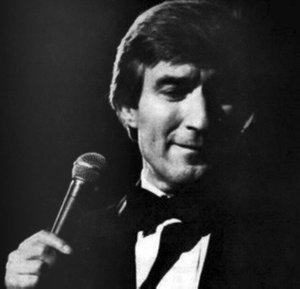
toma zdravković
1938 - 1981 , Serbia
Quick Facts
- Artistic Movement Or Style: Pop-folk, Bohemian
- Artists Who Influenced This Artist: ['Charles Aznavour],\n "Artists or movements influenced by this artist": ["Balkan music"]\n}']
- Date Of Birth: November 20, 1938
- Date Of Death: September 30, 1991
- Full Name: Tomislav Zdravković”
- Nationality: Serbian
- Notable Artworks:
- Prokleta nedelja
- Dotakao sam dno života
- Ostala je samo uspomena
- Pustite me da živim svoj život
- Place Of Birth: Aleksinac, Serbia
Related Articles

Bronze Sculptures That Defined Art History | ArtsDot
Journey through art history with our Top 10 bronze sculptures! Explore masterpieces by Rodin, Michelangelo & more. Discover stories behind iconic statues and find museum-quality reproductions for your home decor at ArtsDot.com.

The Enduring Form: Exploring Themes & Techniques in Sculpture Across Historical Periods
Explore the rich history of sculpture from ancient masterpieces to contemporary innovations. Discover key techniques, influential artists & investment potential for discerning art collectors.

Bronze Age to Modern Masters: 10 Sculptures That Redefined Art | ArtsDot
Journey through art history with 10 legendary bronze sculptures – from Michelangelo's David to Rodin’s Thinker. Explore the stories, techniques & timeless beauty of these masterpieces. Find museum-quality reproductions & elevate your home decor on ArtsDot.com.

The Enduring Form: Sculpture Across History, Technique & Emotional Resonance
Explore the rich history of sculpture with ArtsDot. Discover key techniques, influential artists & investment potential for discerning collectors. Expert insights into valuing and collecting timeless masterpieces.
The Enduring Legacy of Bronze Sculpture: History, Techniques & Contemporary Interpretations
Explore the rich history & enduring appeal of bronze sculpture. Learn about casting techniques, iconic artists, collecting tips, & contemporary interpretations. Expert insights for discerning art collectors.