 Preview
 Send
Send Share
Share
 Details

 Download
 Similars
 X-Ray
X-Ray Diaporama
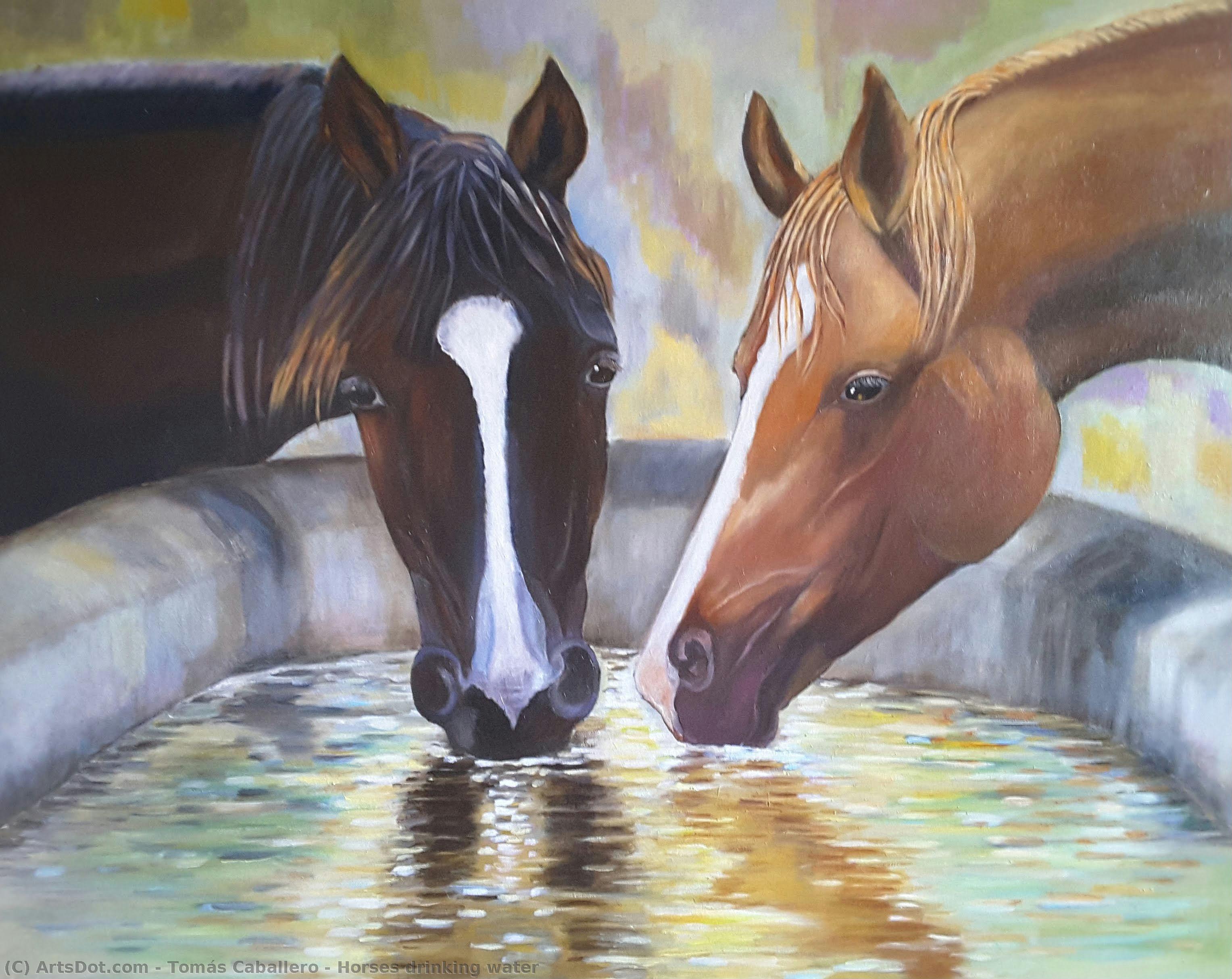
Horses drinking water


 Read More
Hand Made Oil Reproduction
Hand-painted oil on canvas in your size and frame, made to order by our artists. ( Buy Print Buy Image)




































Pick from our preset sizes that match the artwork's original proportions.

You may enter your own dimensions to fit a specific frame or space. If your selected size does not match the original image's proportions, we will either crop the artwork or extend the painting with additional hand-painted elements. A digital mockup will be sent for your approval before production begins.
Please note that the on-screen preview does not reflect the actual cropping or extension. Only the mockup will accurately show the final composition.
While custom sizes are available, we recommend selecting a dimension from the predefined list to preserve the original proportions.
After order, ArtsDot.com team will email client for instructions and provide a mockup preview
Worldwide Delivery () in 3/4 weeks instead of standard 5 weeks. (6 September). No compromise on quality.

Free Worldwide Express Shipping

High-Quality Linen Canvas

Full Shipping Insurance

Customs Tax Refund Guarantee

True Color Matching Guarantee

100-Day Return Policy (Defects Only)

100% Money-Back Guarantee

Bulk Discount Offer
 Glass option is only available in size under 110 CM

Horses drinking water
Reproduction Medium
Reproduction Size
-


Total Price
$ 263
Related Artworks









Artist Biography
Randall Vernon Davey: A Pioneer of American Landscape and Equestrian Art
Randall Vernon Davey, born in East Orange, New Jersey, in 1887, emerged from a modest upbringing to become a significant figure in early 20th-century American art. His journey was marked by a deliberate rejection of conventional paths – initially pursuing architecture at Cornell University before ultimately embracing the vibrant world of painting – and shaped by influential mentors like Robert Henri and Charles W. Hawthorne. Davey’s transformation wasn't merely a career shift; it represented a profound commitment to artistic expression, fueled by a desire to capture the essence of American life through evocative landscapes, dynamic equestrian scenes, and intimate still lifes. His story is one of quiet determination and a dedication to his craft that ultimately led him to establish himself as a respected artist in Santa Fe, New Mexico.Early Influences and Artistic Training
Davey’s artistic education began with Robert Henri at Cornell University, where he encountered principles of direct observation and the celebration of everyday subjects – a philosophy deeply rooted in the Ashcan School movement. However, it was his subsequent studies under Charles W. Hawthorne in Boston that truly solidified his approach to painting. Hawthorne's emphasis on capturing light and atmosphere, combined with a focus on depicting the American landscape, profoundly influenced Davey’s style. He absorbed Hawthorne’s techniques of layering color and creating a sense of depth, developing a distinctive visual language characterized by loose brushwork and a vibrant palette. This early training provided him with the foundational skills necessary to explore his diverse subject matter – from the spirited energy of horse racing and polo to the serene beauty of the New Mexico landscape.A Life Dedicated to Art: Santa Fe and Equestrian Themes
In 1917, disillusioned with American involvement in World War I, Davey sought refuge in Cuba, avoiding military service. This period of introspection ultimately led him to a pivotal decision: to permanently settle in Santa Fe, New Mexico. He purchased an abandoned mill and transformed it into his studio, establishing a new center for artistic expression within the burgeoning community. It was here that Davey truly found his voice, dedicating himself primarily to painting equestrian scenes – a subject he passionately pursued, reflecting his own love of polo. His depictions weren’t merely representations of horses in motion; they were imbued with a sense of drama, energy, and the inherent beauty of these magnificent animals. He meticulously studied their anatomy, movement, and interaction with their riders, capturing not just their physical form but also their spirit and character.Style and Technique: A Blend of Impressionism and Regionalism
Davey’s artistic style can be characterized as a compelling synthesis of Impressionistic techniques and elements of Regionalist art. He embraced the Impressionists' focus on capturing fleeting moments of light and color, utilizing loose brushstrokes and vibrant hues to convey atmosphere and emotion. Simultaneously, he incorporated regionalist sensibilities by depicting familiar American subjects – horses, landscapes, and the people associated with them – with a keen eye for detail and an appreciation for the unique character of the Southwest. His use of color was particularly noteworthy; he favored bold, saturated tones that reflected the intensity of the New Mexico sun and the rich hues of the surrounding landscape. His compositions were often dynamic and asymmetrical, creating a sense of movement and immediacy.Legacy and Historical Significance
Randall Vernon Davey’s contribution to American art is often understated but nonetheless significant. He was a key figure in the development of equestrian painting as a distinct genre, and his depictions of polo scenes offer valuable insights into the social and cultural life of the early 20th century Southwest. His dedication to capturing the spirit of the American West – both its rugged beauty and its vibrant community – cemented his place as an important chronicler of a rapidly changing nation. Despite a tragically short life, cut short by a car accident in California in 1964 at the age of 77, Davey’s legacy endures through his paintings, which continue to be admired for their technical skill, emotional resonance, and authentic portrayal of American life. His work stands as a testament to the power of artistic vision and the enduring appeal of capturing the beauty and spirit of the land.
tomás caballero
1964 - 1998 , Spain
Quick Facts
- Artistic Movement Or Style: Still life, landscapes
- Artists Or Movements Influenced By This Artist:
- Ashcan School
- Taos Society
- Artists Who Influenced This Artist:
- Robert Henri
- Charles W. Hawthorne
- Date Of Birth: 1887-09-26
- Date Of Death: 1964-11-23
- Full Name: Randall Vernon Davey
- Nationality: American
- Notable Artworks:
- Horse Racing Scenes
- Polo scenes
- Nudes
- Place Of Birth: East Orange, NJ