 Preview
 Send
Send Share
Share
 Details

 Download
 Similars
 X-Ray
X-Ray Diaporama
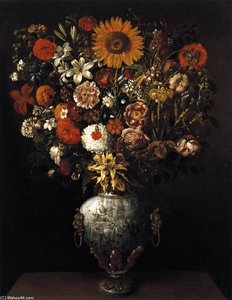
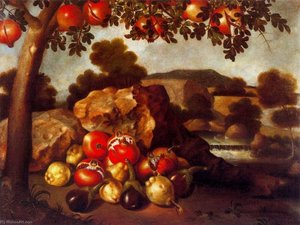
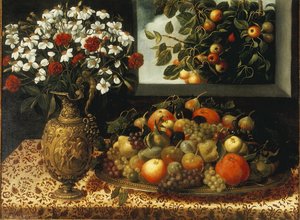
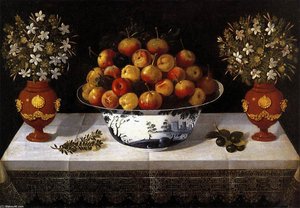
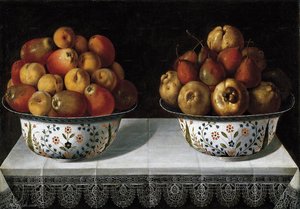
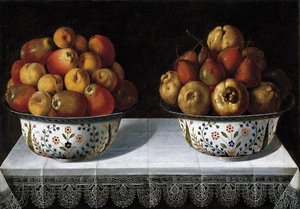
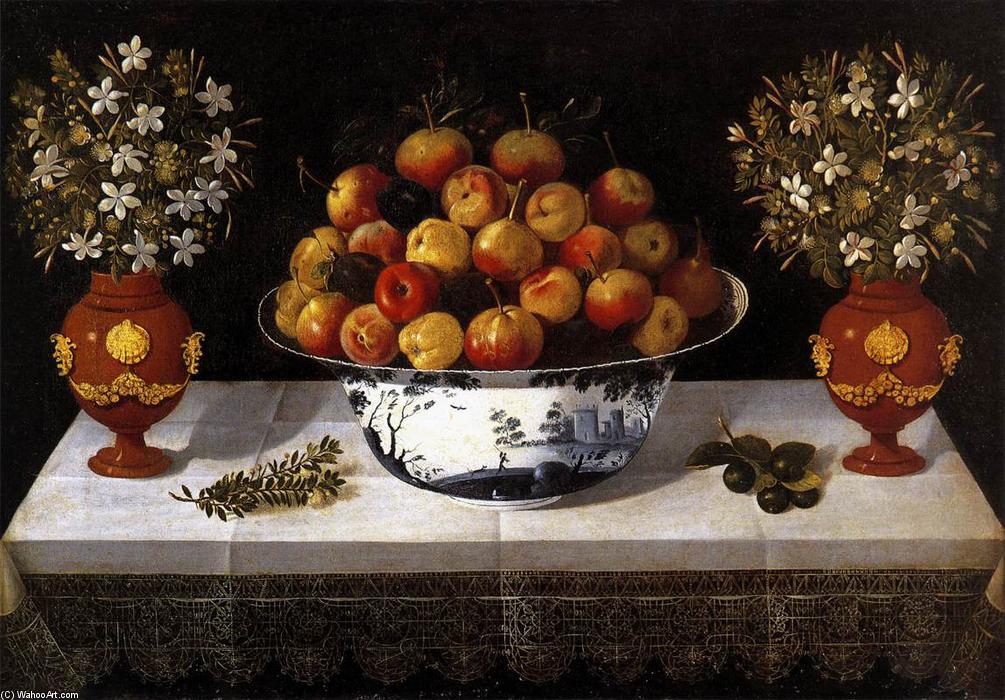
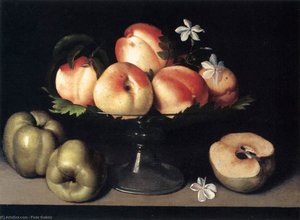
Still-Life with Fruit and Flowers
 1642
1642 67.0 x 96.0 cm
 Read More
Hand Made Oil Reproduction
Hand-painted oil on canvas in your size and frame, made to order by our artists. ( Buy Print Buy Image)




































Pick from our preset sizes that match the artwork's original proportions.

You may enter your own dimensions to fit a specific frame or space. If your selected size does not match the original image's proportions, we will either crop the artwork or extend the painting with additional hand-painted elements. A digital mockup will be sent for your approval before production begins.
Please note that the on-screen preview does not reflect the actual cropping or extension. Only the mockup will accurately show the final composition.
While custom sizes are available, we recommend selecting a dimension from the predefined list to preserve the original proportions.
After order, ArtsDot.com team will email client for instructions and provide a mockup preview
Worldwide Delivery () in 3/4 weeks instead of standard 5 weeks. (16 August). No compromise on quality.

Free Worldwide Express Shipping

High-Quality Linen Canvas

Full Shipping Insurance

Customs Tax Refund Guarantee

True Color Matching Guarantee

60-Day Return Policy (Defects Only)

100% Money-Back Guarantee

Bulk Discount Offer
 Glass option is only available in size under 110 CM

Still-Life with Fruit and Flowers
Reproduction Medium
Reproduction Size
-


Total Price
$ 263
Related Artworks
Artist Biography
A Renaissance of the Pantry: The Life and Art of Tomás Hiepes
Tomás de Yepes, more commonly known as Tomás Hiepes or Thomas de Yepes, stands as a pivotal figure in the late 17th-century Spanish art scene. Born around 1595 in Valencia, he emerged from a region already rich with artistic tradition, yet carved out a unique and enduring legacy through his masterful depictions of still life – what we now recognize as *bodegón*. His work wasn’t merely decorative; it was a profound exploration of light, texture, and the everyday objects that defined Valencian life, ultimately establishing him as one of the most significant artists of the Spanish Baroque.
Early life details surrounding Hiepes remain somewhat elusive. He enrolled in the Colegio de Pintores de Valencia in 1616, a crucial step towards his artistic development. His professional career began to take shape by 1630, when he secured commercial agreements with merchants like Medina del Campo, showcasing his ability to sell and market his paintings effectively. A significant event in his early career involved a legal dispute with his sister, Vicenta Eres, who sought repayment for debts owed by her brother – a matter resolved through the delivery of several religious works. His marriage to Ana Eres further solidified his position within a prosperous Valencian family, one that possessed considerable property and influence.
The Language of Still Life: Style and Technique
Hiepes’s distinctive style is immediately recognizable. He eschewed the grand narratives favored by many of his contemporaries, instead focusing on intimate scenes populated with humble objects – fruit, flowers, bread, earthenware, and domestic utensils. These weren't simply arrangements; they were carefully constructed compositions imbued with a deep understanding of light and shadow. His use of *chiaroscuro*, the dramatic contrast between light and dark, is particularly striking, lending a theatrical quality to his paintings. He frequently employed impasto – applying paint thickly to create texture and visual interest – further enhancing the tactile nature of his works.
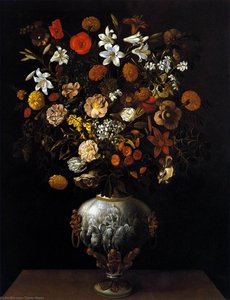
A key element of Hiepes’s technique was his meticulous attention to detail. He rendered each object with astonishing precision, capturing not just its form but also its surface qualities—the sheen of polished fruit, the delicate veins of a flower petal, the rough texture of earthenware. His color palette was rich and vibrant, often employing warm hues that evoked the light-drenched landscapes of Valencia. Notably, Hiepes’s flower paintings stand apart from those of his peers, characterized by their simplified forms and symmetrical arrangements – a deliberate departure from the more elaborate floral displays common in other artistic circles.
Floral Obsession: A Unique Artistic Trajectory
Perhaps the most defining aspect of Hiepes’s oeuvre is his profound fascination with flowers. He didn't simply paint them; he studied them, dissecting their forms and meticulously recreating their beauty on canvas. His flower vases are particularly renowned for their elegance and restraint, often featuring a single bloom or a small cluster arranged within an ornate vessel. This focus wasn’t merely aesthetic; it reflected a deep appreciation for the natural world and a keen observation of its intricacies.
Interestingly, Hiepes cultivated his own flower garden, providing himself with a constant source of inspiration. He meticulously documented the varieties he grew, translating their beauty onto canvas. This intimate connection between artist and subject is evident in the subtle nuances of color and form that characterize his floral paintings. His work represents a departure from the prevailing trends of the time, prioritizing quiet contemplation and understated elegance over grand displays of wealth or power.
Legacy and Influence
Despite facing periods of relative obscurity during his lifetime, Tomás Hiepes’s legacy has been steadily re-evaluated in recent decades. His paintings are now recognized as masterpieces of the Spanish Baroque, prized for their technical skill, emotional depth, and unique perspective on everyday life. The Museo del Prado in Madrid houses the most extensive collection of his works, offering visitors a comprehensive overview of his artistic development. Hiepes’s influence can be seen in subsequent generations of still-life painters, who drew inspiration from his masterful use of light, color, and composition.
Today, Tomás Hiepes is celebrated as a pivotal figure in Valencian art history – an artist who transformed the humble *bodegón* into a vehicle for profound artistic expression. His paintings continue to captivate viewers with their beauty, subtlety, and enduring appeal, reminding us of the power of art to illuminate the ordinary moments of life.
tomás hiepes
1595 - 1674
Quick Facts
- Artistic Movement Or Style: Baroque
- Artists Or Movements Influenced By This Artist: ['Spanish Baroque Painting']
- Artists Who Influenced This Artist: ['Francisco Pérez Sierra']
- Date Of Birth: 1595 or 1600
- Date Of Death: 1674
- Full Name: Tomás de Yepes
- Nationality: Spanish
- Notable Artworks:
- Still Life with Guitar
- Flower Vase
- Fruit Still Life
- Place Of Birth: Valencia, Spain