 Preview
 Send
Send Share
Share
 Details

 Download
 Similars
 X-Ray
X-Ray Diaporama
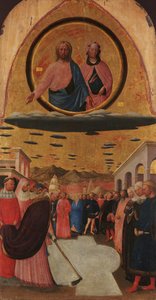
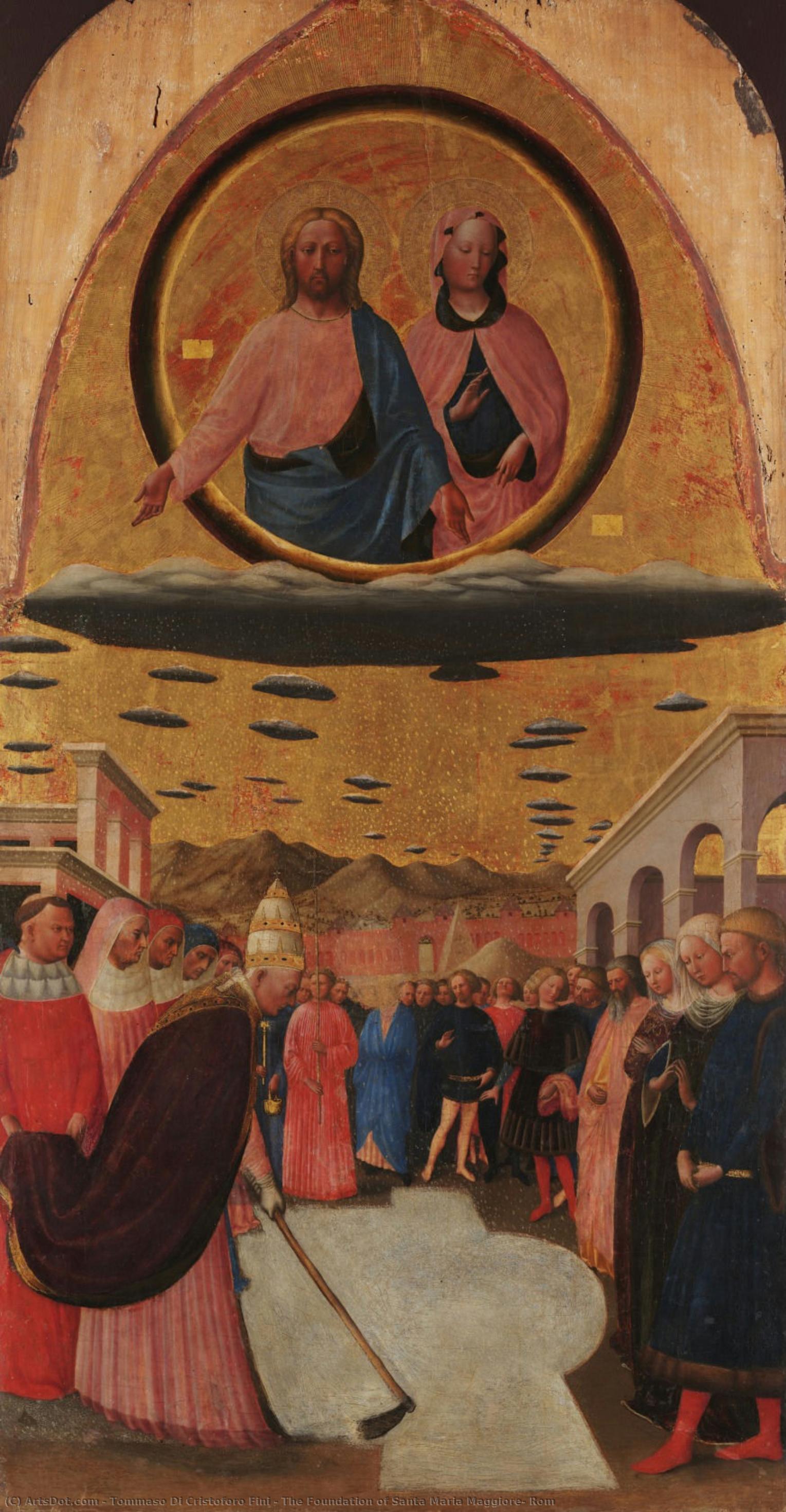
The Foundation of Santa Maria Maggiore, Rom


 Read More
Giclée / Art Print
Museum-quality giclée or canvas print with fast production and flexible finish options. ( Buy Hand Made Painting Buy Image)




P118B $10

P118H $10

P118W $10

P438Z $10

P508JH $12

P508YH $12

P805H $10

P805Z $10

P919BZ $10

P919G $10

P919XJ $10

P959ZH $10

P968JZ $12

W106C $8

W218G $10

W218JH $8

W218Y $10

W307PJ $10

W316G $10

W316PJ $8

W316Y $10

W398PJ $8

W4111J $10

W500HY $15

W500JH $15

W692G $12

W849H $8

W940BG $15

W953PJ $8




Pick from our preset sizes that match the artwork's original proportions.

You may enter your own dimensions to fit a specific frame or space. If your selected size does not match the original image's proportions, we will either crop the artwork or extend the image with a mirrored or solid-fill edge. A digital mockup will be sent for your approval before production begins.
Please note that the on-screen preview does not reflect the actual cropping or extension. Only the mockup will accurately show the final composition.
While custom sizes are available, we recommend selecting a dimension from the predefined list to preserve the original proportions.
Worldwide Delivery () in 2 weeks instead of standard 4/5 weeks. (1 September)

Free Worldwide Express Shipping

High-Quality Linen Canvas

Full Shipping Insurance

Customs Tax Refund Guarantee

True Color Matching Guarantee

60-Day Return Policy (Defects Only)

100% Money-Back Guarantee

Bulk Discount Offer
 Glass option is only available in size under 110 CM

The Foundation of Santa Maria Maggiore, Rom
Giclée / Art Print
Reproduction Size
-


Total Price
$ 63
A Divine Blueprint: The Sacred Vision of Masolino
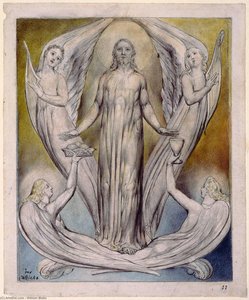
In the heart of the early Italian Renaissance, a period defined by the breathtaking transition from Gothic elegance to humanistic naturalism, Tommaso di Cristoforo Fini—better known as Masolino da Panicale—captured a moment of profound spiritual architecture. His 1423 masterpiece, The Foundation of Santa Maria Maggiore, Rome, serves as more than just a depiction of a religious ceremony; it is a window into the divine intentions behind one of Christendom's most significant basilicas. The painting presents a celestial tableau where the earthly and the divine converge, centered around the commanding presence of Jesus Christ. Flanked by ethereal angels who tenderly support a sacred shield or cross above his head, the scene vibrates with a sense of holy purpose, inviting the viewer to witness the very moment a spiritual legacy is etched into the stone of history.
The composition is a masterclass in Renaissance storytelling, blending the solemnity of a liturgical rite with the burgeoning interest in spatial depth. Masolino utilizes a delicate chromaticism and refined detail that suggest his deep-rooted training in the Florentine tradition. As the eye wanders through the gathering, it encounters a diverse assembly of figures—some kneeling in humble adoration, others standing in quiet contemplation—all gathered under the watchful gaze of the heavens. The backdrop, featuring the architectural elements of a burgeoning structure and the subtle presence of a clock, anchors this miraculous event within a tangible reality, suggesting that while the foundation is divine, its manifestation is an unfolding journey through time.
Symbolism and the Art of Devotion
Every brushstroke in this work serves to reinforce the themes of stability, faith, and the enduring nature of the Church. The central positioning of Christ acts as the spiritual cornerstone, mirroring the literal foundation of the basilica being celebrated. The angels, acting as celestial architects, bridge the gap between the mortal congregation and the divine will, their graceful movements lending a rhythmic, lyrical quality to the composition. For the collector or the lover of sacred art, the painting offers a profound meditation on the concept of "foundation"—not merely in terms of masonry and mortar, but as the establishment of belief systems that withstand the centuries.
The interplay of light and shadow within the scene evokes an emotional resonance that is both peaceful and awe-inspiring. There is a palpable sense of stillness, a sacred hush that falls over the crowd as they participate in this foundational moment. This emotional depth makes the piece an extraordinary choice for those looking to introduce a sense of tranquility and historical weight into a curated space. Whether placed in a grand library or a contemplative study, a high-quality reproduction of this work brings with it the prestige of the Umbrian landscape and the sophisticated grace of the early Quattrocento.
An Eternal Legacy for the Modern Collector
For interior designers and connoisseurs of fine art, The Foundation of Santa Maria Maggiore represents an opportunity to possess a fragment of the Renaissance spirit. The painting’s ability to harmonize intricate, delicate details with a grand, sweeping narrative allows it to serve as a sophisticated focal point in any high-end decor scheme. It is a piece that demands a second look, rewarding the observer with new discoveries of texture, expression, and historical nuance upon every viewing.
Owning a reproduction of Masolino’s work is an act of preserving cultural heritage. It allows the timeless beauty of 15th-century Italian devotion to breathe within contemporary environments, offering a sense of continuity and intellectual depth. As a testament to the mastery of Tommaso di Cristoforo Fini, this artwork remains a luminous example of how art can capture the intersection of human endeavor and divine inspiration, making it an incomparable treasure for any serious collection.
Related Artworks
Artist Biography
Early Life and Formation in the Umbrian Landscape
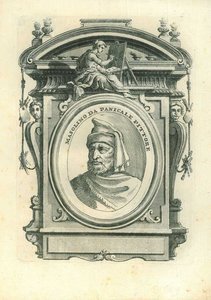
Tommaso di Cristoforo Fini, known to history as Masolino da Panicale, emerged from the artistic milieu of late 14th-century Italy—a period poised between the graceful elegance of the Gothic tradition and the burgeoning naturalism of the Renaissance. Born around 1383, likely in the small Umbrian village of Panicale (though some scholars suggest a Tuscan origin), Masolino’s early life remains shrouded in some mystery. His father's profession as an official connected to the powerful Lombard Visconti family hints at a privileged upbringing and potential exposure to northern European artistic currents. This familial connection may have played a role in shaping his initial aesthetic sensibilities, fostering an appreciation for refined detail and delicate chromaticism that would become hallmarks of his style.
The precise details of Masolino’s training are debated, but it is widely believed he apprenticed under Lorenzo Ghiberti in Florence. This formative period, likely beginning around 1407, proved crucial. Ghiberti's workshop was a center of innovation, particularly renowned for the bronze doors of the Baptistery—a project that demanded meticulous craftsmanship and a sophisticated understanding of form and perspective. Masolino absorbed these lessons, developing a lyrical approach to painting characterized by graceful figures and an ethereal quality.
Collaboration with Masaccio: A Defining Partnership
Masolino’s career took a pivotal turn through his collaboration with the younger artist Tommaso di Ser Giovanni di Simone, better known as Masaccio. This partnership, which flourished in Florence during the 1420s, represents one of the most significant artistic dialogues of the early Renaissance. While Masaccio is often credited with revolutionizing painting through his pioneering use of perspective and anatomical realism, Masolino’s contribution was equally vital—he brought a refined elegance and narrative clarity to their joint projects.
Their most celebrated collaboration is undoubtedly the frescoes in the Brancacci Chapel within the Church of Santa Maria del Carmine. The scenes from the life of Saint Peter showcase a remarkable fusion of styles. Masaccio’s figures possess a monumental solidity and psychological depth, while Masolino’s contributions—such as *The Temptation of Adam and Eve*—are distinguished by their delicate beauty and graceful compositions. This interplay between two distinct artistic visions created a dynamic tension that profoundly influenced the development of Renaissance painting.
A Style Bridging Gothic Grace and Renaissance Innovation
Masolino’s individual works, beyond his collaborations with Masaccio, reveal an artist deeply attuned to the aesthetic currents of his time. His *Madonna of Humility* (c. 1423), housed in the Uffizi Gallery, exemplifies his signature style—a harmonious blend of Gothic elegance and emerging Renaissance principles. The Virgin is depicted with a serene grace, her form delicately modeled and imbued with an ethereal quality. The composition exudes a sense of tranquility and spiritual devotion.
He was not merely a follower of tradition; Masolino demonstrated a keen interest in exploring new techniques and approaches to representation. His use of light and shadow, though less dramatic than Masaccio’s, contributed to the modeling of forms and created a greater sense of depth within his paintings. He also exhibited a remarkable attention to detail, rendering fabrics with exquisite precision and capturing subtle nuances of expression.
Later Years and Lasting Legacy
Around 1428, Masolino accepted a commission from Cardinal Giovanni da Pisa to decorate the chapel in the Neapolitan palace of Pandolfini. This project marked a shift in his career, taking him away from Florence and into new artistic territories. He continued working in Rome and other Italian cities, leaving behind a trail of frescoes and panel paintings that attest to his enduring talent.
Masolino’s untimely death—likely around 1447—cut short a promising career. For centuries, he was overshadowed by the towering figure of Masaccio, often relegated to the role of a minor collaborator. However, modern scholarship has recognized his unique contributions to the Renaissance. His elegant style, refined technique, and narrative clarity played a crucial role in bridging the gap between the Gothic tradition and the new artistic ideals that would define the Italian Renaissance. He is now celebrated as a pioneering artist whose work embodies the beauty and spiritual depth of an era on the cusp of transformation.
- Notable Artworks: *Madonna of Humility*, *St. Anne Metterza*, Frescoes in the Brancacci Chapel, *The Foundation of Santa Maria Maggiore*
- Artistic Movement: Early Renaissance
- Influences: Lorenzo Ghiberti, Masaccio
Quick Facts
- Artistic Movement Or Style: Early Renaissance
- Artists Or Movements Influenced By This Artist: ['Masaccio']
- Artists Who Influenced This Artist:
- Ghiberti
- Masaccio
- Date Of Birth: c. 1383, Panicale
- Date Of Death: c. 1447
- Full Name: Tommaso di Cristoforo Fini
- Nationality: Italian
- Notable Artworks:
- Madonna Humility
- St. Anne Metterza
- Brancacci Chapel frescoes
- Place Of Birth: Panicale, Umbria
Related Articles

Giotto's Masterpieces: 25 Renaissance Artworks for Your Home | ArtsDot
Explore 25 breathtaking artworks by Giotto di Bondone, a Renaissance master. Discover the stories behind iconic frescoes & paintings like the Scrovegni Chapel cycle. Find museum-quality Giotto reproductions and elevate your home decor with ArtsDot.com.
Celestial Messengers: Angels in Painting – A Historical & Artistic Exploration
Explore the captivating history of angels in painting! Discover symbolism, iconic Renaissance & Byzantine masterpieces, and renowned artists. Expert insights for art lovers & collectors at ArtsDot.
Celestial Messengers: A Comprehensive Exploration of Angelic Representation in Art History
Explore the captivating history of angels in art! Discover symbolism, iconic Renaissance masterpieces & renowned artists. Expert insights for art lovers & collectors at ArtsDot.
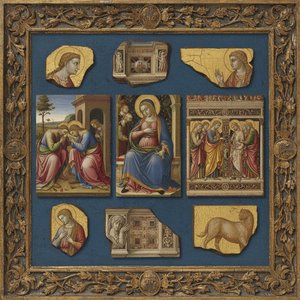
Proto-Renaissance Masters: 10 Artworks That Changed History | ArtsDot
Journey back to the dawn of Renaissance art! Explore 10 iconic Proto-Renaissance masterpieces by Giotto, Cimabue & Duccio. Discover their stories, techniques & lasting impact. Find museum-quality reproductions for your home at ArtsDot.com
Fra Angelico's Masterpieces: 25 Renaissance Paintings for Your Home | ArtsDot
Explore 25 breathtaking masterpieces by Fra Angelico, a Renaissance master. Discover the stories behind his iconic frescoes, Annunciations & religious art. Find museum-quality reproductions and elevate your home decor with ArtsDot.com.