

 Preview
 Send
Send Share
Share
 Details

 Download
 Similars
 X-Ray
X-Ray Diaporama
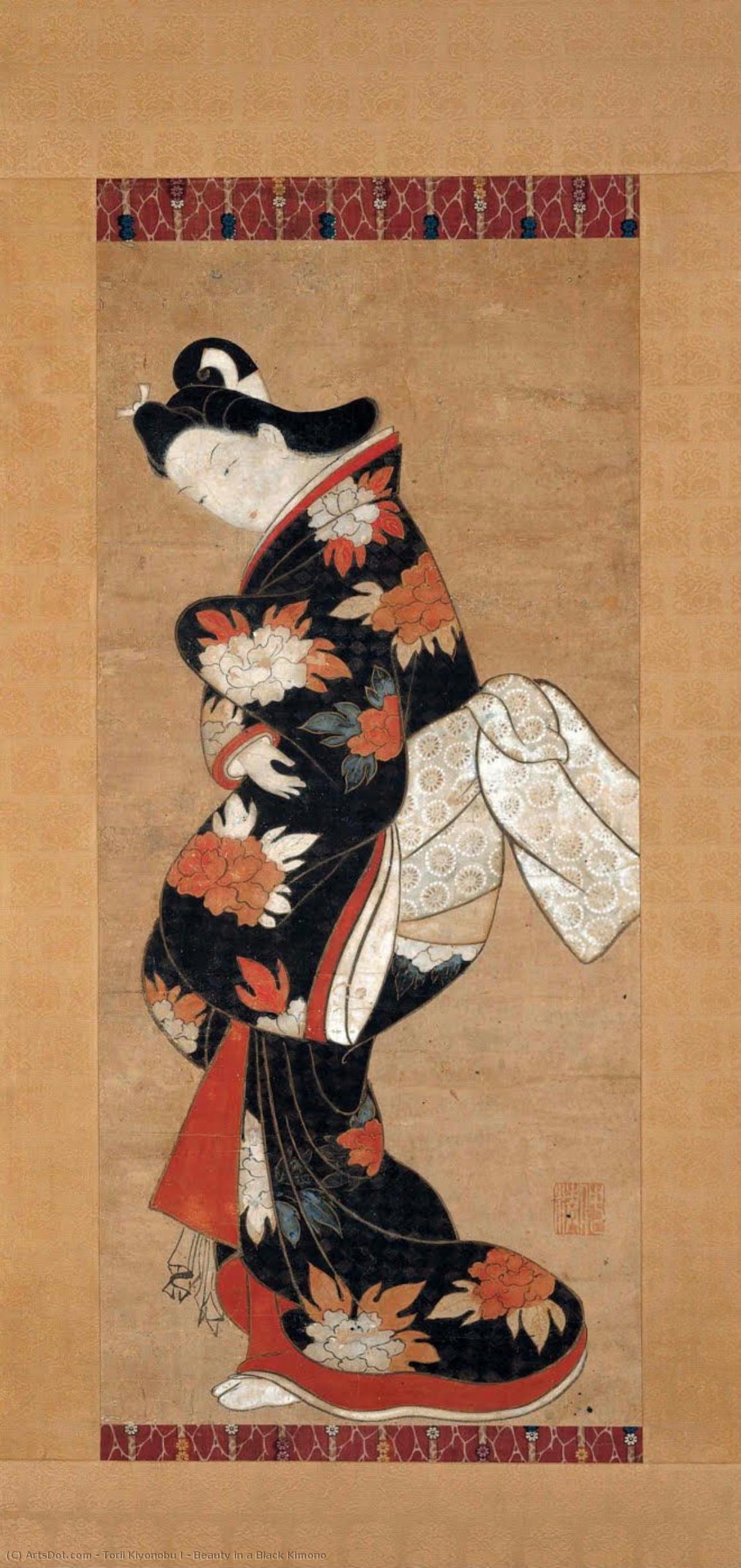
Beauty in a Black Kimono
 Painting
- Ukiyo-e
 1710
1710 60.0 x 27.0 cm
 Kimbell Art Museum
 Read More
Purchase a high-resolution, enhanced digital image, far superior to the online preview.
Each file is meticulously prepared by our in-house specialists using advanced tools and expert manual retouching. We ensure every image has exceptional clarity, precise color accuracy, and fine detail.
The final file is delivered via email within 72 hours, optimized for immediate use in professional, editorial, and print environments. This is the same quality trusted by top-tier design studios, publishers, and galleries.
Digital Image
Download a high-resolution file for personal display, printing, and creative projects. ( Buy Print Buy Hand Made Painting)
Included in Every Digital Image Order
Expert Digital Delivery, Guaranteed
When you choose ArtsDot.com, you're not just getting an image - you're receiving a professionally enhanced digital artwork, crafted with precision and backed by a satisfaction guarantee. Here's everything that comes with your order, automatically:

Fast Email Delivery
Your high-resolution digital image file will be emailed to you within 72 hours of ordering - ready for immediate use.

AI-Enhanced Digital File
Your artwork is professionally optimized using advanced AI tools and manual editing, ensuring maximum detail, clarity, and color accuracy.

Free Lifetime Re-Delivery
Accidentally deleted or lost your file? No worries - we'll resend it to you anytime, free of charge.

No Import Fees - Ever
Enjoy your artwork instantly with zero customs, duties, or delivery fees - digital downloads are always tax-free.

Color Accuracy Guarantee
We ensure your digital image reflects the original colors as closely as possible using professional tools and color management.

60-Day Satisfaction Guarantee
If you're not satisfied with your digital image, we'll revise it or refund 100% within 60 days - no questions asked.

100% Money-Back Guarantee
Not satisfied? Get a full refund within 60 days of receiving your digital file - no questions asked.

Bulk Order Discounts
Buy 3 images, save 10% - Buy 5, save 15% - Buy 10+, save 20%. Great for creative projects, galleries, and agencies.
Collectible Description
Related Artworks
Artist Biography
Rachel Ruysch: A Pioneer of Still Life and Botanical Observation
Rachel Ruysch (1664 – 1750) stands as a monumental figure in the history of art, particularly recognized for her groundbreaking contributions to the genre of still life painting. Born in The Hague, Netherlands, into a family deeply rooted in scientific pursuits—her father was a botanist, physician, and anatomist—Ruysch’s artistic journey was inextricably linked with meticulous observation and an unparalleled understanding of the natural world. Her early training under Willem van Aelst, a renowned painter known for his detailed depictions of objects, provided her with a solid foundation in technique and composition. However, it was her subsequent influence by Otto Marseus van Schriek, famed for his atmospheric forest scenes populated by insects and reptiles, that truly shaped her distinctive style—a fascination with the delicate beauty and often unsettling details of decaying flora and fauna. Ruysch’s career unfolded across several key locations: initially in The Hague from 1701 to 1708, where she became the first female member of the Confrerie Pictura, a prestigious artists' society; then as court painter to the Elector Palatine, Johan Willem, in Düsseldorf (1708-1716), producing lavish portraits and historical scenes; and finally, returning to The Hague for much of her later career. Her artistic practice wasn’t simply about rendering beautiful objects; it was a deeply scientific endeavor. Ruysch meticulously documented the life cycles of flowers, insects, and other specimens, often presenting them in dramatic arrangements that highlighted their textures, colors, and even their decomposition. She employed innovative techniques—using oil paints mixed with turpentine to create incredibly realistic effects of moisture and translucency—to capture the fleeting beauty of her subjects. Her work moved beyond mere representation; she sought to convey a sense of immediacy, as if the viewer were witnessing these moments in nature unfold before their eyes.The Rise of a Unique Style: From Forest Scenes to Botanical Studies
Ruysch’s artistic evolution is marked by a shift from the dark, atmospheric forest scenes influenced by van Schriek to a more focused exploration of botanical subjects. This transition wasn't abrupt but rather a gradual refinement of her skills and interests. She began incorporating insects, fungi, and other small creatures into her still lifes, elevating them to positions of prominence alongside flowers and fruits. Her compositions became increasingly complex, layering multiple specimens upon one another in arrangements that were both visually stunning and scientifically informative. Unlike many of her contemporaries who focused on idealized representations of nature, Ruysch embraced the realities of decay, presenting wilted petals, bruised fruit, and even insect corpses with a remarkable degree of honesty and detail. This willingness to confront mortality—and the beauty inherent within it—was revolutionary for its time. The impact of Ruysch’s work extended beyond the realm of art; she was also a respected scientific illustrator. Her meticulous drawings and paintings served as valuable records of plant life, contributing significantly to botanical knowledge. She even developed her own techniques for preserving specimens, ensuring that her subjects retained their vibrant colors and intricate details for posterity. Her dedication to both artistic expression and scientific observation cemented her legacy as a truly unique artist—one who seamlessly blended the disciplines of art and science.A Court Artist and a Woman in a Male-Dominated World
Rachel Ruysch’s career navigated a challenging landscape dominated by male artists. Despite facing prejudice and skepticism, she persevered, establishing herself as one of the most successful and respected painters of her era. Her appointment as court painter to the Elector Palatine in Düsseldorf was a significant achievement, demonstrating her artistic merit and securing her a position of influence within the royal court. She skillfully utilized this role to showcase her talents, producing portraits for the nobility alongside elaborate still lifes that adorned the palace walls. Furthermore, Ruysch’s membership in the Confrerie Pictura—a guild of artists dedicated to promoting art and fostering professional connections—provided her with valuable support and recognition. This association allowed her to exhibit her work, exchange ideas with fellow artists, and establish a network of patrons. Ruysch's success as a female artist during this period is particularly noteworthy, challenging conventional notions about the roles and capabilities of women in the art world.Legacy and Lasting Influence
Rachel Ruysch’s influence on subsequent generations of still life painters is undeniable. Her meticulous attention to detail, her innovative use of color and texture, and her willingness to depict the beauty of decay paved the way for future artists who sought to capture the complexities of the natural world. Her work continues to be admired today for its scientific accuracy, its artistic beauty, and its profound insights into the ephemeral nature of life. The National Gallery in London holds a significant collection of Ruysch’s paintings, offering visitors a rare opportunity to appreciate the extraordinary talent and enduring legacy of this pioneering artist. Her dedication to observation and her ability to transform fleeting moments in nature into lasting works of art solidify her place as one of the most important figures in the history of still life painting.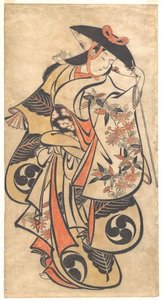
torii kiyonobu i
1664 - 1729 , Japan
Quick Facts
- Artistic Movement Or Style: Baroque, Genoese School
- Artists Or Movements Influenced By This Artist:
- Giovanni Battista Paggi
- Bernardo Strozzi
- Artists Who Influenced This Artist:
- Anthony van Dyck
- Peter Paul Rubens
- Date Of Birth: 1609
- Date Of Death: 1664
- Full Name: Giovanni Benedetto Castiglione
- Nationality: Italian
- Notable Artworks:
- Noah's Ark
- Old Testament scenes
- Place Of Birth: Genoa, Italy

