


 Preview
 Send
Send Share
Share
 Details

 Download
 Similars
 X-Ray
X-Ray Diaporama
Two Scenes of the Tale of Genji
 345.0 x 140.0 cm
 Fukuoka Art Museum
 Read More
Purchase a high-resolution, enhanced digital image, far superior to the online preview.
Each file is meticulously prepared by our in-house specialists using advanced tools and expert manual retouching. We ensure every image has exceptional clarity, precise color accuracy, and fine detail.
The final file is delivered via email within 72 hours, optimized for immediate use in professional, editorial, and print environments. This is the same quality trusted by top-tier design studios, publishers, and galleries.
Digital Image
Download a high-resolution file for personal display, printing, and creative projects. ( Buy Print Buy Hand Made Painting)
Included in Every Digital Image Order
Expert Digital Delivery, Guaranteed
When you choose ArtsDot.com, you're not just getting an image - you're receiving a professionally enhanced digital artwork, crafted with precision and backed by a satisfaction guarantee. Here's everything that comes with your order, automatically:

Fast Email Delivery
Your high-resolution digital image file will be emailed to you within 72 hours of ordering - ready for immediate use.

AI-Enhanced Digital File
Your artwork is professionally optimized using advanced AI tools and manual editing, ensuring maximum detail, clarity, and color accuracy.

Free Lifetime Re-Delivery
Accidentally deleted or lost your file? No worries - we'll resend it to you anytime, free of charge.

No Import Fees - Ever
Enjoy your artwork instantly with zero customs, duties, or delivery fees - digital downloads are always tax-free.

Color Accuracy Guarantee
We ensure your digital image reflects the original colors as closely as possible using professional tools and color management.

60-Day Satisfaction Guarantee
If you're not satisfied with your digital image, we'll revise it or refund 100% within 60 days - no questions asked.

100% Money-Back Guarantee
Not satisfied? Get a full refund within 60 days of receiving your digital file - no questions asked.

Bulk Order Discounts
Buy 3 images, save 10% - Buy 5, save 15% - Buy 10+, save 20%. Great for creative projects, galleries, and agencies.
Related Artworks

Artist Biography
A Legacy Revived: The Life and Art of Tosa Mitsuoki
Tosa Mitsuoki, born in Sakai in 1617, stands as a pivotal figure in the narrative of Japanese painting during the Edo period. He wasn’t merely an artist; he was a restorer, inheriting the mantle of leadership from his father, Tosa Mitsunori, and tasked with breathing new life into the esteemed Tosa school. This lineage connected him to a tradition stretching back to the late Muromachi period, a heritage steeped in artistic refinement and dedicated service to the imperial court. Mitsuoki’s early training under his father was rigorous, focused on the creation of ceremonial fans – objects embodying both artistry and symbolic weight for Japan's highest echelons. This foundational experience would prove instrumental as he navigated the complexities of courtly patronage and sought to re-establish the Tosa school’s prominence.From Sakai to Kyoto: A Courtier’s Brush
The year 1634 marked a turning point, not just for Mitsuoki but for the future of the Tosa school. At the direct request of Emperor Go-Mizunoo, he relocated from Sakai to Kyoto, a move laden with purpose: to reclaim the school’s position as favored artists within the imperial court. This wasn't simply about artistic ambition; it was a strategic maneuver to reconnect with a vital source of patronage that had waned over time. His dedication culminated in 1654 when he formally assumed the title of *edokoro azukari*, effectively becoming head of the Imperial Court Painting Bureau, solidifying his family’s longstanding association with the court. This appointment wasn't merely a ceremonial honor; it placed Mitsuoki at the heart of artistic production for the emperor and the nobility, influencing aesthetic trends and shaping the visual landscape of the era.Blending Tradition and Innovation: The Evolving Style
Mitsuoki’s artistry was characterized by a delicate balancing act – honoring the core tenets of Yamato-e while embracing new influences. Yamato-e, with its flat planes of color delineated by precise outlines, its meticulous detail, and conventional depictions of landscapes and figures, formed the bedrock of his style. However, Mitsuoki wasn’t content to simply replicate the past. He skillfully integrated elements from Chinese painting techniques, demonstrating a cosmopolitan awareness that broadened his artistic vocabulary. Perhaps more significantly, he echoed stylistic choices prevalent in the Kanō school, a dominant force in Japanese art at the time. This willingness to adapt and synthesize different approaches allowed him to appeal to evolving court tastes, securing continued support while simultaneously revitalizing the Tosa aesthetic. His paintings weren’t simply beautiful objects; they were statements of cultural synthesis, reflecting the dynamic artistic climate of the Edo period. Notable works like “Portraits of Three Famous Poets” – Hitomaro, Ise, and Komachi – showcase this blend, exhibiting both the refined elegance of Yamato-e and a subtle depth informed by other schools. Other celebrated pieces include "Egrets and Cotton Roses," "Two Scenes of the Tale of Genji", “Murasaki Shikibu Gazing at the Moon”, “Flowering Cherry with Poem Slips” and “Quail and Autumn Flowers”.A Diminishing Flame: Legacy and Decline
Though Mitsuoki successfully revived the Tosa school during his lifetime, ensuring its continuation through his descendants who also held the position of *edokoro azukari*, a subtle decline began to emerge. Subsequent generations lacked the same innovative spirit, tending towards imitation rather than genuine artistic development. This stagnation gradually eroded interest and patronage, leading to a waning influence in the centuries that followed. Interestingly, a brief revival occurred in the nineteenth century with artists like Tanaka Totsugen and Reizei Tamechika, who dedicated themselves to replicating Mitsuoki’s work – a testament to his enduring stylistic impact. The artistic practices within the Tosa school were unique, relying on closely guarded secrets passed down orally or through concise written notes from master to student, reflecting a deeply ingrained tradition of craftsmanship and knowledge transmission. Despite this initial success, Mitsuoki's legacy remains complex. His contributions remain significant, offering invaluable insight into the artistic tastes and cultural values of the Edo period. His paintings continue to be admired for their beauty, historical importance, and as a window into a fascinating era of Japanese art.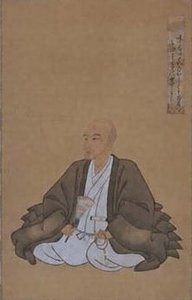
Tosa Mitsuoki
1617 - 1691 , Japan
Quick Facts
- Artistic Movement Or Style: Yamato-e, Edo period
- Artists Or Movements Influenced By This Artist:
- Tanaka Totsugen
- Reizei Tamechika
- Artists Who Influenced This Artist:
- Chinese painters
- Kanō school artists
- Date Of Birth: November 21, 1617
- Date Of Death: November 14, 1691
- Full Name: Tosa Mitsuoki
- Nationality: Japanese
- Notable Artworks:
- Portraits of Three Poets
- Egrets and Cotton Roses
- Two Scenes of Genji
- Murasaki Shikibu Gazing
- Flowering Cherry
- Quail and Autumn Flowers
- Place Of Birth: Sakai, Japan

