 Preview
 Send
Send Share
Share
 Details

 Download
 Similars
 X-Ray
X-Ray Diaporama
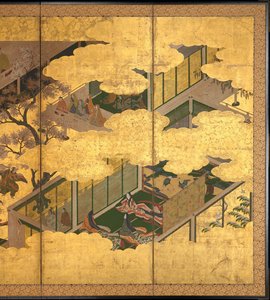
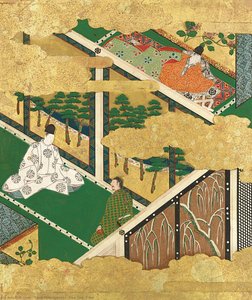
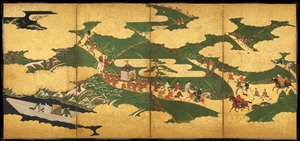
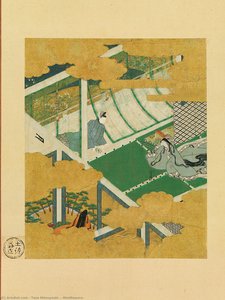
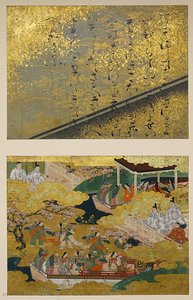
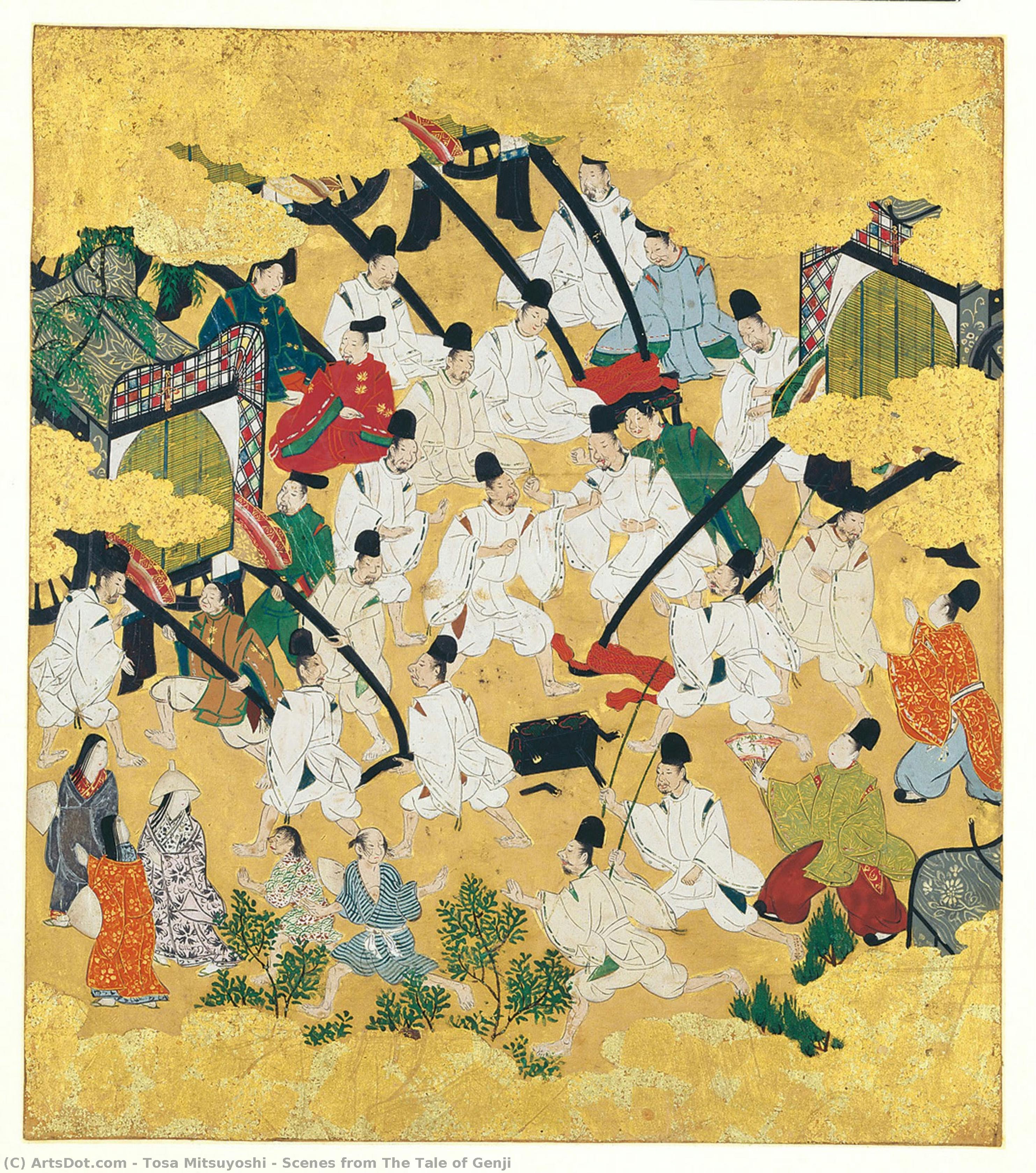
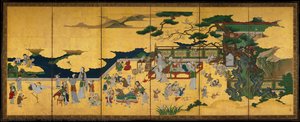
Scenes from The Tale of Genji
 Read More
Giclée / Art Print
Museum-quality giclée or canvas print with fast production and flexible finish options. ( Buy Hand Made Painting Buy Image)




































Pick from our preset sizes that match the artwork's original proportions.

You may enter your own dimensions to fit a specific frame or space. If your selected size does not match the original image's proportions, we will either crop the artwork or extend the image with a mirrored or solid-fill edge. A digital mockup will be sent for your approval before production begins.
Please note that the on-screen preview does not reflect the actual cropping or extension. Only the mockup will accurately show the final composition.
While custom sizes are available, we recommend selecting a dimension from the predefined list to preserve the original proportions.
Worldwide Delivery () in 2 weeks instead of standard 4/5 weeks. (26 August)

Free Worldwide Express Shipping

High-Quality Linen Canvas

Full Shipping Insurance

Customs Tax Refund Guarantee

True Color Matching Guarantee

60-Day Return Policy (Defects Only)

100% Money-Back Guarantee

Bulk Discount Offer
 Glass option is only available in size under 110 CM

Scenes from The Tale of Genji
Giclée / Art Print
Reproduction Size
-


Total Price
$ 63
Collectible Description
Related Artworks

Artist Biography
biography of a renowned artist
tosa mitsuyoshi, a prominent japanese painter, was born in kyoto in 1539 and passed away in 1613. he succeeded the tosa school, which had been the head of the imperial painting bureau in the muromachi period, and moved the studio from kyoto to sakai.artistic contributions
tosa mitsuyoshi is best known for his illustrated handscrolls, emaki, such as the legends of kiyomizu-dera. his work showcases a unique blend of traditional japanese painting techniques and the influence of chinese art.- key artistic features:
- delicate brushwork
- vibrant color palette
- innovative use of gold leaf
- notable works:*
- the oak tree (gold leaf, 24.7cm x 20.8cm)
- butterflies (gold leaf, 165.1cm x 367.7cm)
- drinking festival of the eight immortals of the wine cup (paper, 131.1cm x 60.1cm) *note: not exclusively by tosa mitsuyoshi, but a notable example of his style
legacy and influence
tosa mitsuyoshi's contributions to japanese art are undeniable. his work can be found in various museums and private collections, including the freer gallery of art. the tosa mitsuyoshi collection on ArtsDot.com is a testament to his enduring legacy.further exploration
for more information on tosa mitsuyoshi and his works, visit the tosa mitsuyoshi page on ArtsDot.com. explore the the nanga art movement and the kanō school style art movement to delve deeper into the world of japanese art.- recommended readings:
- painting by 'tosa mitsuyoshi' | tosa mitsuyoshi: “the oak tree”
- tosa mitsuoki - a notable successor of the tosa school
conclusion
tosa mitsuyoshi's impact on japanese art is undeniable. his unique style, characterized by delicate brushwork and vibrant colors, continues to inspire artists and art enthusiasts alike. explore his works and legacy on ArtsDot.com to gain a deeper understanding of this remarkable artist.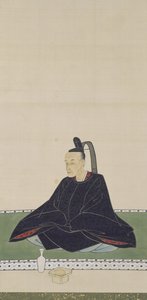
Tosa Mitsuyoshi
1539 - 1613 , Japan
Quick Facts
- Artistic Movement Or Style: Nanga, Tosa School
- Artists Or Movements Influenced By This Artist: ['Kanō School']
- Artists Who Influenced This Artist: ['Chinese art']
- Date Of Birth: 1539
- Date Of Death: 1613
- Full Name: Tosa Mitsuyoshi
- Nationality: Japanese
- Notable Artworks:
- The Oak Tree
- Butterflies
- Drinking Festival
- Place Of Birth: Kyoto, Japan