 Preview
 Send
Send Share
Share
 Details

 Download
 Similars
 X-Ray
X-Ray Diaporama
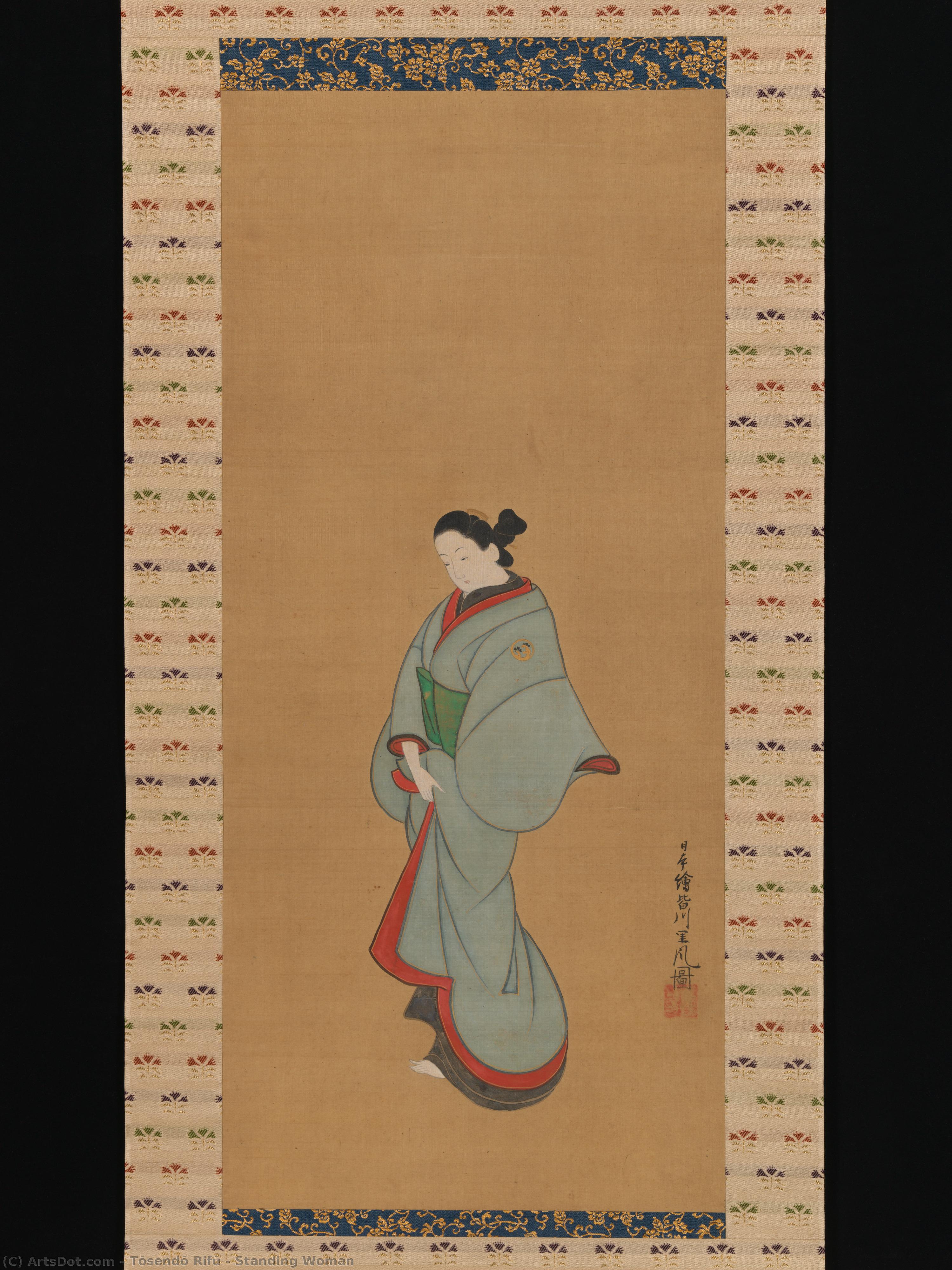
Standing Woman
 1730
1730 68.0 x 31.0 cm
 Read More
Hand Made Oil Reproduction
Hand-painted oil on canvas in your size and frame, made to order by our artists. ( Buy Print Buy Image)




































Pick from our preset sizes that match the artwork's original proportions.

You may enter your own dimensions to fit a specific frame or space. If your selected size does not match the original image's proportions, we will either crop the artwork or extend the painting with additional hand-painted elements. A digital mockup will be sent for your approval before production begins.
Please note that the on-screen preview does not reflect the actual cropping or extension. Only the mockup will accurately show the final composition.
While custom sizes are available, we recommend selecting a dimension from the predefined list to preserve the original proportions.
After order, ArtsDot.com team will email client for instructions and provide a mockup preview
Worldwide Delivery () in 3/4 weeks instead of standard 5 weeks. (21 August). No compromise on quality.

Free Worldwide Express Shipping

High-Quality Linen Canvas

Full Shipping Insurance

Customs Tax Refund Guarantee

True Color Matching Guarantee

60-Day Return Policy (Defects Only)

100% Money-Back Guarantee

Bulk Discount Offer
 Glass option is only available in size under 110 CM

Standing Woman
Reproduction Medium
Reproduction Size
-


Total Price
$ 263
Related Artworks










Artist Biography
The Enigmatic World of Tōsendō Rifū: A Master of Edo Period Bijinga
Tōsendō Rifū remains a somewhat elusive figure in the annals of Japanese art history, yet his contributions to the vibrant world of *bijinga* – images of beautiful women – during the Edo period (1615–1868) are undeniable. Active primarily in Tokyo, though biographical details remain scarce, Rifū flourished within a specific artistic milieu characterized by both technical skill and a keen understanding of popular culture. He wasn’t merely depicting faces; he was capturing an ideal, a fleeting moment of beauty that resonated with the sensibilities of his time. His work emerged from the Kaigetsudō school, known for its prints featuring women adorned in strikingly colorful and complex kimono patterns. While these designs might initially appear as fashion plates, it's more likely that artists like Rifū prioritized showcasing the grace and allure of the women themselves, offering glimpses into a world largely inaccessible to many – the *ukiyo*, or “floating world,” of Edo’s pleasure districts.Kaigetsudō Roots and Artistic Development
Rifū's association with the Kaigetsudō school is central to understanding his artistic style. This studio, while not necessarily a formal academy, fostered a distinctive approach to *bijinga*. The prints emanating from Kaigetsudō were celebrated for their bold lines and vibrant color palettes, a departure from some of the more subdued tones found in other schools. Rifū absorbed these techniques but infused them with his own sensibility. He possessed a remarkable ability to capture not just physical likeness but also an inner quality – a sense of poise, intelligence, or even melancholy – within his subjects. His lines are often thick and decisive, lending a strength and presence to the figures, while the bright colors serve to accentuate their beauty and draw the viewer’s eye. The influence of the Torii school is also apparent in Rifū's work; both schools shared an interest in portraying contemporary women with a degree of realism and attention to detail. However, Rifū distinguished himself through his nuanced characterizations and refined compositions.Themes and Techniques: Capturing the Essence of Beauty
Rifū’s paintings typically depict courtesans or women engaged in everyday activities, often presented as single figures or small groups. He excelled at capturing the elegance of their attire – the elaborate hairstyles, the luxurious fabrics, and the delicate accessories that signified status and taste. But beyond mere representation, Rifū sought to convey a sense of atmosphere and emotion. His backgrounds are frequently simple and understated, allowing the focus to remain firmly on the figure itself. The use of color is particularly noteworthy; he employed bold combinations and striking contrasts to create visually arresting images. A key element in his work is the attention to detail in the depiction of kimono patterns. These intricate designs weren’t simply decorative flourishes but served as a means of highlighting the women's beauty and sophistication. The *Standing Courtesan*, for example, exemplifies this approach – the woman’s robes are rendered with meticulous care, while her expression conveys a sense of quiet dignity.Decline and Legacy: A Brief But Impactful Career
Despite his talent, Rifū's career was relatively short-lived. He faced banishment to ōshima in 1714, an event that abruptly curtailed his artistic production. The reasons for this exile remain unclear, but it undoubtedly marked a turning point in his life and work. Following his banishment, the style of Tōsendō Rifū and his direct disciples experienced a noticeable decline. While imitators attempted to replicate his techniques, they often lacked the same level of nuance and sensitivity. Nevertheless, Rifū’s influence continued to be felt within the *bijinga* tradition. His work served as an inspiration for later generations of artists, who sought to capture the beauty and allure of Edo period women in their own distinctive styles. Today, his paintings are highly prized by collectors and scholars alike, offering a rare glimpse into a fascinating era of Japanese art history. He is remembered not just as a skilled technician but as an artist who possessed a unique ability to capture the essence of feminine grace and beauty.
tōsendō rifū
Japan
Quick Facts
- Artistic Movement Or Style: Bijinga, Ukiyo-e
- Artists Or Movements Influenced By This Artist: ['Kaigetsudō school']
- Artists Who Influenced This Artist: ['Torii school']
- Full Name: Tōsendō Rifū
- Nationality: Japanese
- Notable Artworks:
- Standing Courtesan
- Standing Woman
- Place Of Birth: Tokyo, Japan