

 Preview
 Send
Send Share
Share
 Details

 Download
 Similars
 X-Ray
X-Ray Diaporama
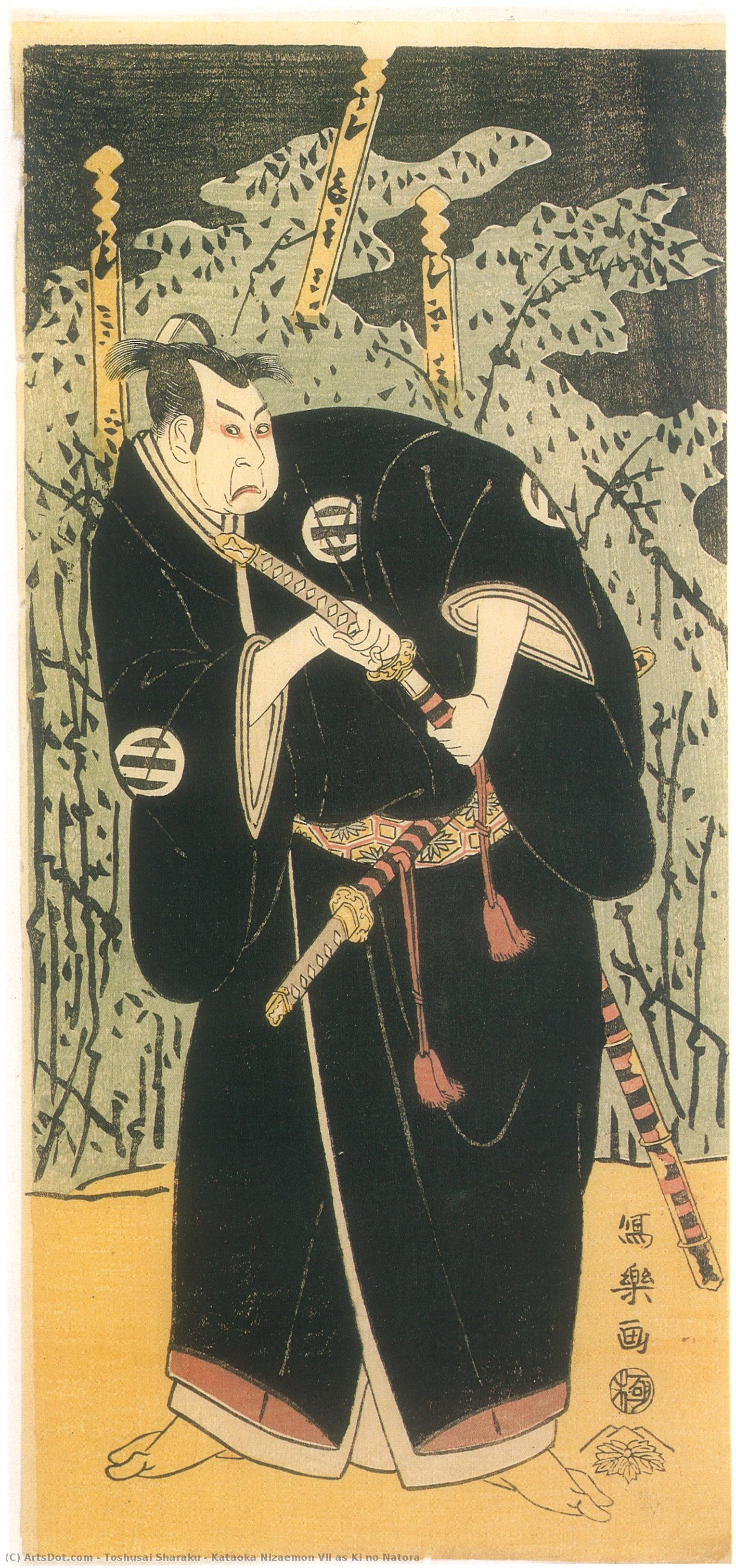
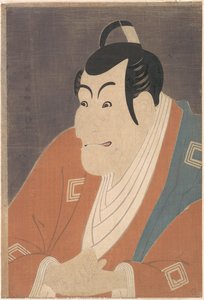
Kataoka Nizaemon VII as Ki no Natora


 Read More
Purchase a high-resolution, enhanced digital image, far superior to the online preview.
Each file is meticulously prepared by our in-house specialists using advanced tools and expert manual retouching. We ensure every image has exceptional clarity, precise color accuracy, and fine detail.
The final file is delivered via email within 72 hours, optimized for immediate use in professional, editorial, and print environments. This is the same quality trusted by top-tier design studios, publishers, and galleries.
Digital Image
Download a high-resolution file for personal display, printing, and creative projects. ( Buy Print Buy Hand Made Painting)
Included in Every Digital Image Order
Expert Digital Delivery, Guaranteed
When you choose ArtsDot.com, you're not just getting an image - you're receiving a professionally enhanced digital artwork, crafted with precision and backed by a satisfaction guarantee. Here's everything that comes with your order, automatically:

Fast Email Delivery
Your high-resolution digital image file will be emailed to you within 72 hours of ordering - ready for immediate use.

AI-Enhanced Digital File
Your artwork is professionally optimized using advanced AI tools and manual editing, ensuring maximum detail, clarity, and color accuracy.

Free Lifetime Re-Delivery
Accidentally deleted or lost your file? No worries - we'll resend it to you anytime, free of charge.

No Import Fees - Ever
Enjoy your artwork instantly with zero customs, duties, or delivery fees - digital downloads are always tax-free.

Color Accuracy Guarantee
We ensure your digital image reflects the original colors as closely as possible using professional tools and color management.

60-Day Satisfaction Guarantee
If you're not satisfied with your digital image, we'll revise it or refund 100% within 60 days - no questions asked.

100% Money-Back Guarantee
Not satisfied? Get a full refund within 60 days of receiving your digital file - no questions asked.

Bulk Order Discounts
Buy 3 images, save 10% - Buy 5, save 15% - Buy 10+, save 20%. Great for creative projects, galleries, and agencies.
Related Artworks
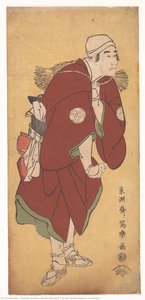
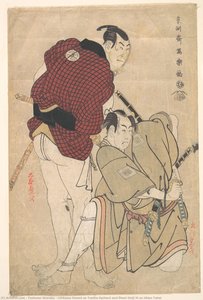
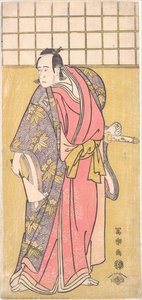
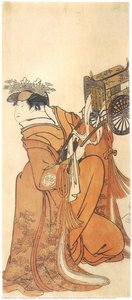
Artist Biography
The Enigmatic Flash of Tōshūsai Sharaku
Tōshūsai Sharaku remains one of the most captivating and elusive figures in the history of ukiyo-e, the “pictures of the floating world” that flourished during Japan’s Edo period. Active for a mere ten months – from roughly May 1794 to February 1795 – this master printmaker burst onto the scene with an unprecedented style of portraiture, focusing almost exclusively on kabuki actors. Yet, as quickly as he appeared, Sharaku vanished, leaving behind a legacy shrouded in mystery and speculation. Neither his birth name nor the circumstances surrounding his brief career are definitively known, fueling decades of scholarly debate and adding to the allure of his work.
The context of Sharaku’s emergence is crucial to understanding his art. The late Edo period was a time of relative peace but also economic hardship and social control. The Kansei Reforms, implemented by the shogunate, aimed to curb extravagance and maintain the rigid feudal order. Kabuki theatre, while immensely popular, came under increasing scrutiny. Actors were restricted in their performances and incomes, and a general atmosphere of conservatism prevailed. It was into this environment that Sharaku’s bold, unconventional portraits arrived.
A Revolutionary Portrait Style
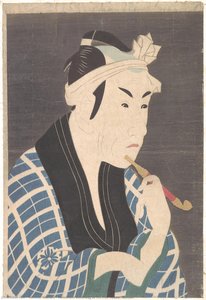
Prior to Sharaku, yakusha-e – prints depicting kabuki actors – typically idealized their subjects, presenting them as handsome and graceful figures. Artists like Katsukawa Shunshō favored elegant compositions and flattering representations. Sharaku shattered this convention. His portraits were startlingly realistic, even unflattering at times. He captured the raw energy, psychological depth, and individual quirks of each actor with an intensity rarely seen before. He didn’t shy away from depicting wrinkles, exaggerated expressions, or unconventional poses. This commitment to verisimilitude was both groundbreaking and controversial.
Sharaku's technique was equally innovative. He employed a masterful use of line, color, and composition to create dynamic and expressive images. His backgrounds were often minimalist, focusing attention on the actor’s face and body language. He frequently used mica dusting – a technique borrowed from Shunshō – to add a shimmering effect, enhancing the sense of drama and theatricality. The prints themselves varied in size, moving from larger ōban formats to smaller hosoban, perhaps reflecting changing market demands or his own evolving artistic vision. His compositions often emphasized close-ups, focusing on the actor’s head and shoulders, allowing for an intimate connection with the viewer.
The Mystery of Identity
The lack of biographical information surrounding Sharaku has spawned countless theories about his true identity. Some scholars believe he was a former Noh actor who possessed an intimate understanding of performance and characterization. Others suggest he may have been a disillusioned painter from another school, seeking to make his mark in the world of ukiyo-e. A particularly intriguing hypothesis proposes that Sharaku was actually Hokusai himself, experimenting under a pseudonym before achieving fame with works like “Thirty-Six Views of Mount Fuji.”
While no definitive proof exists to support any of these claims, the speculation highlights the unique qualities of his work. His prints reveal an artist deeply familiar with the nuances of kabuki theatre and human psychology. The level of detail and insight suggests a keen observer with a profound understanding of his subjects. The fact that he seemingly appeared from nowhere, produced a prolific body of work in such a short period, and then disappeared without a trace only adds to the mystique.
Legacy and Historical Significance
Despite his brief career, Tōshūsai Sharaku left an indelible mark on the history of ukiyo-e. His portraits challenged conventional notions of beauty and representation, paving the way for a more realistic and psychologically nuanced approach to portraiture. His work influenced subsequent generations of artists, including those who sought to capture the dynamism and individuality of modern life.
Today, Sharaku’s prints are highly prized by collectors and museums worldwide. They offer a fascinating glimpse into the world of Edo period kabuki theatre and provide a unique window into the lives and personalities of its most celebrated performers. His legacy extends beyond the realm of art history; he embodies the spirit of artistic innovation, challenging norms and pushing boundaries in pursuit of a more authentic and expressive vision. The enduring mystery surrounding his identity only serves to enhance the captivating power of his work, ensuring that Tōshūsai Sharaku will continue to fascinate and inspire for generations to come.
toshusai sharaku
1794 - 1795
Quick Facts
- Artistic Movement Or Style: Kabuki actor portraits
- Date Of Death: 1795
- Full Name: Tōshūsai Sharaku
- Nationality: Japanese
- Notable Artworks: ['Bando Hikosaburō III in the Role of Obi-ya Chōeimon and Iwai Hanshirō IV in the Role of Shinano-ya Ohan']
- Place Of Birth: Tokyo, Japan

