

 Send
Send Share
Share
 Details

 Download
 Similars
 Diaporama
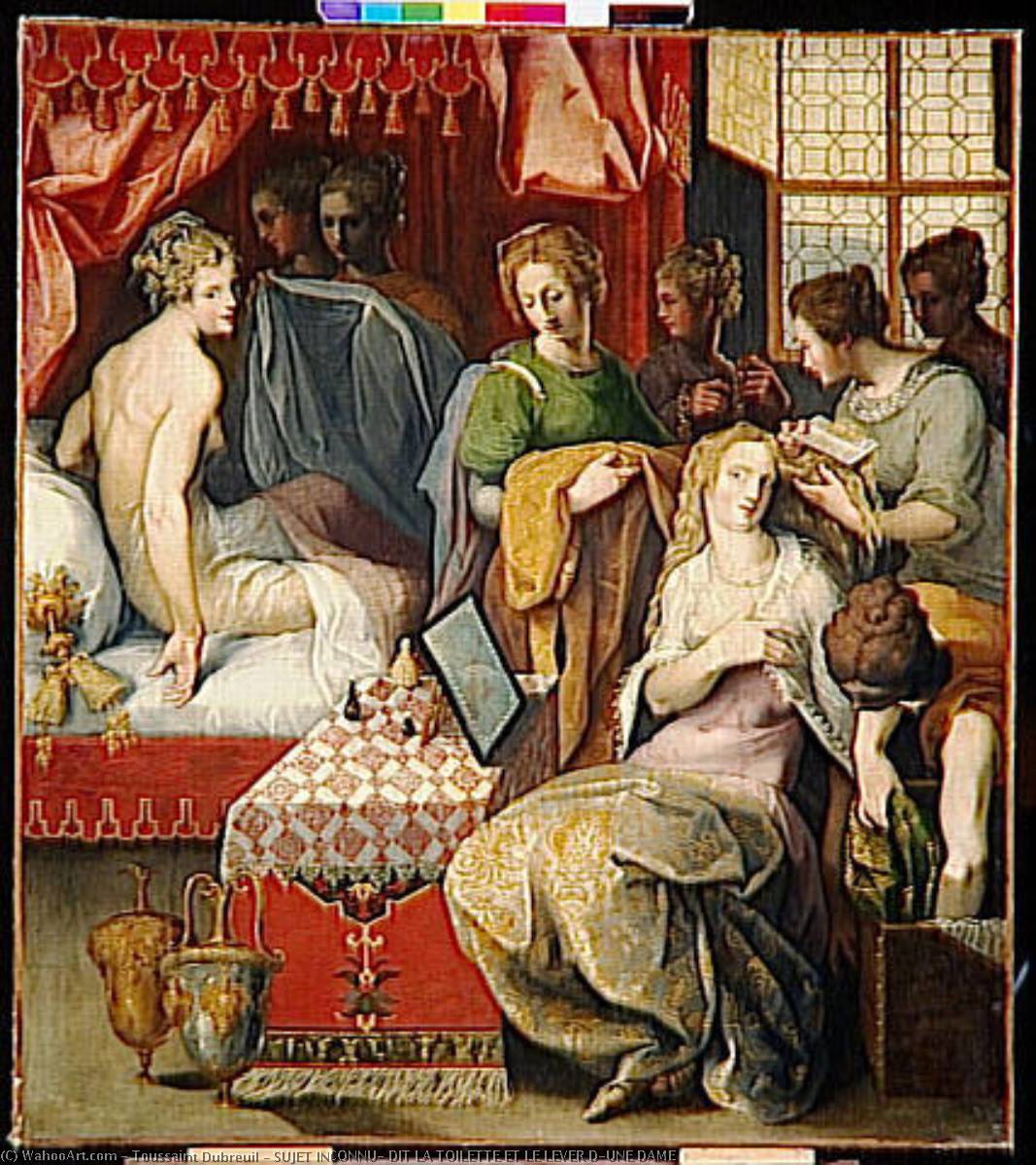
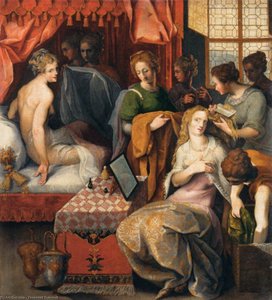
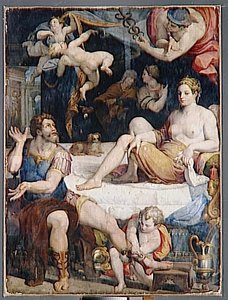
SUJET INCONNU, DIT LA TOILETTE ET LE LEVER D'UNE DAME


 Read More
Purchase a high-resolution, enhanced digital image, far superior to the online preview.
Each file is meticulously prepared by our in-house specialists using advanced tools and expert manual retouching. We ensure every image has exceptional clarity, precise color accuracy, and fine detail.
The final file is delivered via email within 72 hours, optimized for immediate use in professional, editorial, and print environments. This is the same quality trusted by top-tier design studios, publishers, and galleries.
Digital Image
Download a high-resolution file for personal display, printing, and creative projects. ( Buy Print Buy Hand Made Painting)
Included in Every Digital Image Order
Expert Digital Delivery, Guaranteed
When you choose ArtsDot.com, you're not just getting an image - you're receiving a professionally enhanced digital artwork, crafted with precision and backed by a satisfaction guarantee. Here's everything that comes with your order, automatically:

Fast Email Delivery
Your high-resolution digital image file will be emailed to you within 72 hours of ordering - ready for immediate use.

AI-Enhanced Digital File
Your artwork is professionally optimized using advanced AI tools and manual editing, ensuring maximum detail, clarity, and color accuracy.

Free Lifetime Re-Delivery
Accidentally deleted or lost your file? No worries - we'll resend it to you anytime, free of charge.

No Import Fees - Ever
Enjoy your artwork instantly with zero customs, duties, or delivery fees - digital downloads are always tax-free.

Color Accuracy Guarantee
We ensure your digital image reflects the original colors as closely as possible using professional tools and color management.

60-Day Satisfaction Guarantee
If you're not satisfied with your digital image, we'll revise it or refund 100% within 60 days - no questions asked.

100% Money-Back Guarantee
Not satisfied? Get a full refund within 60 days of receiving your digital file - no questions asked.

Bulk Order Discounts
Buy 3 images, save 10% - Buy 5, save 15% - Buy 10+, save 20%. Great for creative projects, galleries, and agencies.
A Glimpse into a Lavish World: Toussaint Dubreuil’s “SUJET INCONNU”
Toussaint Dubreuil’s “SUJET INCONNU, DIT LA TOILETTE ET LE LEVER D'UNE DAME,” often referred to as "The Toilette and the Awakening of a Lady," is more than just a depiction of a private moment; it’s a meticulously crafted window into the opulent world of 16th-century French aristocracy. Painted in 1598, this tapestry, rendered with astonishing detail and a subtly unsettling atmosphere, offers a rare glimpse into the daily rituals and social dynamics of a privileged elite. The scene unfolds within a richly appointed bedroom – a space dominated by a monumental bed draped in sumptuous fabrics, its presence immediately establishing a sense of grandeur and wealth. The composition is deliberately crowded, teeming with figures engaged in various activities: a partially nude woman emerging from her slumber, attended by servants diligently performing their duties, and others absorbed in pursuits like sewing and reading. This density isn’t chaotic; rather, it speaks to the constant activity and intricate social choreography that characterized aristocratic life.
The Mannerist Palette and Italian Influence
Dubreuil's style firmly places him within the Second School of Fontainebleau, a movement deeply influenced by the artistic currents flowing from Italy. He skillfully blended the elongated forms, dramatic poses, and heightened emotionality characteristic of Mannerism – a style that prioritized elegance and psychological intensity over strict realism – with the classical ideals championed by the Italian Renaissance. Notice particularly the subtly distorted proportions of the figures, the swirling draperies that seem to defy gravity, and the carefully orchestrated use of light and shadow. These elements contribute to an overall sense of theatricality and heightened drama. The influence of artists like Francesco Primaticcio, a key figure in shaping the Fontainebleau style, is readily apparent in the tapestry’s densely packed composition and its penchant for elaborate detail. Dubreuil's work represents a crucial bridge between the rigid formality of earlier French painting and the more expressive and dynamic approach favored by Italian masters.
Decoding Symbolism: Intimacy and Social Hierarchy
Beyond its aesthetic qualities, “SUJET INCONNU” is laden with symbolic meaning. The partially nude figure emerging from bed represents a moment of vulnerability and intimacy – a private ritual performed within the confines of the bedroom. However, this intimate scene is framed by a complex social hierarchy. The attendants attending to the woman are not merely servants; they represent the intricate web of relationships and obligations that defined aristocratic society. The presence of objects like books and sewing implements suggests intellectual pursuits and domestic duties, further reinforcing the tapestry’s portrayal of a carefully constructed world. Some scholars have suggested the scene might allude to mythological or allegorical themes, perhaps referencing figures from classical literature associated with beauty, sleep, and awakening – though definitive interpretations remain debated.
Technique: The Art of Tapestry Weaving
The remarkable detail and richness of “SUJET INCONNU” are a testament to the skill of its creator and the demanding process of tapestry weaving. Likely executed in wool and silk threads, the work demonstrates an extraordinary level of technical mastery. The intricate knotting techniques used to create the image required immense patience and precision. The vibrant colors – reds, golds, browns, creams, greens, and blues – were achieved through careful dyeing processes, utilizing natural pigments derived from plants and minerals. The flattened perspective, a common characteristic of tapestries, creates an illusion of depth while simultaneously emphasizing the decorative qualities of the artwork. The texture itself—the raised pile of wool and silk—invites tactile engagement, suggesting the luxurious materiality of the scene depicted.
A Legacy of Elegance: Dubreuil’s Place in Art History
Though Toussaint Dubreuil's individual fame has often been overshadowed by his contemporaries, “SUJET INCONNU” stands as a significant example of French Mannerist painting and a remarkable achievement in tapestry weaving. It offers a captivating glimpse into the world of 16th-century aristocracy – a world defined by wealth, social complexity, and an enduring fascination with beauty and intimacy. Reproductions of this exquisite work continue to inspire admiration for its technical brilliance, symbolic depth, and evocative atmosphere, solidifying Dubreuil’s legacy as a key figure in the artistic landscape of his time.
Related Artworks

Artist Biography
The Elegance of Mannerism: The Life and Legacy of Toussaint Dubreuil
Toussaint Dubreuil, a name etched into the delicate fabric of the French Renaissance, stands as a masterful bridge between the structured grandeur of Mannerism and the fluid, emotive grace of Italian influence. Born in Paris around 1561, Dubreuil emerged during a transformative era when the French court sought to mirror the sophisticated aesthetics of the Italian masters. His life, though relatively brief, concluded in 1602, yet the impact of his brushwork remains a testament to the artistic ambitions of the Second School of Fontainebleau. This movement was not merely a stylistic choice but a cultural phenomenon, blending the elongated, stylized forms of Mannerism with a vibrant, rhythmic energy that sought to elevate the French spirit through classical ideals.
The foundation of Dubreuil’s artistry was laid under the watchful eye of Ruggiero de Ruggieri at Fontainebleau. This formative period was crucial, as it immersed him in the principles of classical sculpture and the humanist philosophies that defined the royal court. From this tutelage, he inherited a meticulous devotion to detail and an uncanny ability to render idealized beauty. His early works reveal a profound grasp of Mannerist techniques—characterized by expressive gestures and complex, undulating draperies—yet they are simultaneously infused with a subtle, lyrical nuance derived from Italian traditions. This synthesis allowed him to create compositions that felt both structurally sophisticated and emotionally resonant.
Narrative Grandeur and Mythological Vision
Dubreuil’s creative impulse was deeply rooted in the literary and mythological landscapes of his time. He found endless inspiration in the epic tales of Homer, the poetic explorations of Pierre de Rationale, and the dramatic narratives of Torquato Tasso. Through these subjects, he explored universal themes of heroism, virtue, and divine grace, translating ancient legends into visual spectacles for the French aristocracy. His canvases often feature:
- Heroic Confrontations: Dramatic scenes where figures are caught in moments of intense physical and emotional struggle, utilizing elongated limbs to heighten the sense of tension.
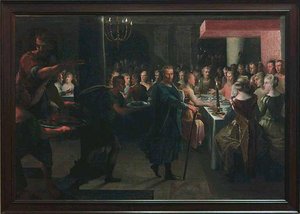
- Opulent Festivities: Grandiose depictions of banquets and royal celebrations, such as his work Sujet inconnu, dit Un banquet, which capture the splendor and social hierarchy of the era.
- Intimate Portraits and Domesticity: More delicate explorations of beauty and ritual, exemplified by works like La Toilette et le Lever d'une Dame, where the grace of the human form is celebrated through soft light and refined detail.
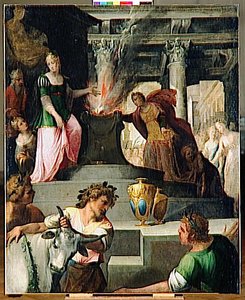
In masterpieces such as Sacrifice Antique, Dubreuil demonstrates his ability to evoke profound mystery. Through the use of flickering flames and shadowy, enigmatic figures, he invites the viewer into a world of ancient ritual, where the boundaries between the mortal and the divine become blurred. This capacity for atmosphere is what distinguishes him from his contemporaries, as he moved beyond mere imitation of style to achieve a true sense of narrative depth.
Historical Significance and Artistic Triumph
The zenith of Dubreuil’s career was marked by his monumental contributions to the Fontainebleau Palace. His ability to execute ambitious fresco projects showcased a technical versatility that commanded respect within the highest circles of French nobility. These large-scale works served as much more than decoration; they were political and cultural statements, reinforcing the prestige of the French monarchy through the language of classical triumph. While he may not have achieved the widespread fame of some of his peers, his role in refining the Second School of Fontainebleau was indispensable.
Dubreuil’s legacy lies in his ability to harmonize disparate influences into a cohesive, uniquely French aesthetic. By weaving together the tension of Mannerism with the harmony of the Italian Renaissance, he helped define an era of unparalleled elegance. His work remains a vital study for anyone seeking to understand the transition of European art toward a more emotive and narrative-driven future, ensuring that his name continues to resonate within the halls of art history.
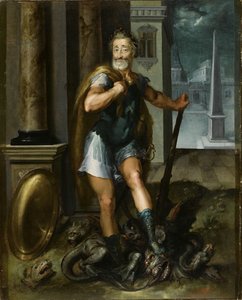
Toussaint Dubreuil
1561 - 1602 , France
Quick Facts
- Artistic Movement Or Style: Second School Fontainebleau; Mannerism; Italian Art Influence
- Artists Who Influenced This Artist: ['Ruggiero de Ruggieri']
- Date Of Birth: ca. 1561
- Date Of Death: 1602
- Full Name: Toussaint Dubreuil
- Nationality: French
- Notable Artworks:
- Hyante & Climene
- Sujet inconnu, dit Un banquet
- SUJET INCONNU, DIT LA TOILETTE ET LE LEVER D'UNE DAME
- Place Of Birth: Paris, France

