Artist Biography
The Legacy of Gotō Yūjō: Founder of a Sword Fitting Dynasty
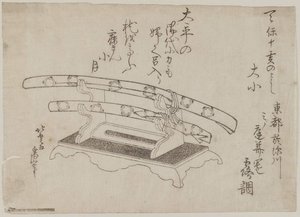
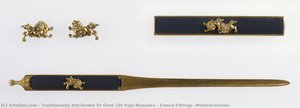
Gotō Yūjō, active during the tumultuous Muromachi period (1440-1512), stands as a pivotal figure in the history of Japanese decorative arts. While precise details surrounding his life remain elusive—a common characteristic for artisans of his era—his impact is indelibly etched into the evolution of *tosogu*, the fittings adorning samurai swords. He wasn’t merely a craftsman; he was the progenitor of a lineage, the Gotō family, whose work would define aesthetic standards for centuries and become synonymous with unparalleled quality and refinement. Yūjō's story begins not in the realm of artistry, but within the service of the Ashikaga shogunate. He is believed to have been a retainer of Ashikaga Yoshimasa, entrusted with establishing a government mint aimed at regulating the production and purity of gold currency. This initial role, demanding precision and an understanding of metalworking, laid the foundation for his later endeavors in sword ornamentation. It was from this administrative position that Yūjō transitioned into crafting fittings, driven by a desire to elevate the aesthetic value alongside the functional purpose of these essential components of samurai weaponry.
From Currency Control to Artistic Mastery
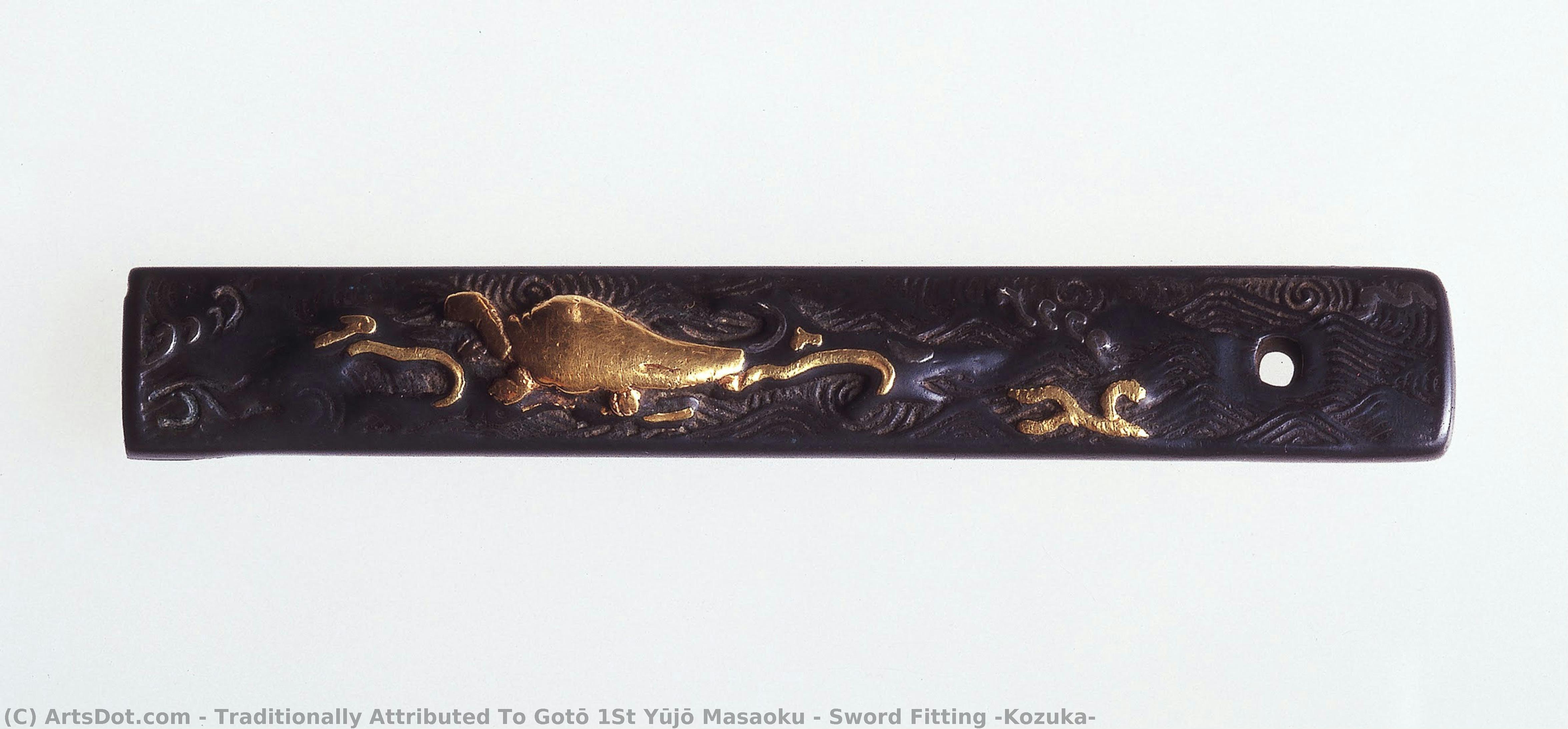
The shift from mint administration to *tosogu* creation wasn’t arbitrary. The Muromachi period was marked by increasing social unrest and warfare, yet simultaneously witnessed a flourishing of cultural pursuits, particularly among the warrior class. Samurai increasingly viewed their swords not simply as tools of combat but as symbols of status, power, and personal identity. This demand for exquisitely crafted fittings provided fertile ground for Yūjō’s talents to blossom. He established what would become a hereditary workshop, passing down techniques and aesthetic principles through generations. Yūjō's early work is characterized by an exceptional attention to detail and a pioneering use of *shakudō*, a copper alloy containing a small percentage of gold. This material allowed him to achieve a distinctive dark patina—a lustrous black background that served as the perfect canvas for intricate inlays of gold, silver, and other metals. His signature technique, *nanako*, involved creating a finely granulated ground texture resembling fish eggs, adding depth and visual complexity to his designs. While he rarely signed his pieces, scholars attribute works exhibiting these characteristics—the dark *shakudō* base, the meticulous *nanako* finish, and the refined detailing—to his hand.
Aesthetic Principles and Influences
The aesthetic sensibilities of Gotō Yūjō were deeply rooted in the prevailing artistic currents of the Muromachi period. He drew inspiration from both traditional Japanese motifs and Chinese art, seamlessly blending them into a uniquely Japanese style. Natural themes—particularly turtles and flowing water—frequently appear in his work, symbolizing longevity, resilience, and harmony with nature. The turtle motif, for example, is often depicted alongside designs of logs or rocks, creating evocative compositions that reflect Zen Buddhist principles of simplicity and contemplation. The influence of *yamato-e*, traditional Japanese painting characterized by its vibrant colors and narrative scenes, can also be detected in the dynamic arrangements and expressive forms found in his fittings. However, Yūjō wasn’t merely a replicator of existing styles; he synthesized these influences into something entirely new—a refined aesthetic that prioritized balance, harmony, and understated elegance. His work eschewed ostentatious displays of wealth or power, instead focusing on the subtle beauty of craftsmanship and the inherent qualities of the materials themselves.
The Gotō Family Legacy: Continuing a Tradition
The true measure of Gotō Yūjō’s achievement lies not only in his own artistic output but also in the enduring legacy he established through his family workshop. For over four centuries, successive generations of Gotō craftsmen continued to refine and expand upon his techniques, maintaining an unwavering commitment to quality and innovation. The family's work became highly sought after by samurai lords, emperors, and art collectors alike, solidifying their reputation as the preeminent makers of sword fittings in Japan. Each generation developed its own distinct style while remaining faithful to the core principles established by Yūjō—the meticulous attention to detail, the mastery of *shakudō* and *nanako*, and the harmonious integration of natural motifs. The Gotō family’s influence extended beyond mere craftsmanship; they also played a crucial role in shaping the aesthetic standards of Japanese art as a whole. Their work served as a model for other workshops and inspired countless artists to emulate their techniques and designs. The final descendant of the Gotō line passed away in 1856, bringing an end to this remarkable artistic dynasty, but their creations continue to be celebrated today as masterpieces of Japanese artistry.
Historical Significance and Enduring Appeal
Gotō Yūjō’s contribution transcends the realm of decorative arts; he represents a pivotal moment in the development of Japanese aesthetics and cultural identity. His work reflects the changing values of the Muromachi period—the increasing emphasis on personal expression, the growing appreciation for natural beauty, and the integration of Zen Buddhist principles into artistic practice. The fittings he created weren’t simply functional objects; they were symbols of status, power, and spiritual contemplation. The Gotō family's continued success over centuries underscores the enduring appeal of Yūjō’s aesthetic vision. Their work remains highly prized by collectors worldwide, not only for its exquisite craftsmanship but also for its historical significance and cultural value. Owning a piece attributed to Gotō Yūjō or one of his descendants is akin to possessing a tangible link to Japan's rich artistic heritage. The meticulous detail, the subtle beauty, and the harmonious compositions continue to captivate audiences today, serving as a testament to the enduring power of artistry and tradition.


 Preview
 Send
Send Share
Share
 Details

 Download
 Similars
 X-Ray
X-Ray Diaporama

 Read More
 Buy Print