 Preview
 Send
Send Share
Share
 Details

 Download
 Similars
 X-Ray
X-Ray Diaporama
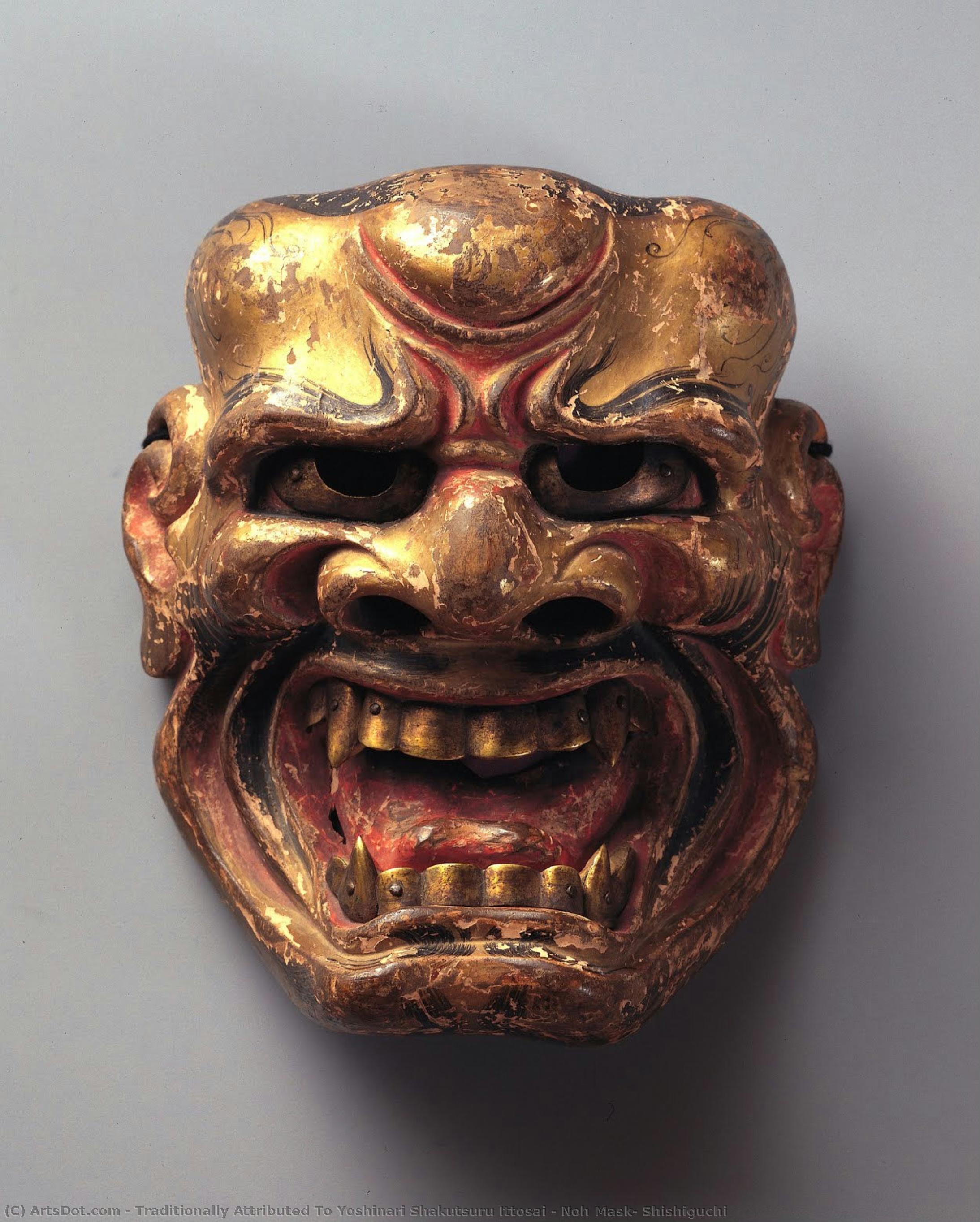
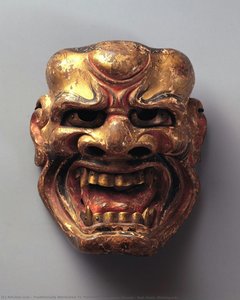
Noh Mask, Shishiguchi

 Read More
Giclée / Art Print
Museum-quality giclée or canvas print with fast production and flexible finish options. ( Buy Hand Made Painting Buy Image)




































Pick from our preset sizes that match the artwork's original proportions.

You may enter your own dimensions to fit a specific frame or space. If your selected size does not match the original image's proportions, we will either crop the artwork or extend the image with a mirrored or solid-fill edge. A digital mockup will be sent for your approval before production begins.
Please note that the on-screen preview does not reflect the actual cropping or extension. Only the mockup will accurately show the final composition.
While custom sizes are available, we recommend selecting a dimension from the predefined list to preserve the original proportions.
Worldwide Delivery () in 2 weeks instead of standard 4/5 weeks. (25 August)

Free Worldwide Express Shipping

High-Quality Linen Canvas

Full Shipping Insurance

Customs Tax Refund Guarantee

True Color Matching Guarantee

60-Day Return Policy (Defects Only)

100% Money-Back Guarantee

Bulk Discount Offer
 Glass option is only available in size under 110 CM

Noh Mask, Shishiguchi
Giclée / Art Print
Reproduction Size
-


Total Price
$ 63
Related Artworks






Artist Biography
The Enigmatic Brush of Yoshinari Shakutsuru Ittosai
Yoshinari Shakutsuru Ittosai remains a figure shrouded in the mists of Japanese art history, an artist whose name is traditionally attributed to a prolific body of work yet whose personal life and definitive biography elude concrete documentation. Unlike many celebrated masters with detailed chronicles tracing their lineage and apprenticeships, Ittosai’s story is pieced together through stylistic analysis of his paintings, primarily focusing on the distinctive motifs and techniques that characterize his oeuvre. He flourished during a period of significant artistic transition in Japan, likely spanning the late Edo to early Meiji eras (roughly 18th-early 20th century), a time when traditional *ukiyo-e* woodblock printing coexisted with burgeoning Western influences. This context is crucial to understanding his art – a fascinating blend of established Japanese aesthetics and subtle explorations of new perspectives.A Master of Birds and Flowers
Ittosai’s artistic reputation rests almost entirely on his exquisite depictions of birds and flowers, particularly sparrows (*suzume* in Japanese). These are not merely botanical or ornithological studies; they are imbued with symbolic weight and a delicate emotional resonance. Sparrows, often associated with humble life and resilience, appear frequently in his compositions, sometimes depicted amidst blossoming plum trees (a symbol of perseverance) or bamboo groves (representing integrity). His brushwork is characterized by a remarkable lightness and fluidity, capturing the fleeting grace of birds in flight and the ephemeral beauty of blossoms. The color palettes are typically restrained – soft earth tones, muted greens, and subtle washes of ink – creating an atmosphere of quiet contemplation. While many artists of the period focused on grand landscapes or historical narratives, Ittosai found profound artistic expression within the seemingly simple subject matter of nature. His skill lay in elevating these commonplace motifs to a level of poetic sophistication.Influences and Artistic Development
Pinpointing specific influences on Ittosai’s style is challenging given the lack of biographical information. However, scholars suggest connections to several prominent schools of Japanese painting. The influence of the Kano school, known for its dynamic compositions and bold brushwork, can be seen in some of his more energetic depictions of birds. The delicate realism and refined color schemes found in the works of the Ukiyo-e masters like Hiroshige and Hokusai are also apparent, though Ittosai’s work generally lacks the dramatic scale and narrative focus of *ukiyo-e*. It is likely he absorbed elements from various traditions, synthesizing them into a unique personal style. His paintings often feature subtle gradations of ink wash (*sumi-e*), suggesting an understanding of Zen Buddhist aesthetics which emphasized simplicity, spontaneity, and the inherent beauty of natural forms. Over time, his work evolved towards greater refinement and emotional depth, with later compositions exhibiting a more nuanced use of color and a heightened sense of atmospheric perspective.Historical Significance and Legacy
Despite the obscurity surrounding his life, Yoshinari Shakutsuru Ittosai occupies an important place in the history of Japanese painting. His work represents a continuation of traditional themes – the appreciation of nature, the symbolic power of birds and flowers – while also reflecting the changing artistic landscape of his time. He catered to a growing merchant class who sought affordable yet aesthetically pleasing artwork for their homes, contributing to the democratization of art during the Edo period.- His paintings are prized by collectors for their exquisite craftsmanship and subtle beauty.
- Ittosai’s work provides valuable insights into the artistic tastes and sensibilities of 19th-century Japan.
- He exemplifies a lesser-known but significant strand within Japanese art history – the tradition of highly skilled, anonymous artists who produced beautiful works for a broad audience.
Quick Facts
- Artistic Movement Or Style: Japanese Art
- Date Of Death: Living
- Full Name: Yoshinari Shakutsuru Ittosai
- Nationality: Japan
- Notable Artworks: ['']