

 Preview
 Send
Send Share
Share
 Details

 Download
 Similars
 X-Ray
X-Ray Diaporama
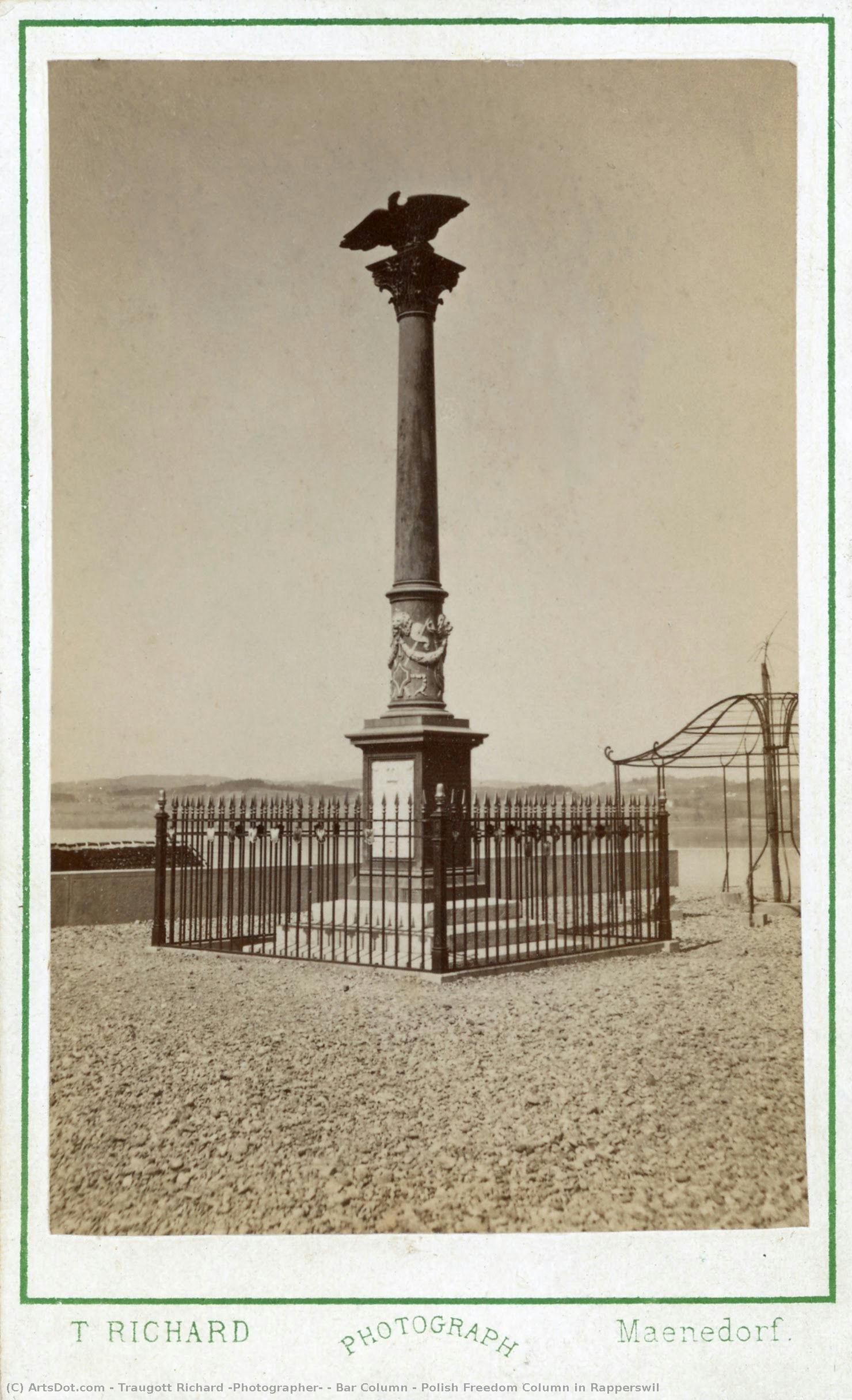
Bar Column / Polish Freedom Column in Rapperswil
 1868
1868 10.0 x 6.0 cm
 The Polish Museum in Rapperswil
 Read More
Purchase a high-resolution, enhanced digital image, far superior to the online preview.
Each file is meticulously prepared by our in-house specialists using advanced tools and expert manual retouching. We ensure every image has exceptional clarity, precise color accuracy, and fine detail.
The final file is delivered via email within 72 hours, optimized for immediate use in professional, editorial, and print environments. This is the same quality trusted by top-tier design studios, publishers, and galleries.
Digital Image
Download a high-resolution file for personal display, printing, and creative projects. ( Buy Print Buy Hand Made Painting)
Included in Every Digital Image Order
Expert Digital Delivery, Guaranteed
When you choose ArtsDot.com, you're not just getting an image - you're receiving a professionally enhanced digital artwork, crafted with precision and backed by a satisfaction guarantee. Here's everything that comes with your order, automatically:

Fast Email Delivery
Your high-resolution digital image file will be emailed to you within 72 hours of ordering - ready for immediate use.

AI-Enhanced Digital File
Your artwork is professionally optimized using advanced AI tools and manual editing, ensuring maximum detail, clarity, and color accuracy.

Free Lifetime Re-Delivery
Accidentally deleted or lost your file? No worries - we'll resend it to you anytime, free of charge.

No Import Fees - Ever
Enjoy your artwork instantly with zero customs, duties, or delivery fees - digital downloads are always tax-free.

Color Accuracy Guarantee
We ensure your digital image reflects the original colors as closely as possible using professional tools and color management.

60-Day Satisfaction Guarantee
If you're not satisfied with your digital image, we'll revise it or refund 100% within 60 days - no questions asked.

100% Money-Back Guarantee
Not satisfied? Get a full refund within 60 days of receiving your digital file - no questions asked.

Bulk Order Discounts
Buy 3 images, save 10% - Buy 5, save 15% - Buy 10+, save 20%. Great for creative projects, galleries, and agencies.
Related Artworks









Artist Biography
William McTaggart: Bridging Impressionism and the Scottish Landscape
Born in 1835 in the remote village of Aros, on the windswept Kintyre peninsula of Scotland, William McTaggart’s artistic journey was profoundly shaped by his upbringing amidst the rugged beauty of the Atlantic coast. His early life, steeped in the traditions of a crofter’s family, instilled within him a deep connection to nature – a sentiment that would become the cornerstone of his lifelong work. McTaggart wasn't merely an observer of the landscape; he was an interpreter, striving to capture not just its visual appearance but also the very essence of its spirit and the human relationship with it. This ambition led him away from the conventional academic training prevalent at the time, ultimately forging a unique artistic path influenced by the burgeoning Impressionist movement while firmly rooted in his Scottish heritage.
McTaggart’s formal art education began at the Trustees' Academy in Edinburgh, where he honed his skills under Robert Scott Lauder. However, it was his subsequent travels through Europe – particularly his extended studies in Spain and Italy – that proved transformative. These experiences exposed him to the vibrant colors and fleeting effects of light championed by Impressionist painters like Monet and Renoir. He meticulously studied the techniques of these masters, adapting their methods to suit the dramatic lighting conditions and atmospheric qualities of the Scottish Highlands and coastline. Returning to London in 1860, he quickly established himself within the artistic circles of the time, exhibiting at the Royal Academy and gaining recognition for his evocative depictions of the natural world.
- Early Works: Figures and Portraits Initially, McTaggart’s paintings focused on figures – often children – rendered with a delicate sensitivity. He also produced numerous portraits, demonstrating an early aptitude for capturing personality and emotion.
- The Influence of Impressionism His time in Italy ignited a passion for capturing the ephemeral qualities of light and color, leading him to experiment with looser brushstrokes and brighter palettes.
- Scottish Landscapes: A Distinctive Style McTaggart’s most celebrated works are undoubtedly his landscapes – particularly those depicting the dramatic coastline of Kintyre and the Moorfoot Hills near Edinburgh. These paintings are characterized by a dynamic use of color, a sense of movement, and an intimate understanding of atmospheric effects.
The Painterly Process: Light, Color, and Observation
McTaggart’s artistic process was deeply rooted in direct observation and a commitment to capturing the fleeting qualities of light. He frequently painted *en plein air* – directly from nature – allowing him to respond intuitively to changing conditions. This approach is evident in his masterful depictions of the sea, where he skillfully rendered the shimmering surface of the water, the shifting hues of the sky, and the dramatic interplay of light and shadow. He wasn’t interested in creating photographic representations; instead, he sought to convey the *feeling* of a particular moment in time – the warmth of the sun on his skin, the salty tang of the sea air, the vastness of the landscape.
His use of color was particularly noteworthy. McTaggart moved away from the muted tones favored by academic painters, embracing a brighter, more vibrant palette inspired by Impressionism. He employed broken brushstrokes and juxtaposed complementary colors to create a sense of luminosity and depth. Furthermore, he meticulously studied the effects of atmospheric perspective, using subtle variations in color and tone to suggest distance and recession. His paintings are not simply representations of landscapes; they are carefully constructed visual experiences designed to evoke a profound emotional response.
A Scottish Impressionist: Recognition and Legacy
Despite his artistic merits, McTaggart’s work was initially met with mixed reactions from the established art world. His unconventional style – characterized by its loose brushwork, vibrant colors, and emphasis on atmospheric effects – challenged traditional notions of landscape painting. However, over time, he gained increasing recognition for his unique vision and technical skill. He became a full academician of the Royal Academy in 1878, solidifying his place within the British art establishment.
McTaggart’s influence extended beyond his own lifetime. He is now widely regarded as one of Scotland's most important landscape painters and a key figure in the development of Impressionism in Britain. His paintings are celebrated for their beauty, emotional intensity, and masterful depiction of the Scottish landscape. His legacy continues to inspire artists today, demonstrating the power of direct observation, intuitive expression, and a deep connection to nature.
Later Years and Artistic Contributions
In 1875, McTaggart relocated to Pau in southwestern France, seeking inspiration from the region’s dramatic coastal scenery. He established an atelier where he continued to paint, producing works that showcased his evolving style and deepening understanding of light and color. His later paintings often depicted scenes of the Pyrenees Mountains and the surrounding coastline, reflecting his lifelong fascination with the natural world.
Beyond his painting practice, McTaggart made significant contributions to the Royal Academy as its Librarian and Curator of the Painted Hall at Greenwich. He also mentored several young artists, including James Campbell Noble, ensuring that his artistic principles and techniques were passed on to future generations. William McTaggart’s life and work stand as a testament to the enduring power of observation, imagination, and a profound love for the beauty of the Scottish landscape.
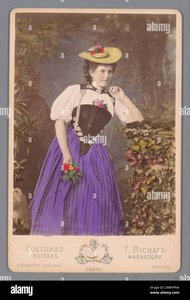
traugott richard (photographer)
1835 - 1903 , Switzerland
Quick Facts
- Artistic Movement Or Style: Landscape/Marine Impressionism
- Artists Or Movements Influenced By This Artist: ['Scottish Impressionism']
- Artists Who Influenced This Artist:
- Constable
- Turner
- Date Of Birth: 1835-10-25
- Date Of Death: 1910-04-02
- Full Name: William McTaggart
- Nationality: Scottish
- Notable Artworks:
- Paysage Pyreneen
- La Promenade de Montauban
- Place Of Birth: Aros, Argyll and Bute

