 Preview
 Send
Send Share
Share
 Details

 Download
 Similars
 X-Ray
X-Ray Diaporama
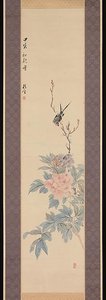
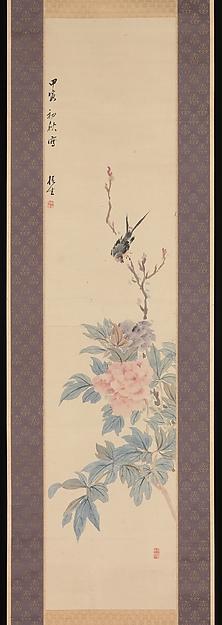
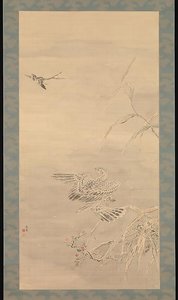
Peony and Swallow
 1854
1854 130.0 x 29.0 cm
 Read More
Hand Made Oil Reproduction
Hand-painted oil on canvas in your size and frame, made to order by our artists. ( Buy Print Buy Image)




































Pick from our preset sizes that match the artwork's original proportions.

You may enter your own dimensions to fit a specific frame or space. If your selected size does not match the original image's proportions, we will either crop the artwork or extend the painting with additional hand-painted elements. A digital mockup will be sent for your approval before production begins.
Please note that the on-screen preview does not reflect the actual cropping or extension. Only the mockup will accurately show the final composition.
While custom sizes are available, we recommend selecting a dimension from the predefined list to preserve the original proportions.
After order, ArtsDot.com team will email client for instructions and provide a mockup preview
Worldwide Delivery () in 3/4 weeks instead of standard 5 weeks. (20 August). No compromise on quality.

Free Worldwide Express Shipping

High-Quality Linen Canvas

Full Shipping Insurance

Customs Tax Refund Guarantee

True Color Matching Guarantee

60-Day Return Policy (Defects Only)

100% Money-Back Guarantee

Bulk Discount Offer
 Glass option is only available in size under 110 CM

Peony and Swallow
Reproduction Medium
Reproduction Size
-


Total Price
$ 263
Related Artworks

Artist Biography
Tsubaki Chinzan: A Master of Serene Landscapes and Symbolic Peonies
Tsubaki Chinzan (椿 椿山, 1801-1854), originally known as Tasuku, stands as a pivotal figure in late Edo period Japanese painting, specifically within the Nanga school. His legacy rests primarily on his exquisite depictions of peonies and serene landscapes—works imbued with a quiet beauty and profound symbolic depth. Born into a samurai family serving the Tokugawa Shogunate, Chinzan’s life was shaped by both martial tradition and an unexpected passion for art, ultimately leading him to become one of Japan's most celebrated floral painters.
Chinzan’s early life was marked by upheaval. His father, a retainer in the Shogunate, died when he was only seven years old, thrusting him into a complex familial arrangement and requiring him to embrace the samurai path. He received training in swordsmanship, horsemanship, and other martial arts—skills that would later inform his disciplined approach to painting. However, despite this rigorous upbringing, Chinzan harbored a deep-seated desire for artistic expression, recognizing it as a means of personal fulfillment and a way to honor his father’s memory. To supplement his income, he began studying painting under various masters, initially Kaneko Kinryō, then Tani Bunchō, and finally, the most influential figure in his career: Watanabe Kazan.
Kazan, a renowned master of the Nanga school, profoundly shaped Chinzan’s artistic development. He instilled in him not only technical proficiency but also a deep appreciation for the principles of Chinese landscape painting—particularly the Shanshui style, characterized by its emphasis on capturing the essence of nature through subtle brushwork and evocative atmosphere. Kazan's influence is evident throughout Chinzan’s oeuvre, particularly in his masterful use of ink washes to create atmospheric depth and convey a sense of tranquility. Following Kazan’s imprisonment and subsequent death, Chinzan continued to refine his technique and develop his unique artistic voice, incorporating elements of Western perspective while remaining firmly rooted in traditional Japanese aesthetics.
The Art of Peony and Landscape
Chinzan's most celebrated works are undoubtedly his depictions of peonies. These magnificent blooms, deeply symbolic in Japanese culture—representing wealth, honor, beauty, and longevity—became the cornerstone of his artistic practice. He meticulously studied their intricate forms, capturing not just their outward appearance but also the subtle nuances of their color, texture, and fragrance. His peony paintings are renowned for their delicate brushwork, vibrant colors, and a remarkable ability to convey both the ephemeral beauty of the flower and its underlying symbolic significance.
Alongside his peony series, Chinzan produced a substantial body of landscape paintings—often featuring bamboo groves, mountains, rivers, and birds. These works are characterized by their serene atmosphere, meticulous attention to detail, and a masterful use of ink washes to create a sense of depth and perspective. He frequently incorporated elements of Chinese landscape painting into his compositions, employing techniques such as atmospheric perspective and the use of negative space to evoke a feeling of vastness and tranquility. His landscapes are not merely representations of nature; they are carefully constructed meditations on beauty, harmony, and the interconnectedness of all things.
Technique and Style
Chinzan’s artistic style is defined by a remarkable blend of traditional Japanese techniques and subtle influences from Western art. He was particularly adept at utilizing *sumi-e*, the monochrome ink wash painting technique, to create atmospheric depth and convey a sense of mood. His brushwork is characterized by its fluidity, precision, and sensitivity—reflecting his years of dedicated practice. He employed a meticulous approach to layering ink washes, building up textures and tones gradually to achieve a remarkable level of detail and realism.
While deeply rooted in the Shanshui tradition, Chinzan’s work also demonstrates an awareness of Western perspective—a relatively new concept in Japanese painting at the time. He skillfully used linear perspective to create a sense of depth and spatial relationships within his compositions, though he never abandoned the fundamental principles of Chinese landscape painting. His paintings are not simply copies of Western techniques; they represent a thoughtful synthesis of Eastern and Western artistic traditions.
Legacy and Historical Significance
Tsubaki Chinzan’s work holds significant historical importance as one of the last major figures in the Nanga school to bridge the gap between traditional Japanese painting and the emerging influences of Western art. His meticulous attention to detail, his profound understanding of symbolism, and his masterful use of ink washes have earned him a place among Japan's most celebrated floral painters.
His paintings are now held in prestigious collections around the world—including the Metropolitan Museum of Art, the Tochigi Prefectural Museum of Fine Arts, and the Seattle Art Museum—testament to their enduring beauty and artistic merit. Chinzan’s legacy continues to inspire artists today, demonstrating the power of art to capture both the fleeting beauty of nature and the profound depths of human experience.
Key Works: *Small Birds on a Willow Branch and Hibiscus Blossoms*, *Small Bird on a Crepe Myrtle Branch*, *Hawk Grasping a Small Bird*
tsubaki chinzan
1801 - 1854
Quick Facts
- Artistic Movement Or Style: Nanga, Shanshui
- Artists Or Movements Influenced By This Artist: ['Chinese Qing Dynasty']
- Artists Who Influenced This Artist:
- Kaneko Kinryō
- Tani Buncho
- Watanabe Kazan
- Date Of Birth: 1801-07-14
- Date Of Death: 1854-08-06
- Full Name: Tsubaki Chinzan
- Nationality: Japanese
- Notable Artworks:
- Small Birds on Willow
- Hawk Grasping a Bird
- Peony and Swallow
- Place Of Birth: Edo (Tokyo)