 Preview
 Send
Send Share
Share
 Details

 Download
 Similars
 X-Ray
X-Ray Diaporama
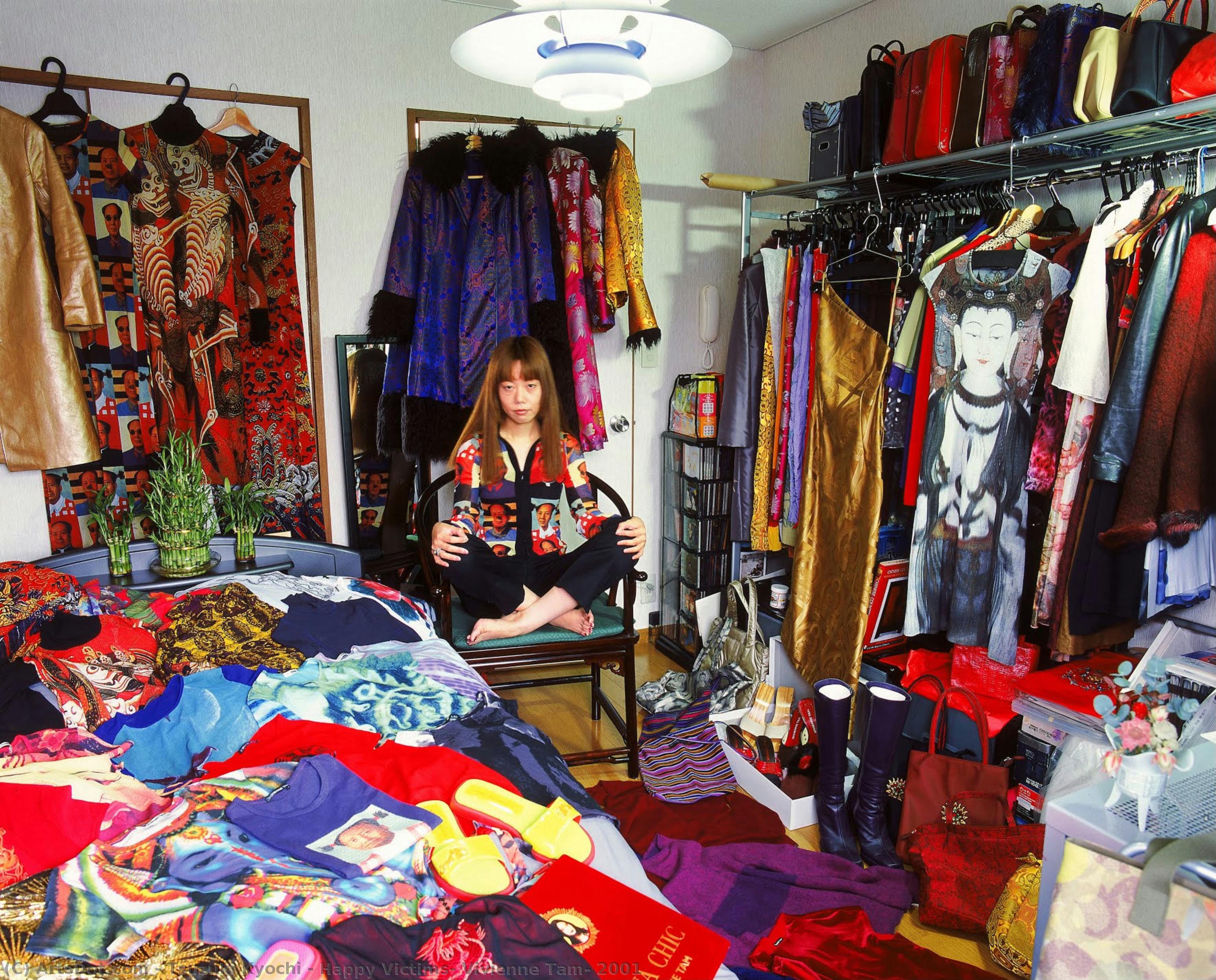
Happy Victims: Vivienne Tam, 2001
 120.0 x 137.0 cm
 Read More
Giclée / Art Print
Museum-quality giclée or canvas print with fast production and flexible finish options. ( Buy Hand Made Painting Buy Image)




































Pick from our preset sizes that match the artwork's original proportions.

You may enter your own dimensions to fit a specific frame or space. If your selected size does not match the original image's proportions, we will either crop the artwork or extend the image with a mirrored or solid-fill edge. A digital mockup will be sent for your approval before production begins.
Please note that the on-screen preview does not reflect the actual cropping or extension. Only the mockup will accurately show the final composition.
While custom sizes are available, we recommend selecting a dimension from the predefined list to preserve the original proportions.
Worldwide Delivery () in 2 weeks instead of standard 4/5 weeks. (26 August)

Free Worldwide Express Shipping

High-Quality Linen Canvas

Full Shipping Insurance

Customs Tax Refund Guarantee

True Color Matching Guarantee

60-Day Return Policy (Defects Only)

100% Money-Back Guarantee

Bulk Discount Offer
 Glass option is only available in size under 110 CM

Happy Victims: Vivienne Tam, 2001
Giclée / Art Print
Reproduction Size
-


Total Price
$ 63
Collectible Description
Related Artworks










Artist Biography
Early Life and Editorial Roots
Born in Tokyo in 1956, Kyoichi Tsuzuki’s path to becoming a celebrated photographer and publisher wasn't conventional. He didn’t emerge from the formal structures of art school but rather from the vibrant, rapidly evolving world of Japanese magazine culture. For much of the 1970s and 80s, he worked as a freelance editor for two hugely influential publications: Popeye and Brutus. These weren’t simply fashion magazines; they were cultural touchstones, reflecting and shaping youth culture with their insightful coverage of modern art, architecture, design, and the nuances of urban living. This period proved formative, instilling in Tsuzuki a keen eye for detail, an ability to identify emerging trends, and a deep understanding of how images communicate meaning.
His role wasn’t limited to simply commissioning work; he actively wrote articles himself, developing a distinctive voice that blended observation, personal reflection, and a subtle critique of societal norms. This editorial experience fostered a desire to move beyond the constraints of established media and explore his own creative vision—a vision rooted in capturing the often-overlooked realities of everyday life.
The ‘Art Random’ Project and Early Photographic Explorations
By the late 1980s, Tsuzuki began to carve out his own path. From 1989 to 1992, he embarked on an ambitious project titled Art Random, a series of 102 volumes dedicated to contemporary artists. This wasn’t a traditional art historical survey; it was a deliberately eclectic and personal exploration of the global art scene, reflecting his own interests and challenging conventional hierarchies. It signaled a shift from curating the work of others to actively creating his own.
This period also marked the beginning of Tsuzuki's photographic journey. He began documenting the spaces around him—not grand museums or iconic landmarks, but the intimate interiors of Tokyo apartments. These weren’t staged or idealized settings; they were messy, cluttered, and deeply personal reflections of the lives lived within them. His 1993 photobook, Tokyo Style, became a seminal work, offering a raw and unfiltered glimpse into the realities of urban life at a pivotal moment in Japanese culture—a counterpoint to the rising tide of minimalism embodied by brands like Muji.
Roadside Japan and Beyond: A Unique Aesthetic
The publication of Roadside Japan in 1996 (serialized from 1993-1996 in SPA!) cemented Tsuzuki’s reputation as a unique photographic voice. This project involved extensive travel throughout the Japanese countryside, seeking out unconventional subjects—quirky roadside attractions, forgotten landscapes, and the often-eccentric individuals who inhabited them. It wasn't about finding beauty in pristine environments but rather embracing the unexpected and celebrating the charm of the overlooked.
Tsuzuki’s work is characterized by a distinctive aesthetic: a willingness to embrace color, a focus on capturing fleeting moments, and an ability to find poetry in the mundane. He doesn't shy away from imperfection; instead, he celebrates it as an integral part of the human experience. His photographs aren’t simply representations of reality but rather evocative interpretations that invite viewers to question their own perceptions.
Legacy and Continued Influence
Kyoichi Tsuzuki continues to work prolifically today, publishing numerous books on a diverse range of subjects—from love hotels and decorative African coffins to wax museums and sex museums. His work consistently challenges conventional notions of taste and explores the boundaries between high art and popular culture.
He has exhibited his work internationally and is held in the collections of major institutions, including the Museum of Modern Art in New York and the Tokyo Metropolitan Museum of Photography. Beyond his photographic output, Tsuzuki’s influence extends to his role as a publisher and writer, fostering a vibrant community of artists and thinkers. He remains a vital figure in contemporary Japanese art, inspiring a new generation of photographers and challenging them to look beyond the margins and embrace the complexities of everyday life.
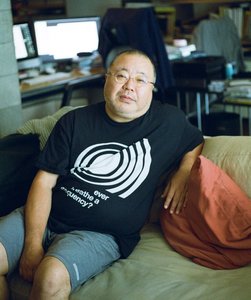
tsuzuki kyochi
1964 - , Japan
Quick Facts
- Artistic Movement Or Style: Urban Photography
- Date Of Birth: 1964
- Full Name: Kyochi Tsuzuki
- Nationality: Japanese
- Notable Artworks: ['Happy Victims: Vivienne Tam']
- Place Of Birth: Tokyo, Japan