

 Preview
 Send
Send Share
Share
 Details

 Download
 Similars
 X-Ray
X-Ray Diaporama
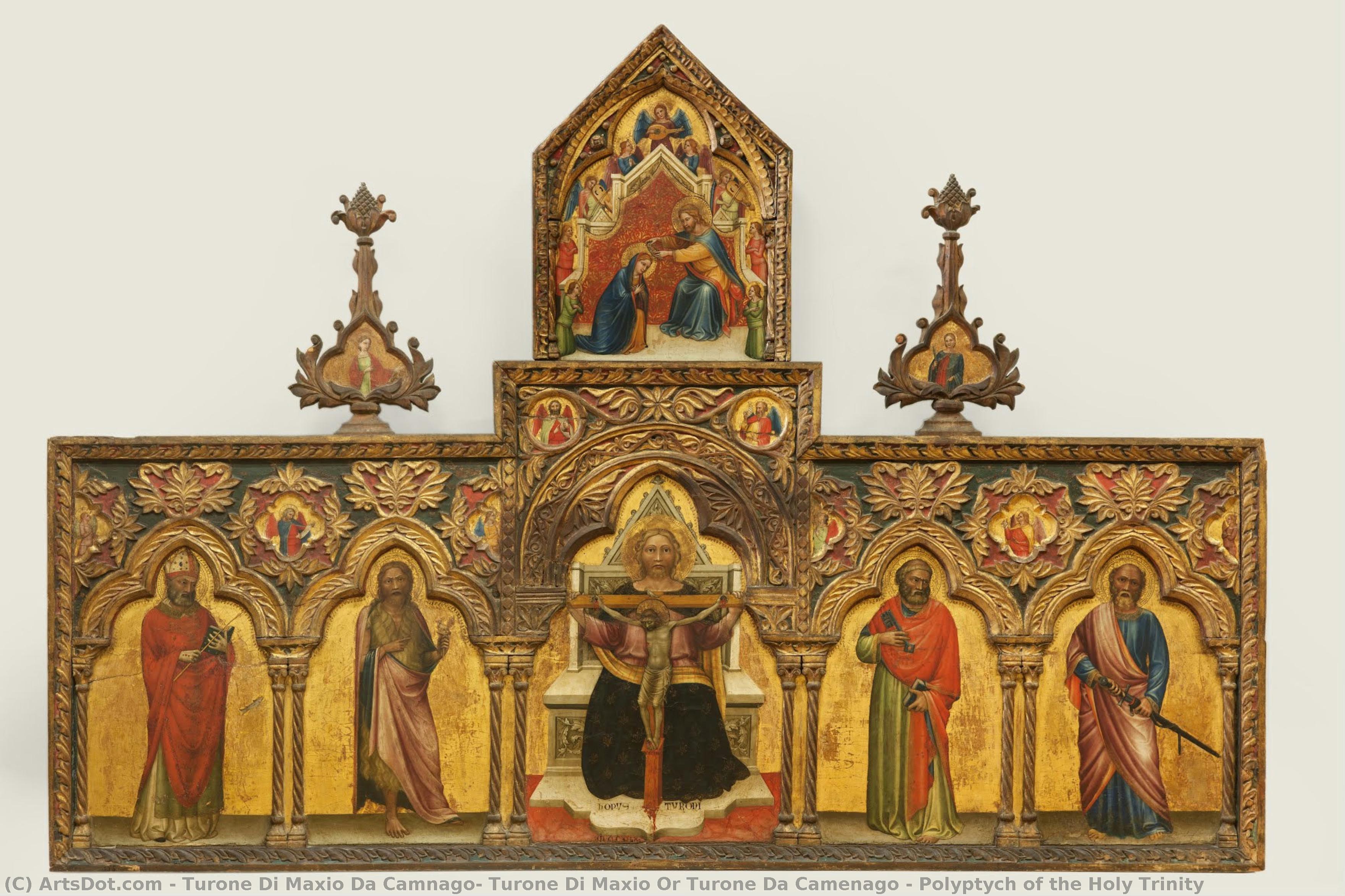
Polyptych of the Holy Trinity


 Read More
Purchase a high-resolution, enhanced digital image, far superior to the online preview.
Each file is meticulously prepared by our in-house specialists using advanced tools and expert manual retouching. We ensure every image has exceptional clarity, precise color accuracy, and fine detail.
The final file is delivered via email within 72 hours, optimized for immediate use in professional, editorial, and print environments. This is the same quality trusted by top-tier design studios, publishers, and galleries.
Digital Image
Download a high-resolution file for personal display, printing, and creative projects. ( Buy Print Buy Hand Made Painting)
Included in Every Digital Image Order
Expert Digital Delivery, Guaranteed
When you choose ArtsDot.com, you're not just getting an image - you're receiving a professionally enhanced digital artwork, crafted with precision and backed by a satisfaction guarantee. Here's everything that comes with your order, automatically:

Fast Email Delivery
Your high-resolution digital image file will be emailed to you within 72 hours of ordering - ready for immediate use.

AI-Enhanced Digital File
Your artwork is professionally optimized using advanced AI tools and manual editing, ensuring maximum detail, clarity, and color accuracy.

Free Lifetime Re-Delivery
Accidentally deleted or lost your file? No worries - we'll resend it to you anytime, free of charge.

No Import Fees - Ever
Enjoy your artwork instantly with zero customs, duties, or delivery fees - digital downloads are always tax-free.

Color Accuracy Guarantee
We ensure your digital image reflects the original colors as closely as possible using professional tools and color management.

60-Day Satisfaction Guarantee
If you're not satisfied with your digital image, we'll revise it or refund 100% within 60 days - no questions asked.

100% Money-Back Guarantee
Not satisfied? Get a full refund within 60 days of receiving your digital file - no questions asked.

Bulk Order Discounts
Buy 3 images, save 10% - Buy 5, save 15% - Buy 10+, save 20%. Great for creative projects, galleries, and agencies.
Collectible Description
Related Artworks






Artist Biography
Turone di Maxio da Camnago: A Venetian Pioneer
Turone di Maxio, often referred to as Turone da Camenago or simply Turone, stands as a pivotal figure in the development of Venetian painting during the latter half of the 14th century. Born in Lombardy – specifically around Milan or Verona – he established himself as a prominent artist within the Veronese region, leaving behind a legacy that bridged the Gothic traditions of his origins with the burgeoning innovations of the nascent Venetian Renaissance. While overshadowed by later masters like Altichiero da Zevio, Turone’s work represents an essential stepping stone in the evolution of Venetian art, demonstrating a bold reimagining of Giotto's teachings and laying the groundwork for the city’s future artistic dominance. His distinctive style is characterized by a dynamic approach to composition, vibrant color palettes, and a profound understanding of human emotion – elements that distinguish him as one of Verona’s most important painters before Altichiero’s ascendance.Early Life and Influences
Information regarding Turone's early life remains remarkably scarce, shrouded in the mists of historical record. Contemporary documents suggest he was born around 1356, with his origins firmly rooted in Lombardy – specifically Milan or Verona. A key document from 1356 identifies him as “Turonem quondam domini Maxii de Camenago diocexis Mediolanensis et nunc habitantem Verone,” translating to "Turone, formerly lord of Maxio da Camnago, belonging to the diocese of Milan and now residing in Verona." This reveals a recent migration from Lombardy to Verona, marking the beginning of his artistic career. His formative years likely involved exposure to the Gothic traditions prevalent throughout Northern Italy, particularly the influence of the International Gothic style. However, Turone’s true debt lies with Giotto di Bondone, whose revolutionary approach to perspective and naturalism profoundly impacted Venetian artists. The document from 1360 also indicates his involvement in a legal matter, suggesting an established presence within Veronese society.A Giottesque Revival: Style and Technique
Turone’s artistic style is most notably defined by his deliberate and expressive reinterpretation of Giotto's lessons. He didn’t simply mimic Giotto; instead, he amplified the emotional intensity and dramatic dynamism that characterized the Florentine master’s work. This can be seen particularly in his frescoes, where figures are rendered with a heightened sense of movement and psychological depth. His use of color is equally striking – bold, saturated hues employed to convey emotion and create visual impact. A prime example of this approach is his crucifixion scene at San Fermo Maggiore in Verona, which departs from the more restrained depictions common in earlier Gothic art. The figures are imbued with a palpable sense of suffering and drama, reflecting Turone’s commitment to capturing the essence of human experience. He skillfully employed tempera on panel as his primary medium, allowing for rich colors and detailed rendering – techniques that were central to his distinctive style.Major Works and Legacy
Turone's artistic output, though relatively limited, comprises several significant works that illuminate his creative vision. The ‘Polyptych of the Holy Trinity’ (c. 1360), housed in the Castelvecchio Museum in Verona, stands as perhaps his most celebrated achievement. This complex polyptych showcases Turone’s mastery of composition and his ability to integrate multiple narratives within a single framework. Other notable works include the crucifixion fresco at San Fermo Maggiore, demonstrating his dramatic flair; and the ‘Last Judgment’ in the church of San Anastasia, further showcasing his expressive style. His miniature work also deserves mention, with documented activity dating back to 1387. Turone's influence extends beyond his individual creations; he is considered a crucial precursor to the Venetian Renaissance, paving the way for artists like Altichiero da Zevio and ultimately shaping the distinctive character of Venetian painting. He represents a vital link between the Gothic past and the burgeoning artistic innovations that would define the city’s future.Historical Significance
Turone di Maxio's place in art history is secured not by fame or extensive output, but by his pioneering spirit. He was one of the first to fully embrace Giotto’s revolutionary approach within the Venetian context, adapting it to suit the regional aesthetic and laying the groundwork for a new artistic language. His work demonstrates a crucial transition – moving away from the more stylized conventions of Gothic art towards the naturalism and emotional depth that would characterize the Venetian Renaissance. While often overshadowed by his contemporaries, Turone’s legacy as a key figure in the development of Venetian painting is undeniable, solidifying his position as a significant artist of the 14th century.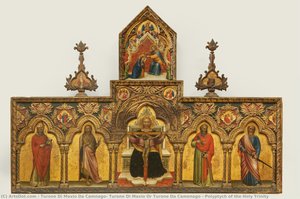
Quick Facts
- Artistic Movement Or Style: Gothic, Venetian-Paduan
- Artists Or Movements Influenced By This Artist: ['Venetian Renaissance']
- Artists Who Influenced This Artist: ['Giotto']
- Date Of Birth: c. 1356 – c. 1390
- Full Name: Turone di Maxio da Camnago
- Nationality: Italian
- Notable Artworks:
- Holy Trinity polyptych
- Crucifixion (San Fermo Maggiore)
- Last Judgment (San Anastasia)
- Place Of Birth: Lombardy, Italy

