 Preview
 Send
Send Share
Share
 Details

 Download
 Similars
 X-Ray
X-Ray Diaporama
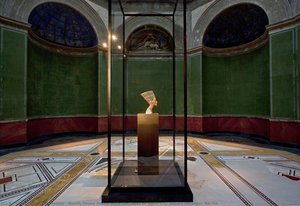
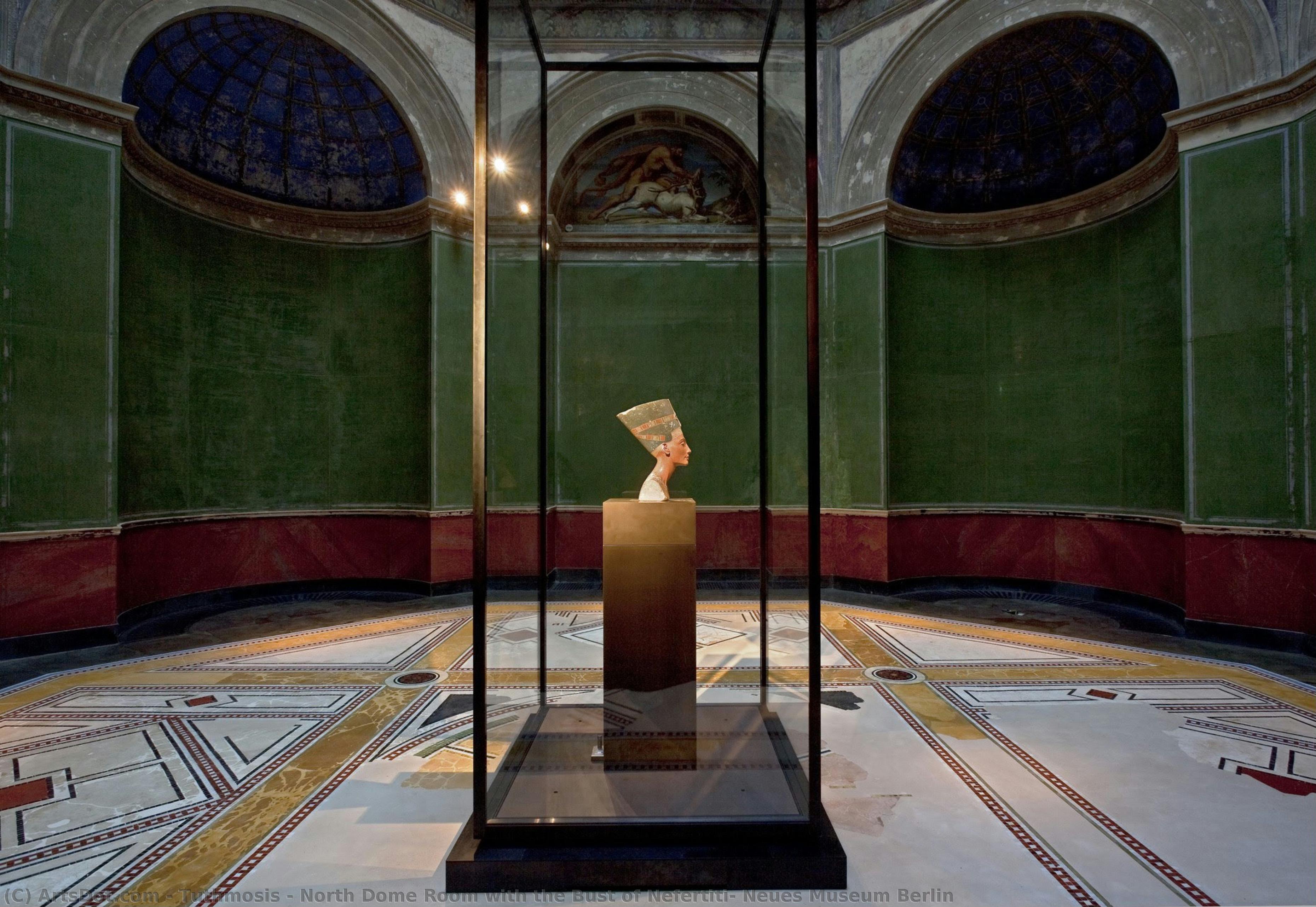
North Dome Room with the Bust of Nefertiti, Neues Museum Berlin


 Read More
Hand Made Oil Reproduction
Hand-painted oil on canvas in your size and frame, made to order by our artists. ( Buy Print Buy Image)




































Pick from our preset sizes that match the artwork's original proportions.

You may enter your own dimensions to fit a specific frame or space. If your selected size does not match the original image's proportions, we will either crop the artwork or extend the painting with additional hand-painted elements. A digital mockup will be sent for your approval before production begins.
Please note that the on-screen preview does not reflect the actual cropping or extension. Only the mockup will accurately show the final composition.
While custom sizes are available, we recommend selecting a dimension from the predefined list to preserve the original proportions.
After order, ArtsDot.com team will email client for instructions and provide a mockup preview
Worldwide Delivery () in 3/4 weeks instead of standard 5 weeks. (17 August). No compromise on quality.

Free Worldwide Express Shipping

High-Quality Linen Canvas

Full Shipping Insurance

Customs Tax Refund Guarantee

True Color Matching Guarantee

60-Day Return Policy (Defects Only)

100% Money-Back Guarantee

Bulk Discount Offer
 Glass option is only available in size under 110 CM

North Dome Room with the Bust of Nefertiti, Neues Museum Berlin
Reproduction Medium
Reproduction Size
-


Total Price
$ 263
Artwork Description
Related Artworks
Artist Biography
The Enduring Majesty of Tuthmosis: Sculptor of the Amarna Age
Tuthmosis, a name synonymous with the golden age of ancient Egypt, was born in Amarna around 1340 BC – a pivotal period marked by radical artistic and religious upheaval. More than just an artist, he stands as a key figure in capturing the essence of the reign of Akhenaten, a pharaoh who dared to challenge centuries of tradition and usher in a new era centered on the worship of the sun god Aten. His legacy is inextricably linked with the iconic image of Queen Nefertiti, a sculpture that continues to captivate audiences worldwide and serves as a testament to his unparalleled skill and artistic vision.A Sculptor Forged in Revolution
Tuthmosis’s life unfolded during a time of dramatic transformation within Egypt's political and religious landscape. Akhenaten, abandoning the established pantheon of Egyptian gods, moved the capital from Thebes to Amarna – a newly constructed city dedicated solely to Aten. This shift profoundly impacted art, leading to a departure from the rigid conventions of previous dynasties. Sculptures became more naturalistic, figures were depicted with softer features and flowing lines, and an emphasis was placed on portraying emotion and intimacy. Tuthmosis, deeply immersed in this revolutionary artistic climate, quickly rose to prominence as one of Akhenaten’s most trusted sculptors. His work reflects not only the pharaoh's innovative vision but also a burgeoning sense of realism previously unseen in Egyptian art.The Nefertiti Bust: A Masterpiece of Form and Symbolism
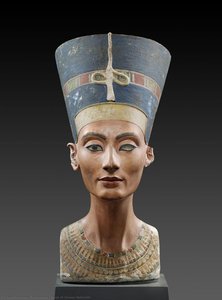
Perhaps Tuthmosis’s most celebrated achievement is undoubtedly the magnificent Bust of Queen Nefertiti, completed around 1340 BC. This limestone sculpture, housed within the Neues Museum in Berlin, is a breathtaking example of Amarna art at its finest. The bust's elongated neck, delicately arched eyebrows, and serene expression have become instantly recognizable symbols of ancient Egypt. Beyond its aesthetic beauty, however, the Nefertiti Bust carries profound symbolic weight. It represents Nefertiti herself – Akhenaten’s Great Royal Wife – as a divine figure embodying the power and grace of Aten. The sculpture's smooth surfaces and subtle details suggest an unprecedented level of intimacy and understanding of the human form, reflecting the artistic ideals championed by Tuthmosis and his contemporaries.Technique and Materials: Echoes of Amarna
Tuthmosis’s mastery lay not only in capturing likeness but also in skillfully manipulating stone. He primarily worked with fine-grained limestone, a material readily available in the quarries surrounding Amarna. His technique involved meticulous carving, utilizing sharp chisels and abrasives to achieve astonishing detail. The surfaces of his sculptures were often polished to a luminous sheen, enhancing their visual impact. The use of *sgraffito*, a technique involving scratching designs into the surface of the stone with pointed tools, allowed for intricate detailing and patterns – a hallmark of Amarna art. Furthermore, Tuthmosis’s understanding of light and shadow contributed significantly to the three-dimensionality of his sculptures, creating a sense of depth and realism that was revolutionary for its time.Legacy and Historical Significance
Though Tuthmosis died around 1300 BC, his influence on Egyptian art endures. The Amarna period, largely due to the work of artists like Tuthmosis, marked a significant departure from traditional artistic conventions, paving the way for subsequent developments in sculpture and portraiture. While Akhenaten’s reforms were ultimately short-lived after his death, the artistic innovations he fostered continued to resonate throughout Egyptian history. The Nefertiti Bust, in particular, remains one of the most recognizable and beloved works of ancient art, a powerful symbol of beauty, power, and the enduring legacy of Tuthmosis – a sculptor who captured the spirit of a revolutionary age.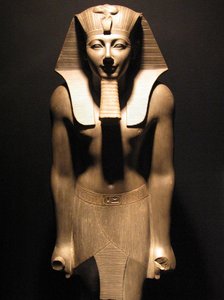
tuthmosis
1340 - 1300 , Egypt
Quick Facts
- Artistic Movement Or Style: Amarna art style
- Date Of Birth: 1340
- Date Of Death: 1300
- Full Name: tuthmosis
- Nationality: Egyptian
- Notable Artworks:
- Bust of Queen Nefertiti
- King Akhenaten sculpture
- Place Of Birth: Amarna, Egypt
Related Articles

Bronze Sculptures That Defined Art History | ArtsDot
Journey through art history with our Top 10 bronze sculptures! Explore masterpieces by Rodin, Michelangelo & more. Discover stories behind iconic statues and find museum-quality reproductions for your home decor at ArtsDot.com.

The Enduring Form: Exploring Themes & Techniques in Sculpture Across Historical Periods
Explore the rich history of sculpture from ancient masterpieces to contemporary innovations. Discover key techniques, influential artists & investment potential for discerning art collectors.

Bronze Age to Modern Masters: 10 Sculptures That Redefined Art | ArtsDot
Journey through art history with 10 legendary bronze sculptures – from Michelangelo's David to Rodin’s Thinker. Explore the stories, techniques & timeless beauty of these masterpieces. Find museum-quality reproductions & elevate your home decor on ArtsDot.com.
The Enduring Form: Sculpture Across History, Technique & Emotional Resonance
Explore the rich history of sculpture with ArtsDot. Discover key techniques, influential artists & investment potential for discerning collectors. Expert insights into valuing and collecting timeless masterpieces.

The Enduring Allure of Marble in Art History: From Classical Sculpture to Modern Abstraction
Explore the captivating history of marble sculpture from ancient Greece to modern art. Discover renowned artists like Canova & Michelangelo, carving techniques, and investment insights at ArtsDot.