 Preview
 Send
Send Share
Share
 Details

 Download
 Similars
 X-Ray
X-Ray Diaporama
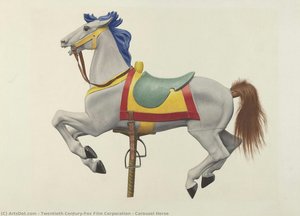
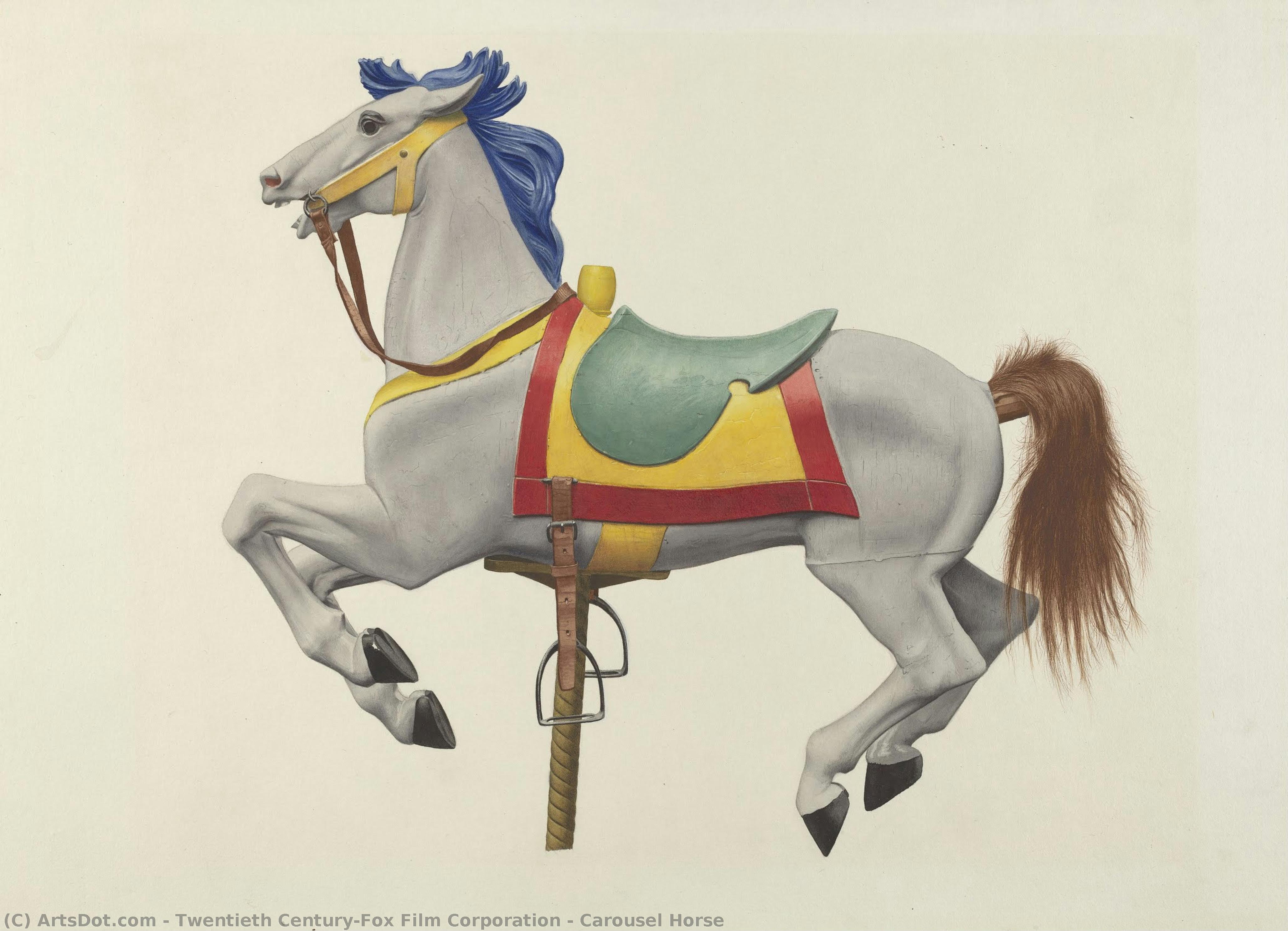
Carousel Horse
 1942
1942 35.0 x 47.0 cm
 Read More
Giclée / Art Print
Museum-quality giclée or canvas print with fast production and flexible finish options. ( Buy Hand Made Painting Buy Image)




































Pick from our preset sizes that match the artwork's original proportions.

You may enter your own dimensions to fit a specific frame or space. If your selected size does not match the original image's proportions, we will either crop the artwork or extend the image with a mirrored or solid-fill edge. A digital mockup will be sent for your approval before production begins.
Please note that the on-screen preview does not reflect the actual cropping or extension. Only the mockup will accurately show the final composition.
While custom sizes are available, we recommend selecting a dimension from the predefined list to preserve the original proportions.
Worldwide Delivery () in 2 weeks instead of standard 4/5 weeks. (29 August)

Free Worldwide Express Shipping

High-Quality Linen Canvas

Full Shipping Insurance

Customs Tax Refund Guarantee

True Color Matching Guarantee

60-Day Return Policy (Defects Only)

100% Money-Back Guarantee

Bulk Discount Offer
 Glass option is only available in size under 110 CM

Carousel Horse
Giclée / Art Print
Reproduction Size
-


Total Price
$ 63
Related Artworks










Artist Biography
The Cinematic Canvas: Exploring the Legacy of Twentieth Century-Fox Film Corporation
Twentieth Century-Fox Film Corporation, a name synonymous with Hollywood glamour and groundbreaking storytelling, represents more than just a studio; it embodies an evolving artistic force that has shaped the landscape of modern cinema for over eight decades. Unlike traditional artists who work within the confines of paint or sculpture, Twentieth Century-Fox’s medium is the collective imagination – brought to life through moving images, sound, and the collaborative efforts of countless creatives. Its origins lie in the merger of two ambitious entities: Darryl F. Zanuck's 20th Century Pictures and Joseph M. Schenck's Fox Film Corporation in 1935, a union that immediately positioned it as a major player in the Golden Age of Hollywood. This wasn’t simply an economic consolidation; it was a fusion of distinct artistic sensibilities – Zanuck’s penchant for gritty realism and socially conscious narratives blending with Schenck’s established network of stars and lavish productions.From Spectacle to Substance: The Early Years and Defining Genres
The early output of Twentieth Century-Fox, under the dynamic leadership of Zanuck, was characterized by a willingness to experiment and challenge conventions. While embracing popular genres like musicals – exemplified by Shirley Temple’s charming performances which captivated audiences during the Depression era – the studio also dared to tackle more complex themes. Films such as *The Grapes of Wrath* (1940), directed by John Ford, were revolutionary for their unflinching portrayal of social injustice and economic hardship, a bold move that distinguished Fox from its competitors who often favored escapism. This period saw the rise of iconic stars like Tyrone Power, Betty Grable, and Gene Tierney, each contributing to the studio’s distinctive brand of sophisticated entertainment. The development of Technicolor further enhanced their productions, creating visually stunning films that drew audiences into vibrant worlds. The studio wasn't afraid to pioneer new techniques in special effects and sound design, constantly pushing the boundaries of what was possible on screen. This commitment to technical innovation became a hallmark of the Fox aesthetic.Post-War Innovation and the Rise of Blockbusters
Following World War II, Twentieth Century-Fox continued to evolve, adapting to changing audience tastes and technological advancements. The 1950s witnessed the studio’s embrace of widescreen formats like CinemaScope, further immersing viewers in the cinematic experience. Alfred Hitchcock's collaborations with Fox – including *Gentleman's Agreement* (1947) and *Rear Window* (1954) – cemented the studio’s reputation for suspenseful thrillers and psychological dramas. The 1960s saw a shift towards more youth-oriented fare, reflecting the cultural upheaval of the decade. However, it was in the 1970s that Fox truly redefined itself with the emergence of the blockbuster phenomenon. *The French Connection* (1971), a gritty and realistic police procedural, garnered critical acclaim and commercial success, paving the way for films like *Jaws* (1975) – directed by Steven Spielberg – which became the first summer blockbuster and irrevocably changed the film industry. This period also saw the release of *Star Wars* (1977), a science fiction epic that launched a cultural phenomenon and established Fox as a leading force in genre filmmaking.A Legacy of Storytelling: Contemporary Cinema and Beyond
The success of *Star Wars* propelled Twentieth Century-Fox into the modern era, solidifying its position as one of Hollywood’s “Big Six” studios. The studio continued to nurture innovative filmmakers like James Cameron – whose *Aliens* (1986) and *Titanic* (1997) pushed the boundaries of visual effects and storytelling – and Ridley Scott, known for his visually arresting science fiction films such as *Blade Runner* (1982). In recent decades, Fox has expanded its franchises with successful series like *X-Men*, *Planet of the Apes*, and *Avatar*. The acquisition by Disney in 2019 marked a significant turning point, integrating Fox’s vast library and creative talent into the larger Disney ecosystem. Despite this change, the legacy of Twentieth Century-Fox – its commitment to bold storytelling, technical innovation, and star power – continues to resonate throughout contemporary cinema. The studio's impact extends beyond mere entertainment; it has shaped cultural conversations, influenced fashion trends, and provided a platform for diverse voices and perspectives. Twentieth Century-Fox’s enduring contribution lies in its ability to consistently create worlds that captivate audiences and leave a lasting impression on the collective imagination.Key Achievements & Historical Significance
- Pioneered Technicolor filmmaking, enhancing visual storytelling.
- Brought socially conscious dramas like *The Grapes of Wrath* to the mainstream.
- Launched the blockbuster era with *Jaws* and *Star Wars*.
- Nurtured groundbreaking directors such as Alfred Hitchcock, Steven Spielberg, James Cameron, and Ridley Scott.
- Established iconic franchises that continue to thrive today, including *X-Men*, *Planet of the Apes*, and *Avatar*.
- Consistently pushed the boundaries of special effects and sound design.
- Played a pivotal role in shaping the cultural landscape of the 20th and 21st centuries.

Quick Facts
- Artistic Movement Or Style: Film Production
- Date Of Death: Living
- Full Name: Twentieth Century-Fox Film Corporation