 Preview
 Send
Send Share
Share
 Details

 Download
 Similars
 X-Ray
X-Ray Diaporama
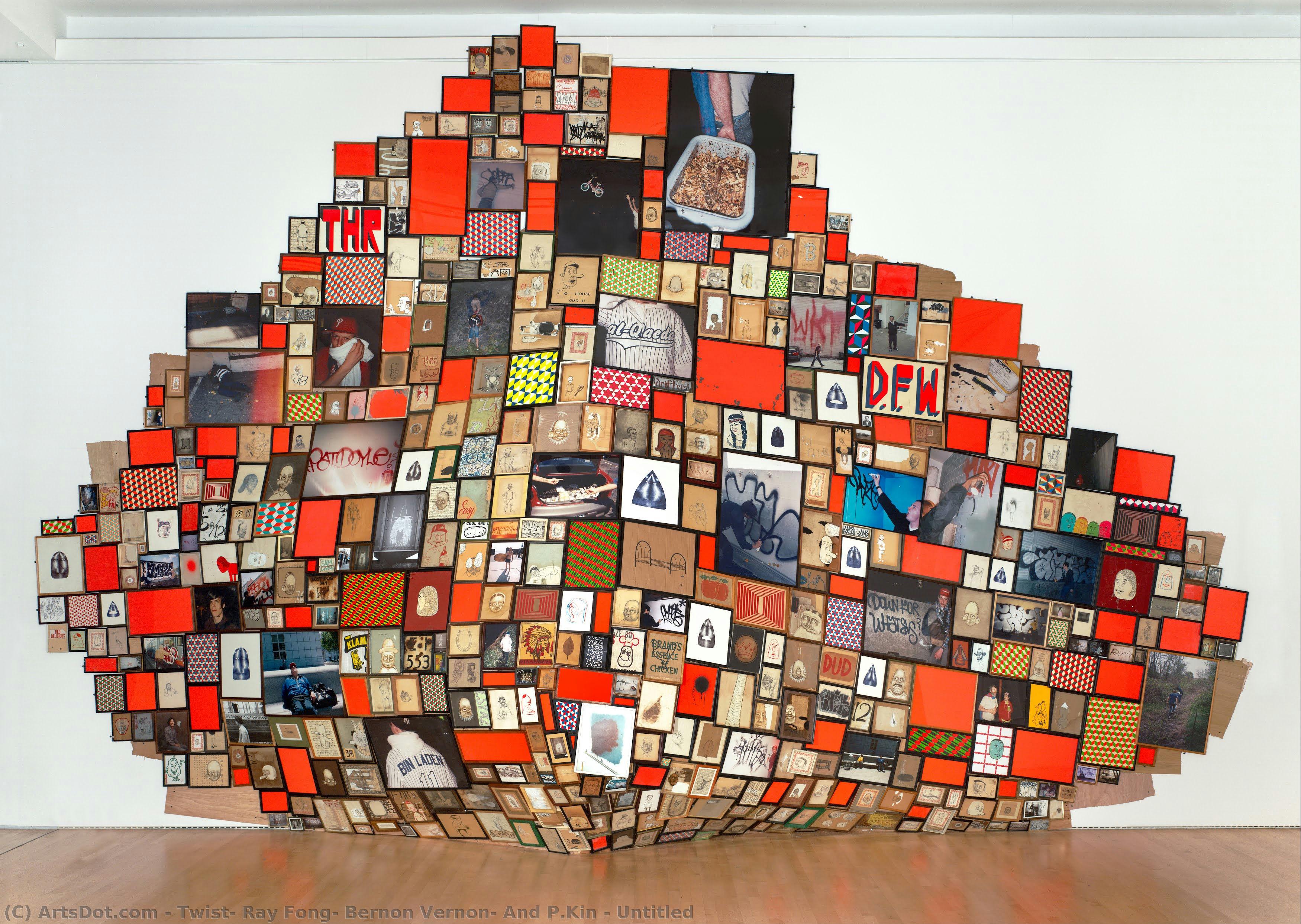
Untitled


 Read More
Giclée / Art Print
Museum-quality giclée or canvas print with fast production and flexible finish options. ( Buy Hand Made Painting Buy Image)




































Pick from our preset sizes that match the artwork's original proportions.

You may enter your own dimensions to fit a specific frame or space. If your selected size does not match the original image's proportions, we will either crop the artwork or extend the image with a mirrored or solid-fill edge. A digital mockup will be sent for your approval before production begins.
Please note that the on-screen preview does not reflect the actual cropping or extension. Only the mockup will accurately show the final composition.
While custom sizes are available, we recommend selecting a dimension from the predefined list to preserve the original proportions.
Worldwide Delivery () in 2 weeks instead of standard 4/5 weeks. (26 August)

Free Worldwide Express Shipping

High-Quality Linen Canvas

Full Shipping Insurance

Customs Tax Refund Guarantee

True Color Matching Guarantee

60-Day Return Policy (Defects Only)

100% Money-Back Guarantee

Bulk Discount Offer
 Glass option is only available in size under 110 CM

Untitled
Giclée / Art Print
Reproduction Size
-


Total Price
$ 63
Collectible Description
Related Artworks








Artist Biography
A Life Etched in Urban Space
Barry McGee, born in San Francisco in 1966, isn’t simply an artist; he is a chronicler of the city's soul, a visual poet whose work bleeds from the streets into galleries and museums. His story is one deeply intertwined with the evolution of public art, particularly within the vibrant, often overlooked corners of the Mission District. McGee didn’t emerge from a traditional artistic lineage but rather from the raw energy of skateboarding culture, graffiti subcultures, and the DIY ethos that permeated late 20th-century San Francisco. He is known by a constellation of monikers—Twist, Ray Fong, Bernon Vernon, P.Kin—each representing a facet of his multifaceted practice and a deliberate blurring of authorial boundaries. These aliases aren’t mere pseudonyms; they are distinct personalities inhabiting the same creative universe, allowing McGee to explore different stylistic avenues and engage with various communities without being confined by a single identity.From Freight Trains to Gallery Walls
McGee's artistic journey began not with canvases but with freight trains—a mobile gallery for his early graffiti explorations under the name Twist. This wasn’t about vandalism; it was an assertion of presence, a defiant act of claiming space in a world that often rendered marginalized voices invisible. The grayscale palette he favored initially spoke to this resistance, a stark contrast to the commercial vibrancy surrounding him. He studied painting and printmaking at the San Francisco Art Institute, but his most formative education came from the streets themselves—observing the rhythms of urban life, absorbing the visual language of Mexican muralists, folk art traditions, and the expressive power of cartoons. This blend of high and low culture would become a defining characteristic of his work. The late 1990s saw McGee emerge as a central figure in the Mission School movement, alongside artists like Margaret Kilgallen and Clare Rojas. This collective rejected traditional artistic hierarchies, embracing street art aesthetics and addressing social issues—gentrification, homelessness, commodification—with unflinching honesty.A Visual Lexicon of Urban Existence
McGee’s work is instantly recognizable for its distinctive characters: often melancholic figures with drooping eyes and intricate linework, reminiscent of both folk art and cartoon iconography. These aren't portraits in the conventional sense; they are archetypes—representations of those who exist on the fringes of society, the overlooked and forgotten. His signature monikers appear repeatedly, layered upon each other like palimpsests, creating a dense visual narrative that invites close inspection. The influence of his upbringing is palpable: geometric abstraction echoes the patterns found in Mexican folk art, while the raw energy of graffiti informs his dynamic compositions. He seamlessly integrates these elements into both large-scale murals and intimate drawings, blurring the boundaries between public and private space. His installations are particularly compelling—site-specific environments that feel like immersive worlds, filled with found objects, ephemera, and the work of other artists he admires. These spaces aren’t simply exhibitions; they are communal gatherings, reflections of the communities that inspire him.Recognition and Enduring Impact
The market value of McGee's work experienced a significant surge after 2001, fueled by his inclusion in prestigious exhibitions like the Venice Biennale. However, this recognition came with an unintended consequence: the scavenging and theft of his street art pieces—a testament to their cultural significance but also a painful reminder of the forces that threaten urban authenticity. Despite this, McGee has continued to push boundaries, exploring new materials and techniques while remaining deeply committed to his core principles. His work has been exhibited internationally, solidifying his position as one of the most important artists of his generation. He’s not merely documenting urban life; he's actively shaping it, creating a visual language that speaks to the struggles and triumphs of those who call the streets their home. McGee’s legacy extends beyond the art world, influencing a new wave of street artists and challenging conventional notions of authorship and artistic expression. He has also dedicated himself to education, working as an artist in residence at inner-city schools, fostering creativity within underserved communities.A Ghost in the Family, A Voice for the Streets
The personal deeply informs McGee’s work. His marriage to Margaret Kilgallen—a fellow Mission School artist who tragically passed away from breast cancer in 2001—was a profound creative partnership. Her influence is subtly woven into his art, a constant reminder of the power of collaboration and the fragility of life. He later married Clare Rojas, continuing to build a network of artistic support and dialogue. McGee’s work isn't about grand statements or theoretical pronouncements; it's about connection—to place, to community, to the human experience. It is a testament to the enduring power of art to give voice to the voiceless, to transform urban landscapes into sites of resistance and beauty. His continued presence in San Francisco, despite the pressures of gentrification and commercialization, underscores his commitment to the city that shaped him—a ghost in the family, forever etching its stories onto the walls and into the collective consciousness.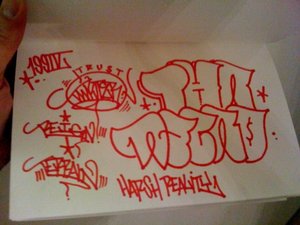
twist, ray fong, bernon vernon, and p.kin
1966 - , United States of America
Quick Facts
- Artistic Movement Or Style: Mission School, Graffiti Art
- Date Of Birth: 1966
- Full Name: Barry McGee
- Nationality: American
- Notable Artworks: ['Untitled']
- Place Of Birth: San Francisco, USA