 Preview
 Send
Send Share
Share
 Details

 Download
 Similars
 X-Ray
X-Ray Diaporama
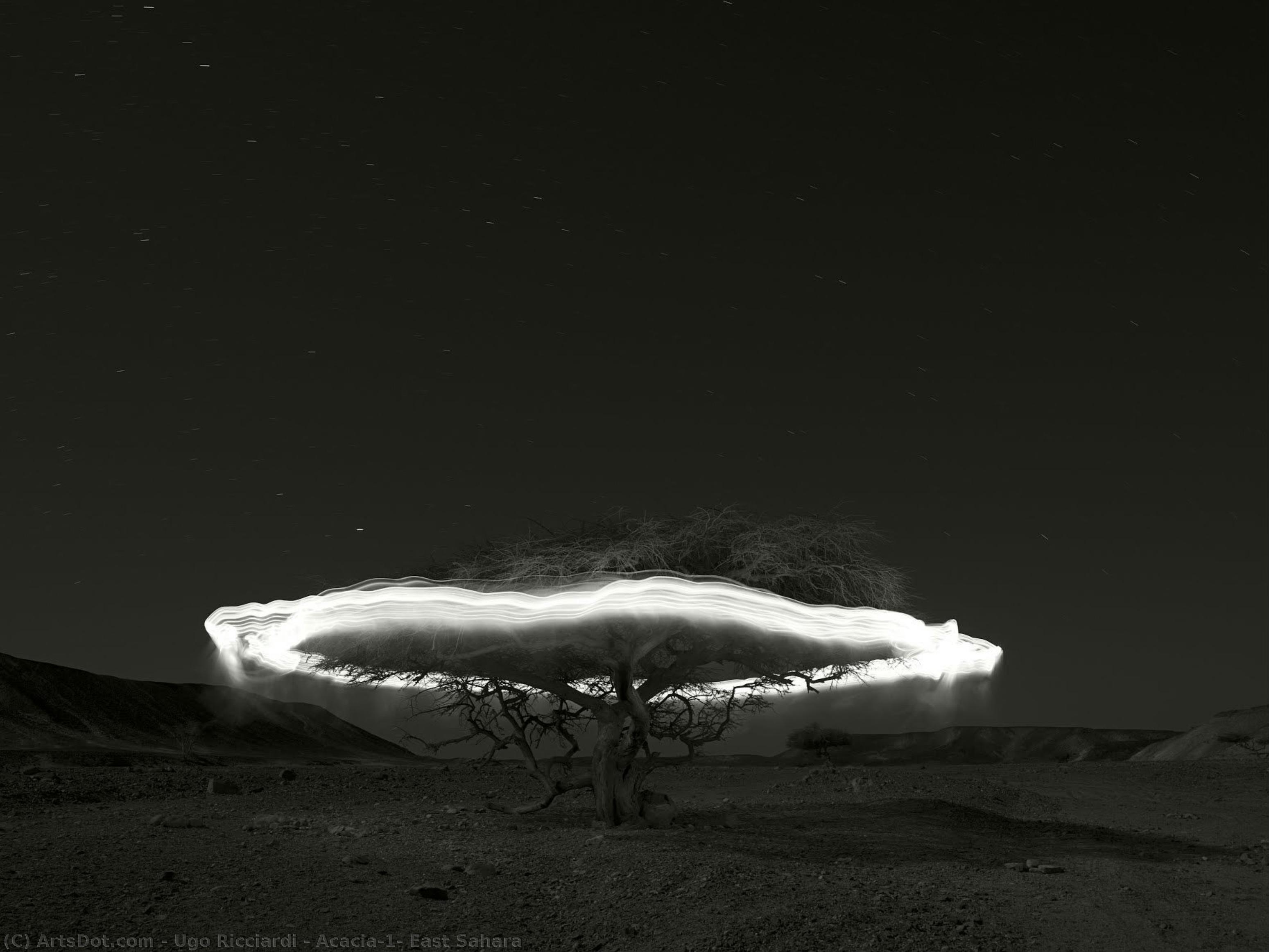
Acacia#1, East Sahara


 Read More
Hand Made Oil Reproduction
Hand-painted oil on canvas in your size and frame, made to order by our artists. ( Buy Print Buy Image)




































Pick from our preset sizes that match the artwork's original proportions.

You may enter your own dimensions to fit a specific frame or space. If your selected size does not match the original image's proportions, we will either crop the artwork or extend the painting with additional hand-painted elements. A digital mockup will be sent for your approval before production begins.
Please note that the on-screen preview does not reflect the actual cropping or extension. Only the mockup will accurately show the final composition.
While custom sizes are available, we recommend selecting a dimension from the predefined list to preserve the original proportions.
After order, ArtsDot.com team will email client for instructions and provide a mockup preview
Worldwide Delivery () in 3/4 weeks instead of standard 5 weeks. (22 August). No compromise on quality.

Free Worldwide Express Shipping

High-Quality Linen Canvas

Full Shipping Insurance

Customs Tax Refund Guarantee

True Color Matching Guarantee

60-Day Return Policy (Defects Only)

100% Money-Back Guarantee

Bulk Discount Offer
 Glass option is only available in size under 110 CM

Acacia#1, East Sahara
Reproduction Medium
Reproduction Size
-


Total Price
$ 263
Related Artworks
Artist Biography
Ugo Ricciardi: Weaver of Transformations
Born in Turin, Italy, in 1975, Ugo Ricciardi’s artistic journey is one deeply rooted in observation and a profound fascination with the ephemeral nature of existence. His work, primarily focused on photography, transcends mere documentation; it becomes an exploration of transformation and transition – themes that resonate powerfully within his evocative imagery. Ricciardi's background began not in the formal halls of art school, but within the dynamic world of photojournalism, working for the respected agency La Presse. This early experience instilled a keen eye for detail, a sensitivity to light and shadow, and an understanding of storytelling through visual narrative – skills that would later inform his deeply personal artistic practice.
Ricciardi’s transition into fine art photography was deliberate, driven by a desire to move beyond the constraints of immediate news events. He sought to capture something more enduring, something that spoke to the universal human experience of change and becoming. His subjects often reside in stark landscapes – deserts, solitary trees, and vast open spaces – providing a dramatic backdrop for his explorations of vulnerability and resilience. The deliberate use of black and white photography is crucial to his aesthetic; it strips away superficiality, forcing viewers to confront the raw emotion and inherent beauty within each image.
The Language of Light and Shadow
A defining characteristic of Ricciardi’s work is his masterful manipulation of light. He doesn't simply record what he sees; he sculpts it, shaping the mood and atmosphere with subtle gradations of tone. His photographs are often imbued with a sense of quiet drama, achieved through careful composition and an acute awareness of how light interacts with texture and form. The stark contrast between darkness and illumination is not merely stylistic – it’s symbolic, representing the interplay between hope and despair, strength and fragility.
His technique leans heavily on long exposures and strategic use of natural light sources. This allows him to capture fleeting moments, imbuing his images with a sense of timelessness. The resulting photographs possess an almost dreamlike quality, inviting viewers to contemplate the stories hinted at within each frame. Consider "Acacia#1, East Sahara," a powerful image depicting a lone acacia tree silhouetted against the inky expanse of the desert night. The photograph isn’t just a depiction of a tree; it's an embodiment of solitude, endurance, and the quiet majesty of nature.
Themes of Transition and Identity
Ricciardi consistently returns to themes of transformation and transition – not simply in the literal sense of physical change, but also as metaphors for personal growth, loss, and the passage of time. His subjects often appear isolated, suggesting a journey inward or a confrontation with fundamental questions about identity. There’s an underlying current of melancholy in much of his work, yet it's tempered by a profound appreciation for beauty and resilience.
The influence of photographers like Sebastião Salgado, known for his powerful documentation of human displacement and environmental degradation, is subtly present in Ricciardi’s approach. However, Ricciardi’s work possesses a distinct sensitivity and poetic quality that sets it apart. He isn't simply documenting hardship; he’s exploring the emotional landscape of those experiences.
A Contemporary Voice
Ugo Ricciardi’s work is gaining recognition within contemporary art circles for its evocative power and philosophical depth. His photographs are not easily categorized – they resist simple labels, inviting viewers to engage with them on a deeply personal level. His commitment to exploring universal themes through a distinctly visual language positions him as a significant voice in the landscape of modern photography. Currently residing and working in Turin, Italy, Ricciardi continues to push the boundaries of his craft, consistently delivering images that resonate with both beauty and profound introspection.
To explore more of Ugo Ricciardi’s poignant work, please visit ArtsDot.

ugo ricciardi
1975 - , Italy
Quick Facts
- Artistic Movement Or Style: Transformation & Transition
- Date Of Birth: 1975
- Full Name: Ugo Ricciardi
- Nationality: Swiss-Italian
- Notable Artworks: ['Acacia#1, East Sahara']
- Place Of Birth: Turin, Italy
Related Articles

White on Canvas: 10 Masterpieces & Timeless Elegance for Your Home Decor
Explore 10 iconic white paintings by Monet, Whistler & Rothko! Discover the stories behind these serene masterpieces and their impact on art history. Find museum-quality reproductions for your home decor at .

Dark Masterpieces: 10 Iconic Paintings Dominated by Black Tones |
Explore 10 iconic paintings dominated by black tones, from Rembrandt’s chiaroscuro to Goya's dark expressions. Discover the stories behind these masterpieces & find museum-quality art reproductions for your home at .

Romantic Landscapes: 10 Masterpieces for Your Home | ArtsDot
Journey through 10 Romantic landscape masterpieces by Friedrich, Turner & Cole. Explore emotional art, sublime nature scenes & iconic 19th-century paintings. Find museum-quality reproductions for your home at ArtsDot.com – discover the full collection online!

John Constable's Masterpieces: Explore 25 Iconic Landscapes for Your Home
Journey through John Constable's 25 most celebrated landscapes. Explore Romanticism, Dedham Vale & his masterful use of light in iconic paintings like 'Hay Wain'. Find museum-quality art reproductions and elevate your home decor on ArtsDot.com.

Evocations of Place: A Historical Journey Through Landscape Art
Explore the rich history of landscape art with ArtsDot. Discover renowned artists, movements like Impressionism & Romanticism, and expert guidance for collecting timeless pieces. Find your perfect serene escape today!