 Preview
 Send
Send Share
Share
 Details

 Download
 Similars
 X-Ray
X-Ray Diaporama
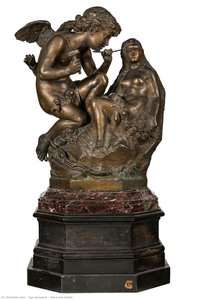
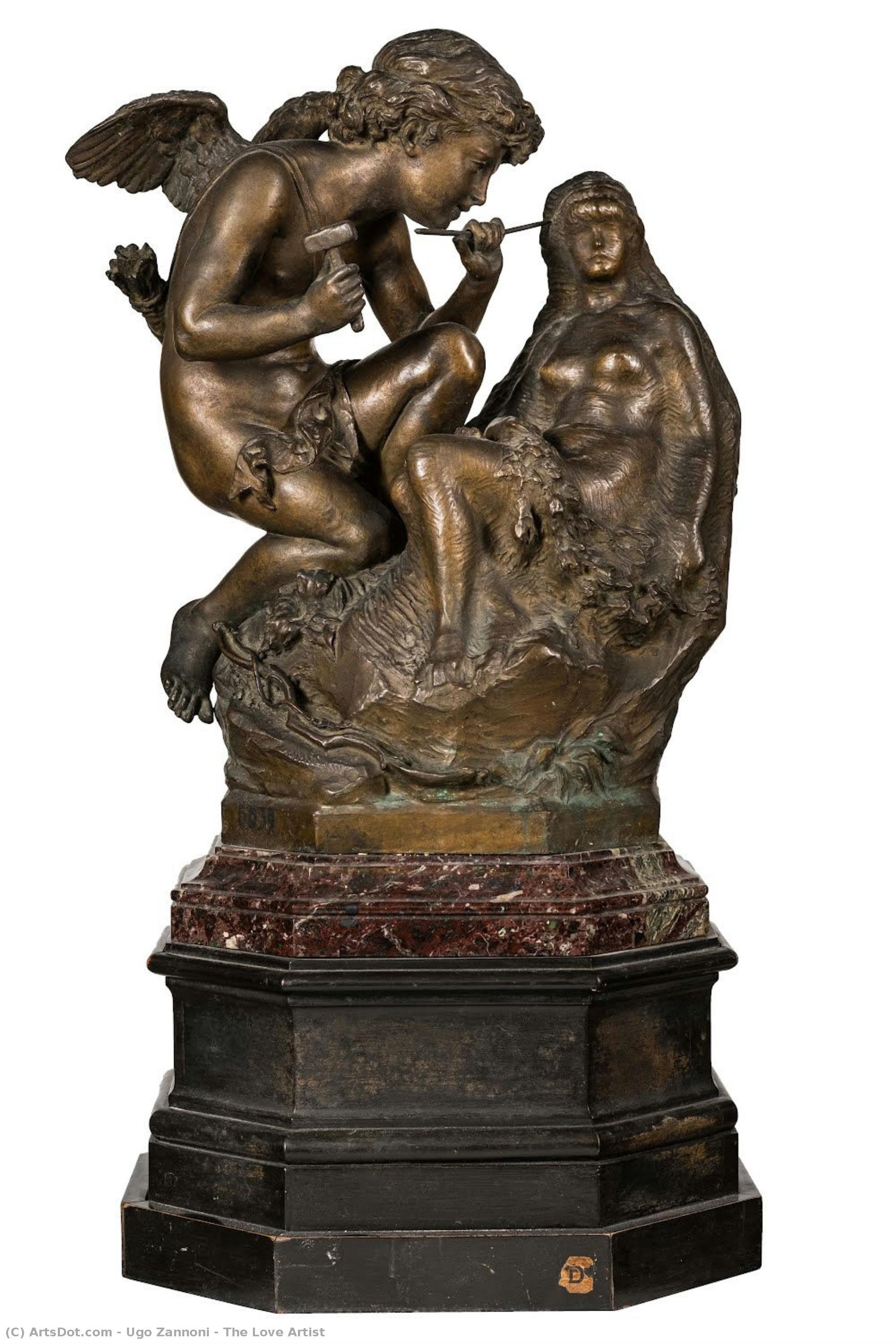
The Love Artist
 1878
1878 5.0 x 19.0 cm
 Galleria d'Arte Moderna Achille Forti
 Read More
Hand Made Oil Reproduction
Hand-painted oil on canvas in your size and frame, made to order by our artists. ( Buy Print Buy Image)




































Pick from our preset sizes that match the artwork's original proportions.

You may enter your own dimensions to fit a specific frame or space. If your selected size does not match the original image's proportions, we will either crop the artwork or extend the painting with additional hand-painted elements. A digital mockup will be sent for your approval before production begins.
Please note that the on-screen preview does not reflect the actual cropping or extension. Only the mockup will accurately show the final composition.
While custom sizes are available, we recommend selecting a dimension from the predefined list to preserve the original proportions.
After order, ArtsDot.com team will email client for instructions and provide a mockup preview
Worldwide Delivery () in 3/4 weeks instead of standard 5 weeks. (24 August). No compromise on quality.

Free Worldwide Express Shipping

High-Quality Linen Canvas

Full Shipping Insurance

Customs Tax Refund Guarantee

True Color Matching Guarantee

60-Day Return Policy (Defects Only)

100% Money-Back Guarantee

Bulk Discount Offer
 Glass option is only available in size under 110 CM

The Love Artist
Reproduction Medium
Reproduction Size
-


Total Price
$ 263
Related Artworks




Artist Biography
Winslow Homer: A Master of American Light and Emotion
Winslow Homer (February 24, 1836 – September 29, 1910) stands as a monumental figure in the history of American art. Born in Boston, Massachusetts, into a family deeply rooted in New England’s artistic traditions—his mother was a talented watercolorist—Homer's journey to becoming one of America’s foremost painters was shaped by both formal apprenticeship and an intensely personal connection to the natural world. Initially finding work as a commercial illustrator for magazines like *Harper’s Weekly* and *Ballou’s Pictorial*, Homer quickly demonstrated a remarkable ability to capture not just likenesses, but also the very essence of his subjects—a skill that would define his later, profoundly influential career. His early illustrations, often depicting scenes from American life and folklore, provided a crucial foundation for his development as a painter, honing his observational skills and understanding of composition.Early Life and Influences: From Cambridge to the California Gold Rush
Homer’s childhood in Cambridge, Massachusetts, offered a stark contrast to the restless energy of his father, Charles Savage Homer, a businessman constantly chasing fortune. This dichotomy profoundly shaped the young artist's perspective. His father’s frequent departures and ventures—including a failed attempt to strike it rich during the California Gold Rush—created an atmosphere of instability and instilled in Homer a deep appreciation for the resilience of the human spirit. His mother, Henrietta Maria Benson Homer, however, provided a stable and nurturing environment, fostering his artistic talent through early instruction in watercolor. This dual influence – the pragmatic drive of his father and the gentle encouragement of his mother – became central to Homer’s artistic sensibility. He absorbed her quiet strength and artistic eye, developing a distinctive style characterized by both technical mastery and emotional depth.The Rise of a Painter: Marine Subjects and American Realism
Homer's transition from illustration to painting was gradual but deliberate. He began exhibiting his work in New York City during the 1860s, initially focusing on scenes of everyday life—fishing villages, bustling docks, and portraits of working-class individuals. These early paintings were deeply rooted in realism, reflecting the social realities of America at a time of rapid industrialization and transformation. However, it was his fascination with the sea that truly captivated him. He began spending extended periods at sea, meticulously observing and documenting the lives of fishermen and sailors—a subject he would return to repeatedly throughout his career. Works like *Snap the Whip* (1873) and *The Veteran in a New Field* (1863) are prime examples of this period, capturing not just the physical appearance of these figures but also their emotional states – exhaustion, camaraderie, and quiet dignity. His use of light and color became increasingly dramatic, imbuing his paintings with an almost palpable sense of atmosphere.Mastery of Watercolor and Late Works: A Symphony of Light
While Homer is best known for his oil paintings, he was also a remarkably skilled watercolorist. His working vacations—extended periods spent at sea or in coastal communities—produced a vast body of watercolor paintings that showcased his ability to capture fleeting moments of light and color with breathtaking immediacy. These works, often characterized by loose brushwork and vibrant hues, offer a glimpse into the artist’s creative process and his deep connection to nature. In his later years, Homer continued to explore themes of mortality, loss, and the passage of time, culminating in masterpieces like *The Gulf Stream* (1899) and *November Day* (1907). These paintings are characterized by a profound sense of melancholy and a masterful manipulation of light—a technique that has been described as “a symphony of light.” His use of color became increasingly subdued, reflecting the somber mood of his subjects.Legacy and Historical Significance
Winslow Homer’s impact on American art is undeniable. He was a key figure in the development of American Realism, bridging the gap between academic painting and the emerging vernacular tradition. His unflinching portrayal of ordinary people—fishermen, sailors, and laborers—challenged conventional notions of artistic subject matter and offered a powerful reflection of American life. Furthermore, Homer’s innovative use of light and color profoundly influenced generations of artists who followed him. He is remembered not only for his technical brilliance but also for his ability to imbue his paintings with profound emotional resonance – capturing the beauty, hardship, and enduring spirit of America. His work continues to be celebrated for its honesty, sensitivity, and timeless appeal, solidifying his place as one of the most important artists in American history.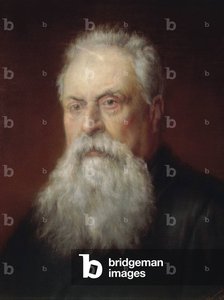
ugo zannoni
1836 - 1919 , Italy
Quick Facts
- Artistic Movement Or Style: Realism, American Realism
- Artists Or Movements Influenced By This Artist: ["Harper's Weekly"]
- Artists Who Influenced This Artist: ['His mother']
- Date Of Birth: February 24, 1836
- Date Of Death: September 29, 1910
- Full Name: Winslow Homer
- Nationality: American
- Notable Artworks:
- Snap the Whip
- The Veteran in a New Field
- Breezing Up (A Fair Wind)
- Place Of Birth: Boston, Massachusetts