 Preview
 Send
Send Share
Share
 Details

 Download
 Similars
 X-Ray
X-Ray Diaporama
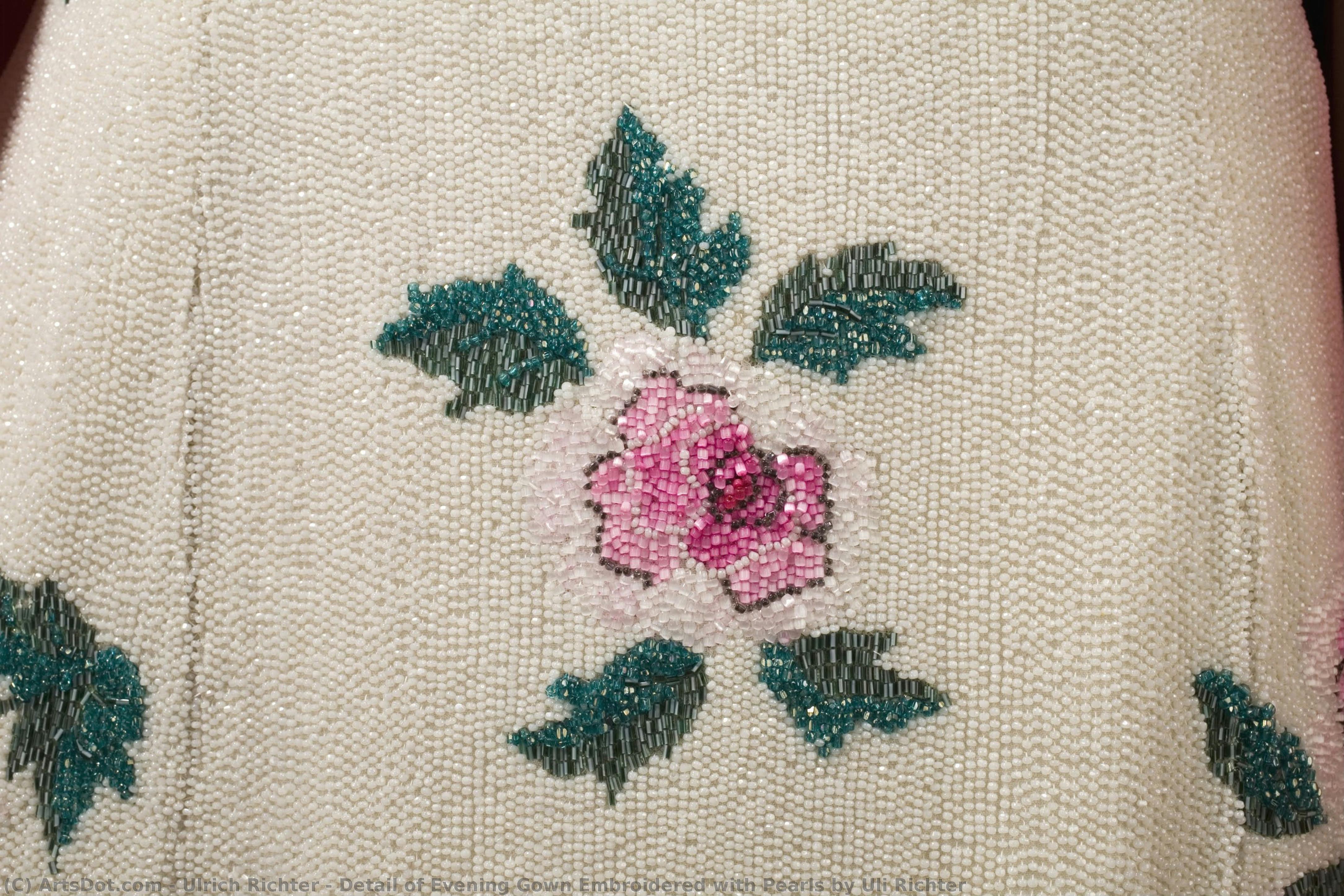
Detail of Evening Gown Embroidered with Pearls by Uli Richter

 Read More
Giclée / Art Print
Museum-quality giclée or canvas print with fast production and flexible finish options. ( Buy Hand Made Painting Buy Image)




































Pick from our preset sizes that match the artwork's original proportions.

You may enter your own dimensions to fit a specific frame or space. If your selected size does not match the original image's proportions, we will either crop the artwork or extend the image with a mirrored or solid-fill edge. A digital mockup will be sent for your approval before production begins.
Please note that the on-screen preview does not reflect the actual cropping or extension. Only the mockup will accurately show the final composition.
While custom sizes are available, we recommend selecting a dimension from the predefined list to preserve the original proportions.
Worldwide Delivery () in 2 weeks instead of standard 4/5 weeks. (1 September)

Free Worldwide Express Shipping

High-Quality Linen Canvas

Full Shipping Insurance

Customs Tax Refund Guarantee

True Color Matching Guarantee

60-Day Return Policy (Defects Only)

100% Money-Back Guarantee

Bulk Discount Offer
 Glass option is only available in size under 110 CM

Detail of Evening Gown Embroidered with Pearls by Uli Richter
Giclée / Art Print
Reproduction Size
-


Total Price
$ 63
Related Artworks









Artist Biography
Uli Richter: Architect of Berlin’s Elegant Revival
Uli Richter, born in Potsdam in 1926 and tragically passing away in Berlin in 2021, wasn't merely a fashion designer; he was a pivotal figure in redefining German style after World War II. His journey began not with haute couture but as a textile buyer, a grounding experience that ultimately fueled his artistic vision. It’s a story of quiet revolution – transforming the austere landscape of post-war Germany into a vibrant expression of understated elegance and a distinctly “Berlin chic.” Richter's legacy isn’t just in the exquisite garments he created; it’s in the spirit of resilience, innovation, and a profound understanding of how fashion could be a powerful tool for cultural renewal.Early Life and Artistic Foundations
Richter’s childhood was marked by displacement and hardship. Growing up in rural Saxony during the turbulent years following the war, he experienced firsthand the devastation and uncertainty that gripped Germany. His father, a village teacher, instilled in him a deep appreciation for craftsmanship and a commitment to honest work – values that would profoundly influence his approach to design. The family’s move to Waltersdorf, followed by the tragic loss of relatives during the conflict, shaped Richter's perspective on life and fueled a desire to create beauty amidst adversity. He initially pursued studies in mathematics and physics, but ultimately found his true calling in art, enrolling at the Dresden Academy of Fine Arts in 1951. His early training focused on mural painting, a skill that would prove invaluable in his later career as he sought to revitalize public spaces with his designs. The rejection from the academy initially due to his “bourgeois” background highlights the societal constraints faced by artists at the time and underscores Richter’s determination to forge his own path.The Rise of ‘Berlin Chic’
Richter's career truly took flight in 1952 when he joined S&E Modelle as a chief designer, quickly rising through the ranks to become a partner in 1957. This marked the beginning of his ascent to prominence within Germany’s fashion industry. He established his own fashion house in 1959, swiftly earning recognition for his elegant and timeless designs. Unlike the flamboyant styles prevalent at the time, Richter's aesthetic was characterized by understated sophistication – a deliberate rejection of ostentation in favor of refined silhouettes, impeccable tailoring, and a subtle use of luxurious fabrics like silk and taffeta. His clientele quickly expanded to include prominent actresses, influential politicians, and even members of European royal families, solidifying his position as one of Germany’s most sought-after designers. The iconic “Tomato-red Evening Gown” (a piece now meticulously reproduced by ArtsDot), exemplifies this period – a bold statement in color balanced with exquisite detail and a graceful drape that epitomized the ‘Berlin chic’ aesthetic.Teaching, Influence, and Legacy
Beyond his design work, Richter played a crucial role in nurturing the next generation of German fashion talent. From 1986 to 1994, he served as a teacher at the Hochschule der Künste (UdK) in Berlin, imparting his knowledge and artistic vision to countless students. His influence extended far beyond the classroom; he became a respected mentor and role model for designers like Nobi Talai and William Fan, shaping the direction of contemporary German fashion. The exhibition “Uli Richter Revisited – Fashion Visionary, Teacher, Inspiration,” at the Staatliche Museen zu Berlin in 2016, brilliantly showcased this legacy, bringing together his original designs alongside works inspired by his teachings. This event underscored his enduring impact on the city’s creative landscape and demonstrated how his principles of elegance, innovation, and a commitment to local craftsmanship continue to resonate today.Key Works and Historical Significance
Richter's body of work is characterized by its quiet confidence and understated luxury. His designs weren’t about shouting for attention; they were about conveying an aura of sophistication and timelessness. From bridal gowns to evening wear, his creations consistently demonstrated a mastery of tailoring, fabric manipulation, and color palettes. His collaboration with Angelica Domröse, the celebrated East German actress, resulted in iconic portraits that captured the glamour and elegance of the era. The exhibition at the Kunstgewerbemuseum in Berlin presented a comprehensive overview of his career, spanning from his early bridal gowns to contemporary designs inspired by his students – a testament to the enduring influence of this remarkable designer. Uli Richter’s contribution to German fashion extends beyond mere aesthetics; he represents a powerful symbol of resilience, creativity, and the ability to transform adversity into beauty—a legacy that continues to inspire artists and designers worldwide.
ulrich richter
1926 - 2021 , Germany
Quick Facts
- Artistic Movement Or Style: Fashion design
- Date Of Birth: 1926, Potsdam, Germany
- Date Of Death: 2021
- Full Name: Uli Richter
- Nationality: German
- Notable Artworks:
- Tomato-red Evening Gown
- Uli Richter Revisited
- Place Of Birth: Potsdam, Germany