 Preview
 Send
Send Share
Share
 Details

 Download
 Similars
 X-Ray
X-Ray Diaporama
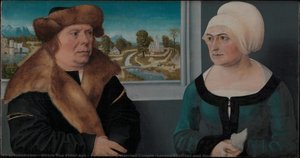
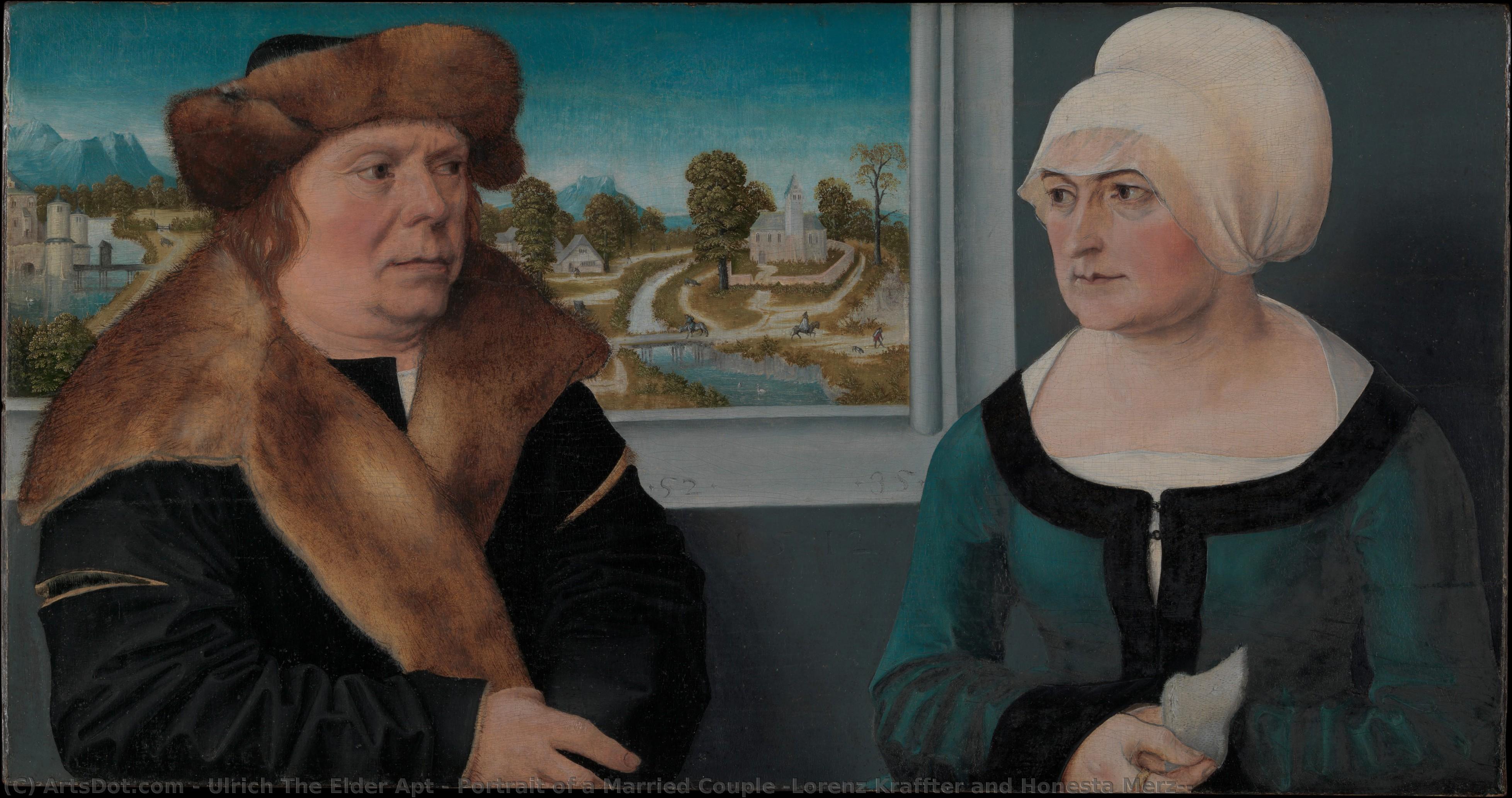
Portrait of a Married Couple (Lorenz Kraffter and Honesta Merz?)
 1512
1512 33.0 x 63.0 cm
 Read More
Hand Made Oil Reproduction
Hand-painted oil on canvas in your size and frame, made to order by our artists. ( Buy Print Buy Image)




































Pick from our preset sizes that match the artwork's original proportions.

You may enter your own dimensions to fit a specific frame or space. If your selected size does not match the original image's proportions, we will either crop the artwork or extend the painting with additional hand-painted elements. A digital mockup will be sent for your approval before production begins.
Please note that the on-screen preview does not reflect the actual cropping or extension. Only the mockup will accurately show the final composition.
While custom sizes are available, we recommend selecting a dimension from the predefined list to preserve the original proportions.
After order, ArtsDot.com team will email client for instructions and provide a mockup preview
Worldwide Delivery () in 3/4 weeks instead of standard 5 weeks. (28 August). No compromise on quality.

Free Worldwide Express Shipping

High-Quality Linen Canvas

Full Shipping Insurance

Customs Tax Refund Guarantee

True Color Matching Guarantee

60-Day Return Policy (Defects Only)

100% Money-Back Guarantee

Bulk Discount Offer
 Glass option is only available in size under 110 CM

Portrait of a Married Couple (Lorenz Kraffter and Honesta Merz?)
Reproduction Medium
Reproduction Size
-


Total Price
$ 263
Related Artworks






Artist Biography
Ulrich the Elder Apt: A Master of Augsburg’s Late Gothic Tradition
Ulrich the Elder Apt (1460-1532) stands as a pivotal figure in the artistic landscape of 15th and early 16th century Augsburg, Germany. Born into a family deeply rooted in the city's thriving art scene – his father, Peter Apt, was a respected painter – Ulrich inherited not just a workshop but also a legacy of craftsmanship and a burgeoning interest in the evolving styles circulating throughout Europe. He established himself as an independent master in 1481, dedicating his life to artistic practice within the walls of Augsburg, a city renowned for its civic pride and increasingly sophisticated patronage network. His career spanned over five decades, during which he oversaw the production of numerous religious works and portraits, shaping the visual identity of Augsburg’s elite while simultaneously absorbing and adapting influences from the Low Countries – a region that would profoundly impact German art in this period.A Workshop of Brothers: Family Influence and Artistic Collaboration
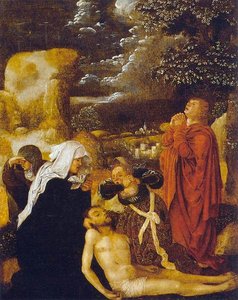
Ulrich Apt's artistic journey was inextricably linked to his family. He didn’t operate as a solitary artist; rather, he presided over a bustling workshop alongside his three sons: Jacob, Ulrich Apt the Younger, and Michael. This collaborative environment is crucial to understanding his work – it wasn’t simply a business but a deeply interconnected creative process. While stylistic distinctions undoubtedly emerged between father and son, there's compelling evidence suggesting a shared artistic vocabulary and a deliberate effort to maintain a consistent aesthetic across the workshop’s output. The meticulous documentation of their activities by Augsburg’s guilds reveals a complex web of commissions and apprenticeships, highlighting the significant role played by assistants in executing these projects. This familial dynamic is particularly evident in works like “The Lamentation,” where multiple hands likely contributed to the final composition, creating a rich tapestry of artistic influence.Religious Themes and the Rise of Netherlandish Influence
Ulrich Apt’s primary focus lay in religious painting, reflecting the prevailing demands of Augsburg's Catholic community. He produced altarpieces, panel paintings, and frescoes depicting scenes from the Bible and the lives of saints – a common practice for artists working within the established guild system. However, unlike many of his contemporaries who remained firmly rooted in the traditions of German Gothic art, Apt demonstrated a growing fascination with the emerging styles emanating from the Low Countries. This shift is most strikingly evident in works like “The Lamentation,” where he incorporates elements characteristic of Early Netherlandish painting: dramatic lighting, meticulous detail in rendering fabrics and textures, and a heightened sense of emotional intensity. The influence of artists such as Jan van Eyck and Rogier van der Weyden can be clearly discerned in Apt’s use of oil paint – a relatively new medium at the time – and his attention to realistic representation.Key Works and Artistic Achievements
Among Ulrich Apt's most celebrated works is “The Lamentation” (1510), a powerful depiction of Christ’s grief that showcases his mastery of composition, color, and emotional expression. The painting’s somber palette, intricate details, and carefully arranged figures evoke a profound sense of sorrow and reverence. He also produced several significant altarpieces for Augsburg Cathedral, including the two wings of a triptych now housed in the Louvre and Karlsruhe Museum. Furthermore, Apt was commissioned to decorate the town hall with frescoes, a testament to his reputation as a skilled muralist. His portraiture work, particularly those depicting members of Augsburg’s elite, reveals an ability to capture both physical likeness and psychological depth – qualities that contributed significantly to his artistic success.Legacy and Historical Significance
Ulrich Apt the Elder's legacy extends beyond his individual works; he played a crucial role in shaping the artistic identity of Augsburg during a period of significant transition. He bridged the gap between late Gothic traditions and the burgeoning Renaissance, introducing new techniques and stylistic approaches to the city’s art scene. His workshop served as a training ground for subsequent generations of artists, ensuring the continuity of Augsburg's artistic heritage. While his individual style may not have been radically innovative, his ability to synthesize diverse influences and adapt them to the specific context of Augsburg cemented his position as one of the most important painters of his time – a master whose work continues to resonate with viewers today through its emotional depth, technical skill, and enduring depiction of faith.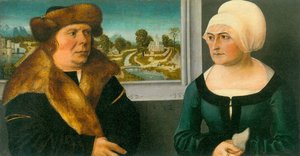
ulrich the elder apt
1460 - 1532 , Germany
Quick Facts
- Artistic Movement Or Style: Late-Gothic
- Artists Or Movements Influenced By This Artist: ['Netherlandish painting']
- Date Of Birth: 1460, Augsburg
- Date Of Death: 1532, Augsburg
- Full Name: Ulrich Apt the Elder
- Nationality: German
- Notable Artworks: ['The Lamentation']
- Place Of Birth: Augsburg, Germany