

 Send
Send Share
Share
 Details

 Download
 Similars
 Diaporama
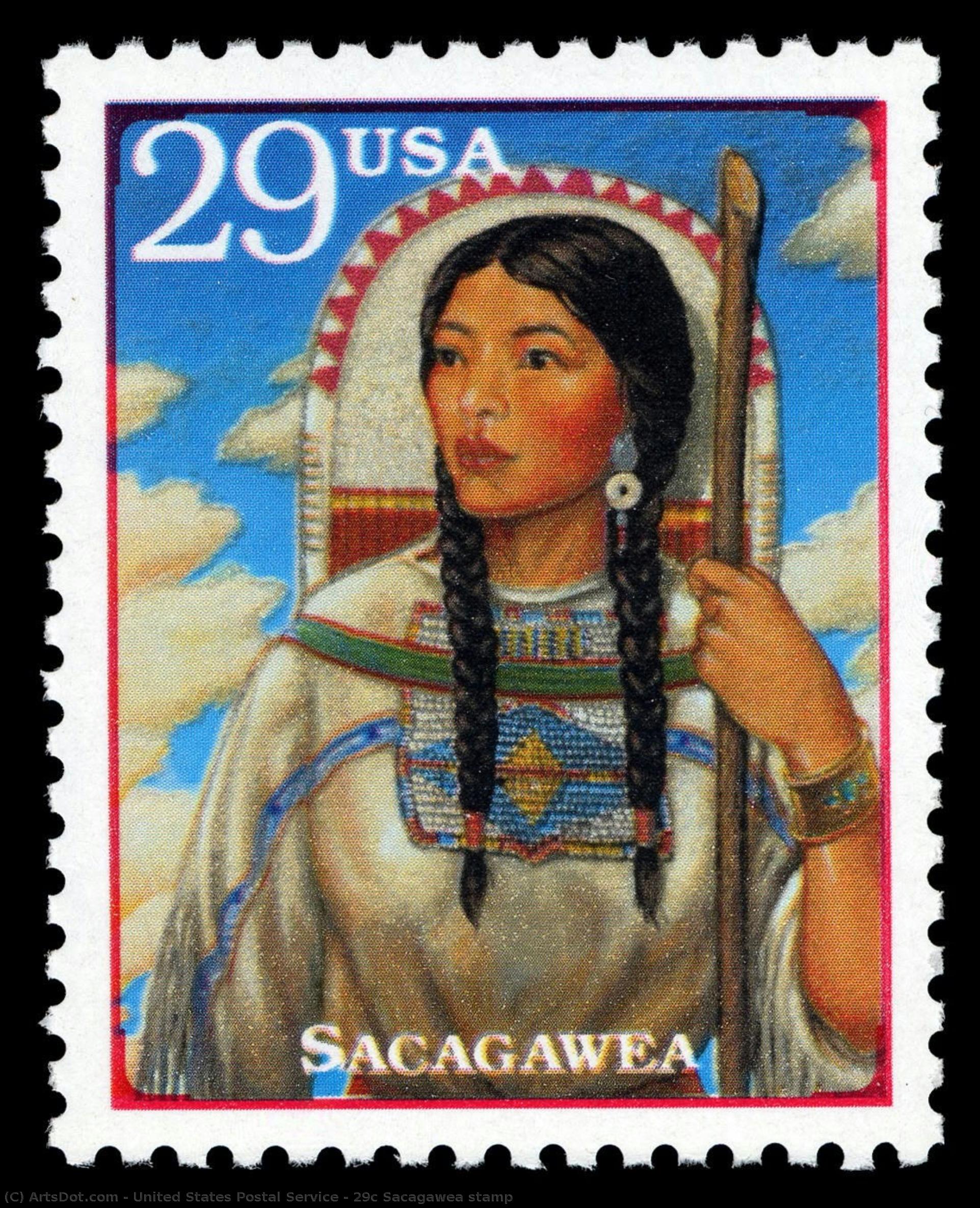
29c Sacagawea stamp


 Read More
Purchase a high-resolution, enhanced digital image, far superior to the online preview.
Each file is meticulously prepared by our in-house specialists using advanced tools and expert manual retouching. We ensure every image has exceptional clarity, precise color accuracy, and fine detail.
The final file is delivered via email within 72 hours, optimized for immediate use in professional, editorial, and print environments. This is the same quality trusted by top-tier design studios, publishers, and galleries.
Digital Image
Download a high-resolution file for personal display, printing, and creative projects. ( Buy Print Buy Hand Made Painting)
Included in Every Digital Image Order
Expert Digital Delivery, Guaranteed
When you choose ArtsDot.com, you're not just getting an image - you're receiving a professionally enhanced digital artwork, crafted with precision and backed by a satisfaction guarantee. Here's everything that comes with your order, automatically:

Fast Email Delivery
Your high-resolution digital image file will be emailed to you within 72 hours of ordering - ready for immediate use.

AI-Enhanced Digital File
Your artwork is professionally optimized using advanced AI tools and manual editing, ensuring maximum detail, clarity, and color accuracy.

Free Lifetime Re-Delivery
Accidentally deleted or lost your file? No worries - we'll resend it to you anytime, free of charge.

No Import Fees - Ever
Enjoy your artwork instantly with zero customs, duties, or delivery fees - digital downloads are always tax-free.

Color Accuracy Guarantee
We ensure your digital image reflects the original colors as closely as possible using professional tools and color management.

60-Day Satisfaction Guarantee
If you're not satisfied with your digital image, we'll revise it or refund 100% within 60 days - no questions asked.

100% Money-Back Guarantee
Not satisfied? Get a full refund within 60 days of receiving your digital file - no questions asked.

Bulk Order Discounts
Buy 3 images, save 10% - Buy 5, save 15% - Buy 10+, save 20%. Great for creative projects, galleries, and agencies.
Collectible Description
A Vision of the American West
In the delicate intersection of philately and fine art lies the 29c Sacagawea stamp, a miniature masterpiece that captures the spirit of exploration and the enduring legacy of the American frontier. Part of the "Legends of the West" commemorative series issued in 1994, this work transcends its utilitarian purpose as postage to serve as a poignant window into history. The painting depicts the iconic figure of Sacagawea, the Shoshone woman whose guidance was instrumental to the Lewis and Clark Expedition. Through a masterful use of color and composition, the artist, Mark Hess, presents her not merely as a historical footnote, but as a symbol of resilience and strength. Her braided hair and traditional attire are rendered with a reverence that honors her heritage, while the striking blue background provides a celestial depth that elevates the subject from a mere portrait to an icon of the American landscape.
The technique employed in this piece utilizes the photogravure process, a method known for its ability to capture rich, velvety tones and intricate details. This allows for a subtle interplay of light and shadow across the figure, lending a tactile quality to her clothing and the staff she holds. The color palette is both bold and evocative; the deep blues suggest the vastness of the uncharted territories she traversed, while the sharp red accents provide a rhythmic vitality that draws the eye toward the center of the composition. For collectors and enthusiasts of Americana, this stamp represents a moment where graphic design meets classical portraiture, creating an image that feels both timeless and deeply rooted in the soil of the American West.
Symbolism and Historical Resonance
Beyond its aesthetic allure, the artwork carries profound symbolic weight. The staff held firmly in Sacagawea's hand serves as a metaphor for leadership and the navigation of unknown paths, mirroring the journey of the Corps of Discovery itself. As part of the first "Classic Collection Series" from the United States Postal Service, this stamp was designed to celebrate a shared national identity through the lens of legendary figures. The inclusion of such a powerful female figure in a series alongside titans like Buffalo Bill and Geronimo speaks to a nuanced historical narrative—one that recognizes the essential role of indigenous knowledge and feminine perseverance in the shaping of a nation.
For the discerning interior designer or art lover, a high-quality reproduction of this work offers more than just decoration; it provides a conversation piece steeped in heritage. The emotional impact of the piece lies in its ability to evoke nostalgia for the era of westward expansion while simultaneously celebrating the dignity of the individuals who lived through it. Whether displayed as part of a curated collection of historical prints or used as a focal point in a room themed around natural history, this artwork brings a sense of adventure and profound respect for the past into the modern living space.
Related Artworks

Artist Biography
A Nation Delivered: The Artistic Legacy of the United States Postal Service
The United States Postal Service, often simply referred to as the USPS, is far more than a government agency responsible for mail delivery. It represents a unique and enduring artistic enterprise, one that has subtly but profoundly shaped American visual culture for over two centuries. While not traditionally considered an artist in the singular sense, the collective effort of designers, engravers, printers, and postal administrators working under its auspices constitutes a remarkable body of work – a constantly evolving chronicle of national identity, historical events, and aesthetic trends. Its story isn’t one of individual genius, but rather of institutional vision and the power of accessible art to reach every corner of the nation.From Early Engravings to Pictorial Stamps
The USPS's artistic journey began with the earliest postage stamps issued in 1847. These initial designs were deliberately modest, featuring simple portraits of Benjamin Franklin and George Washington, rendered as black engravings on white paper. The focus was functionality – clear identification and security against forgery – rather than elaborate artistry. However, even within these constraints, skilled engravers like Rawdon, Wright, Hatch & Edson demonstrated a commitment to precision and detail that established a standard for future stamp production. As the nation grew, so too did the demand for stamps reflecting its expanding geography and evolving values. The mid-19th century saw the introduction of denominations depicting iconic figures like Abraham Lincoln and scenes representing agriculture and commerce. These were still largely portrait-based, but they signaled a shift towards incorporating more diverse imagery. The real turning point came with the advent of pictorial stamps in the 1860s and 70s. Suddenly, American landscapes, historical events, and symbols began to grace envelopes across the country. This marked the USPS’s first conscious effort to use its stamps as a medium for storytelling and national promotion.The Golden Age of Stamp Design (1920s-1960s)
The period between the 1920s and 1960s is often considered the “Golden Age” of American stamp design. This era witnessed a surge in artistic innovation, fueled by the rise of modernism and a growing appreciation for graphic arts. The USPS began to commission designs from prominent artists and designers, including Charles Sheeler, whose meticulously detailed depictions of industrial America graced several commemorative issues. The Bureau of Engraving and Printing refined its techniques, allowing for increasingly complex color palettes and intricate details. This period saw the introduction of stamps celebrating American achievements in aviation, exploration, literature, and art itself. The 1938 Presidential Series, featuring portraits by artists like William Gropper and Clarence Buckingham, showcased a range of artistic styles reflecting the diversity of the nation’s cultural landscape. The USPS also began to experiment with thematic series, such as the “Wildflowers” stamps of the 1920s and 30s, which brought botanical illustration to a mass audience. This era cemented the stamp's role not just as postage but as miniature works of art.Contemporary Stamps: Reflecting a Changing Nation
The latter half of the 20th century and the beginning of the 21st have seen the USPS continue to evolve its artistic approach. While portraiture remains a staple, contemporary stamps reflect a broader range of subjects and styles than ever before. The USPS has embraced photography, digital art, and collaborations with diverse artists from various backgrounds. The introduction of self-adhesive stamps in the 1980s allowed for greater flexibility in design and production. Commemorative series now celebrate everything from pop culture icons to social movements, scientific discoveries, and lesser-known historical figures. Recent examples include stamps honoring LGBTQ+ pioneers, Black history milestones, and endangered species. The USPS has also become increasingly adept at using its stamp program to engage with contemporary issues and promote diversity and inclusion. The Citizen’s Stamp Advisory Committee plays a crucial role in this process, soliciting ideas from the public and ensuring that the stamp program reflects the values of a changing nation.Historical Significance & Enduring Impact
The historical significance of the USPS's artistic output extends far beyond its aesthetic qualities. Stamps serve as tangible records of national memory, reflecting evolving attitudes towards history, culture, and identity. They have played a vital role in shaping public perceptions of key events and figures, often presenting idealized or romanticized narratives that contribute to collective understanding.- Stamps have acted as educational tools, introducing millions of Americans to art, history, and science.
- They’ve served as powerful symbols of national pride and unity, particularly during times of war and social upheaval.
- The USPS stamp program has provided opportunities for artists and designers to showcase their work to a vast audience.

Quick Facts
- Artistic Movement Or Style: Postal Art
- Date Of Death: Living
- Full Name: United States Postal Service

