 Preview
 Send
Send Share
Share
 Details

 Download
 Similars
 X-Ray
X-Ray Diaporama
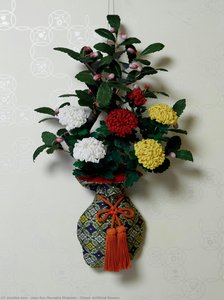
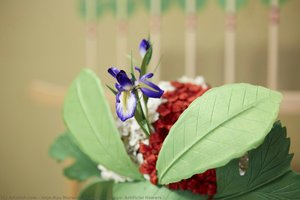
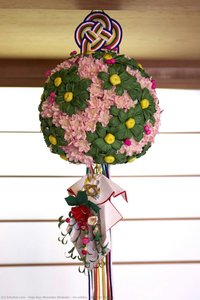
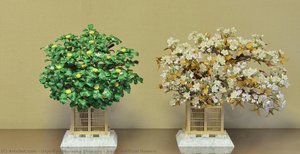
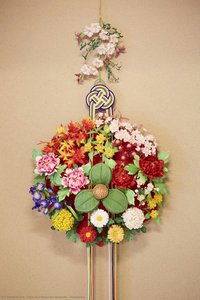
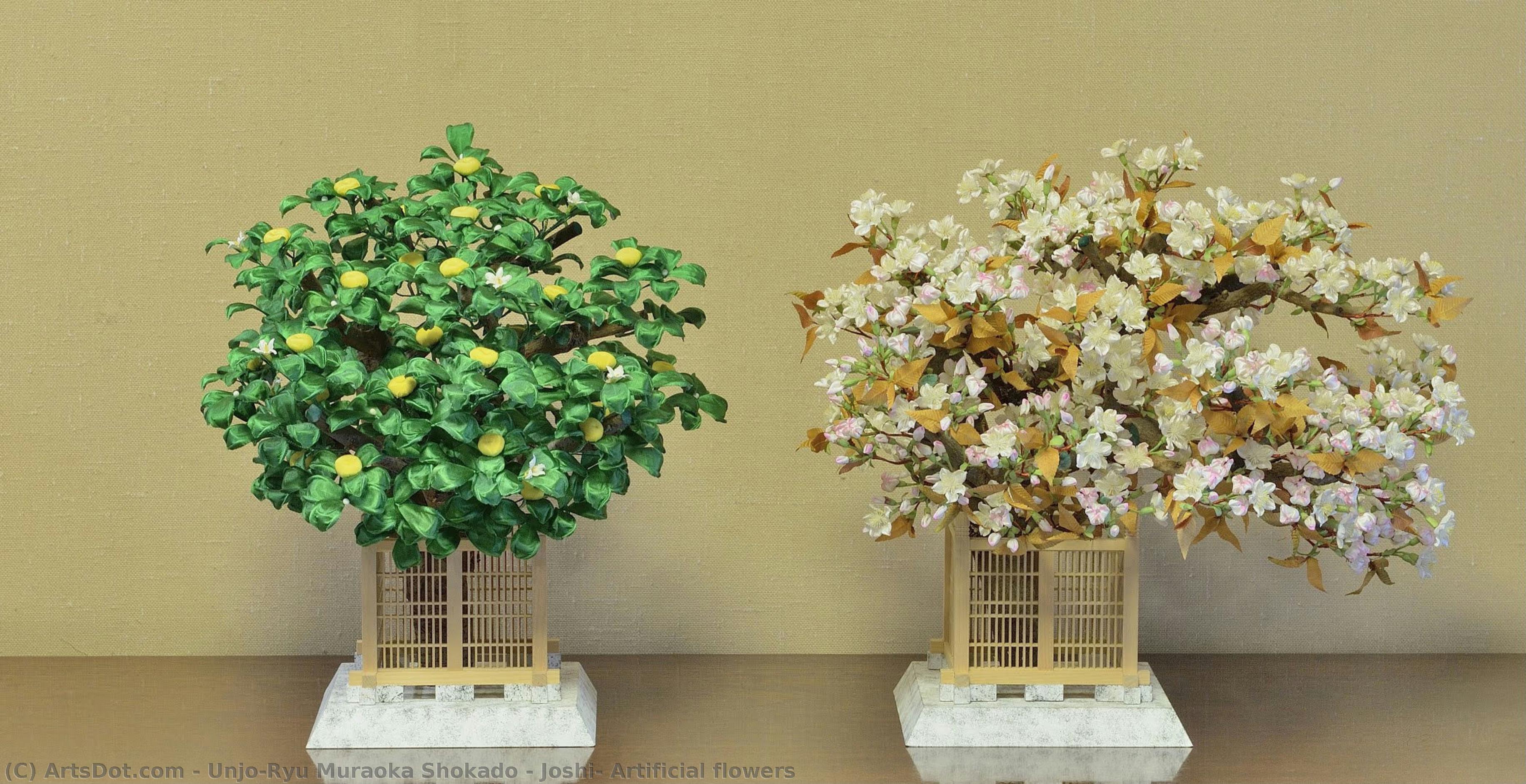
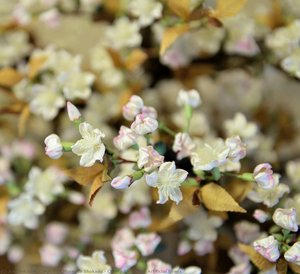
Joshi, Artificial flowers
 Read More
Hand Made Oil Reproduction
Hand-painted oil on canvas in your size and frame, made to order by our artists. ( Buy Print Buy Image)




































Pick from our preset sizes that match the artwork's original proportions.

You may enter your own dimensions to fit a specific frame or space. If your selected size does not match the original image's proportions, we will either crop the artwork or extend the painting with additional hand-painted elements. A digital mockup will be sent for your approval before production begins.
Please note that the on-screen preview does not reflect the actual cropping or extension. Only the mockup will accurately show the final composition.
While custom sizes are available, we recommend selecting a dimension from the predefined list to preserve the original proportions.
After order, ArtsDot.com team will email client for instructions and provide a mockup preview
Worldwide Delivery () in 3/4 weeks instead of standard 5 weeks. (24 August). No compromise on quality.

Free Worldwide Express Shipping

High-Quality Linen Canvas

Full Shipping Insurance

Customs Tax Refund Guarantee

True Color Matching Guarantee

60-Day Return Policy (Defects Only)

100% Money-Back Guarantee

Bulk Discount Offer
 Glass option is only available in size under 110 CM

Joshi, Artificial flowers
Reproduction Medium
Reproduction Size
-


Total Price
$ 263
Artwork Description
Related Artworks



Artist Biography
Unjo-ryu Muraoka Shokado: The Silent Bloom of Kyoto’s Artificial Flowers
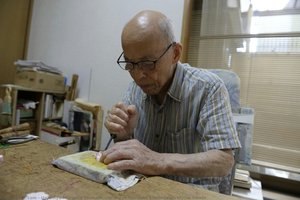
The art of creating artificial flowers in Japan possesses a profound history, deeply intertwined with courtly traditions and a delicate reverence for nature. Within this rich tapestry, Unjo-ryu Muraoka Shokado stands as a singular figure – a master craftsman whose meticulous work embodies the essence of this ancient practice. Born in Kyoto, Japan, during a period when the ephemeral beauty of the natural world was meticulously captured through imitation, Shokado’s legacy resides not merely in the exquisite flowers he produced, but in his unwavering dedication to preserving and refining a tradition that stretches back centuries.
The roots of Japanese artificial flower making can be traced as far back as the 8th century, documented within the Man yoshu anthology. Early iterations were crafted from thread and cloth, primarily for use during seasonal court events – a deliberate act of capturing beauty without disrupting the natural cycle. The Unjo-ryu school, to which Shokado belonged, represented the final bastion of this specialized craft, carrying forward techniques honed over generations. Unlike mass-produced imitations, these flowers were conceived as something more than mere copies; they were intended to surpass the original in their elegance and enduring quality – a testament to human artistry.
The Art of Silk and Washi: A Delicate Dance
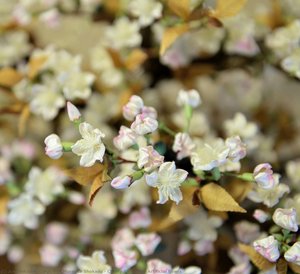
Shokado’s work is fundamentally defined by his masterful use of silk and washi, traditional Japanese paper. The process begins with meticulously hand-dyed silk, often imbued with subtle shades of pink – a hue evocative of cherry blossoms. This delicate fabric is then carefully cut into the individual petals of the flower, paying close attention to variations in size and shape. This deliberate asymmetry mirrors the natural irregularities found in real blooms, adding an element of organic charm.
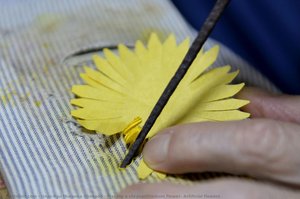
Crucially, these petals are not simply glued onto a base; they undergo a transformative process involving heat and pressure. Using a smoothing iron – a specialized tool with varying degrees of intensity – the silk is gently molded and shaped, creating a remarkably lifelike texture. The technique requires immense skill and patience, as each petal must be treated individually to achieve the desired swelling and form. This painstaking method results in flowers that possess an almost ethereal quality—a silent bloom that captures the essence of its subject without ever fading.
Chrysanthemums and Beyond: A Signature Style
While Shokado’s work encompassed a diverse range of floral subjects, the chrysanthemum consistently emerged as his signature motif. The chrysanthemum, deeply ingrained in Japanese culture as a symbol of longevity and nobility, provided a rich source of inspiration. His “Chrysanthemum, Artificial Flowers” artwork exemplifies this dedication, showcasing an intricate understanding of the flower's form and symbolism.
Beyond the chrysanthemum, Shokado also produced stunning recreations of other blossoms – cherry blossoms, lilies, and peonies—each rendered with a similar level of precision and artistry. His creations weren’t merely decorative objects; they were miniature works of art, imbued with a quiet dignity and an appreciation for the fleeting beauty of nature.
Legacy and Historical Significance
Unjo-ryu Muraoka Shokado's contribution extends beyond the creation of beautiful artificial flowers. He preserved a vanishing craft, safeguarding a unique artistic tradition that had been largely forgotten. His dedication to upholding the meticulous techniques passed down through generations ensured that this art form would continue to thrive. His work serves as a poignant reminder of Japan’s rich cultural heritage and its enduring fascination with capturing beauty in all its forms.
Today, Shokado's legacy lives on through his meticulously crafted flowers, which are treasured for their exquisite detail and timeless elegance. His art offers a glimpse into a world where imitation becomes an act of reverence—a celebration of nature’s splendor rendered with the patient skill of a master craftsman.
unjo-ryu muraoka shokado
Japan
Quick Facts
- Artistic Movement Or Style: Artificial flowers
- Artists Or Movements Influenced By This Artist: ['Unjo-ryu school']
- Artists Who Influenced This Artist: ['Traditional Japanese flower artisans']
- Date Of Birth: Kyoto, Japan (date missing)
- Date Of Death: Living
- Full Name: Unjo-ryu Muraoka Shokado
- Nationality: Japanese
- Notable Artworks:
- Chrysanthemum, Artificial flowers
- Choyo, Artificial flowers
- Go-sekku, Artificial flowers
- Cherry Blossoms, Artificial flowrs
- Place Of Birth: Kyoto, Japan