 Preview
 Send
Send Share
Share
 Details

 Download
 Similars
 X-Ray
X-Ray Diaporama
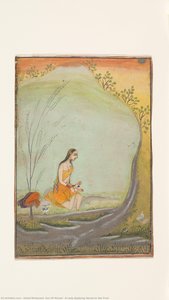
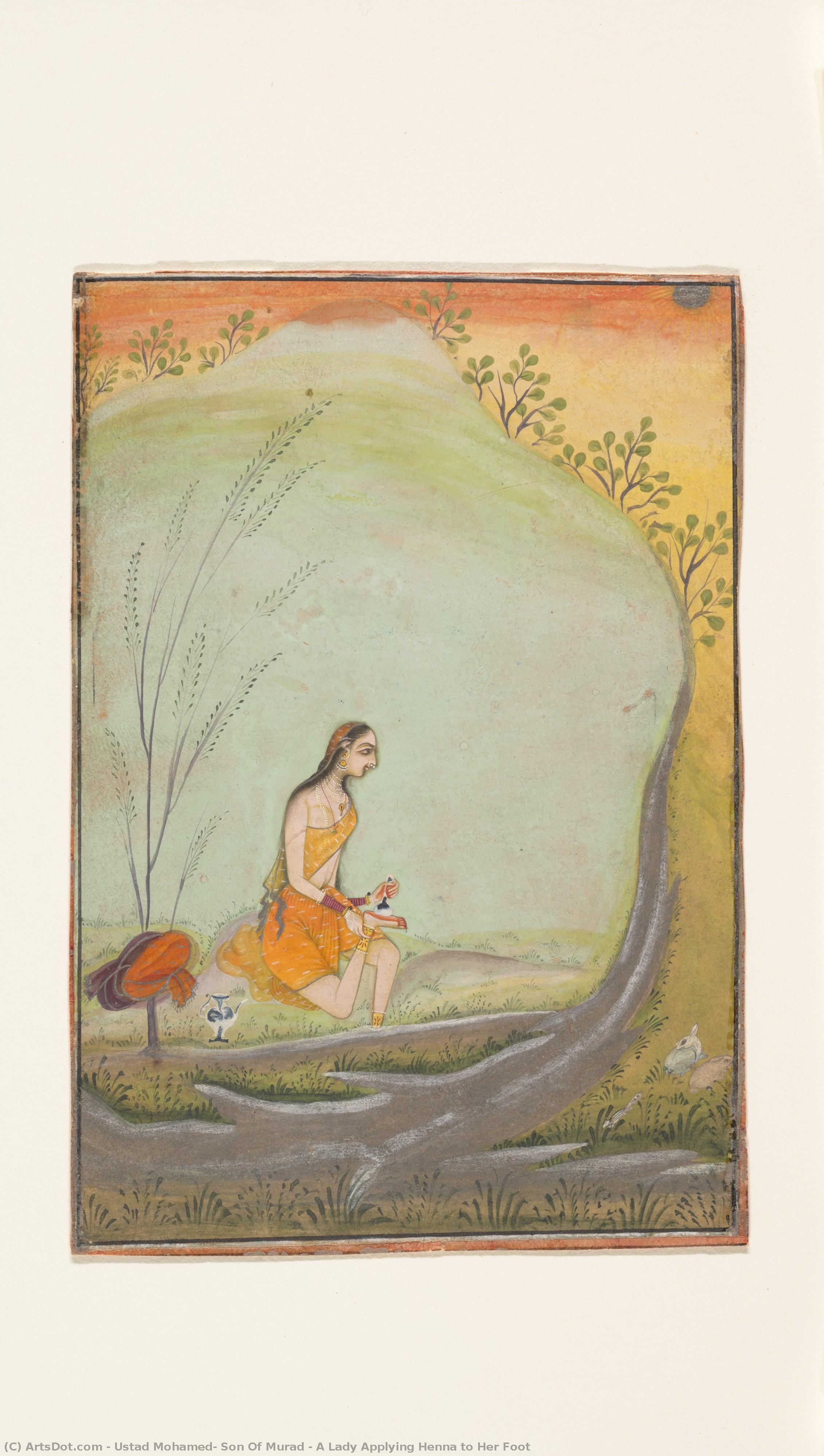
A Lady Applying Henna to Her Foot
 1720
1720 14.0 x 10.0 cm
 Read More
Hand Made Oil Reproduction
Hand-painted oil on canvas in your size and frame, made to order by our artists. ( Buy Print Buy Image)




































Pick from our preset sizes that match the artwork's original proportions.

You may enter your own dimensions to fit a specific frame or space. If your selected size does not match the original image's proportions, we will either crop the artwork or extend the painting with additional hand-painted elements. A digital mockup will be sent for your approval before production begins.
Please note that the on-screen preview does not reflect the actual cropping or extension. Only the mockup will accurately show the final composition.
While custom sizes are available, we recommend selecting a dimension from the predefined list to preserve the original proportions.
After order, ArtsDot.com team will email client for instructions and provide a mockup preview
Worldwide Delivery () in 3/4 weeks instead of standard 5 weeks. (1 September). No compromise on quality.

Free Worldwide Express Shipping

High-Quality Linen Canvas

Full Shipping Insurance

Customs Tax Refund Guarantee

True Color Matching Guarantee

60-Day Return Policy (Defects Only)

100% Money-Back Guarantee

Bulk Discount Offer
 Glass option is only available in size under 110 CM

A Lady Applying Henna to Her Foot
Reproduction Medium
Reproduction Size
-


Total Price
$ 263
Related Artworks








Artist Biography
A Legacy of Mughal Miniature Art: Exploring the Work of Ustad Mohamed Son of Murad
Ustad Mohamed son of Murad stands as a testament to the flourishing artistic traditions of 18th-century India, specifically within the Rajput and Mughal courts. Born around 1720 in Bikaner, Rajasthan, he emerged from a lineage steeped in craftsmanship and patronage—a crucial factor in shaping his distinctive style and contribution to Indian miniature painting. While biographical details remain scarce, scholars agree that Murad’s artistic prowess was nurtured by exposure to both Rajput aesthetics and the grandeur of Mughal imperial art, resulting in a synthesis that is uniquely his own.- Early Influences: The Rajput tradition emphasized bold colors, dramatic landscapes, and heroic narratives—elements subtly present in Murad's compositions. Simultaneously, he absorbed the meticulous detail and formalized conventions of Mughal painting, particularly concerning portraiture and decorative panels.
- Technique & Materials: Murad skillfully employed ink wash technique combined with opaque watercolor on paper. This method allowed for layering colors to achieve luminous effects and capturing nuanced tonal variations—a hallmark of Mughal miniature art. Precise brushwork and careful attention to textural subtleties further solidified his reputation as a master craftsman.
- Notable Works: Perhaps his most celebrated piece is “A Lady Applying Henna to Her Foot,” currently housed in The Metropolitan Museum of Art. This captivating depiction exemplifies Murad’s ability to convey emotion and elegance through restrained visual language. It showcases the delicate rendering of skin tones, henna paste, and ornate jewelry—elements characteristic of Mughal court life and reflecting an understanding of symbolic representation.
The Significance of Henna Motif in Murad's Art
The inclusion of henna application as a central motif in “A Lady Applying Henna to Her Foot” speaks volumes about the cultural context of Murad’s time. Henna holds deep symbolic significance within Indian traditions, representing fertility, beauty, and auspiciousness—themes frequently explored in Mughal miniature paintings. Murad's depiction transcends mere visual representation; it captures a moment of ritualistic grace and communicates an appreciation for cultural heritage. The meticulous detail with which he portrays the henna paste and its impact on the woman’s skin underscores his commitment to capturing authentic expressions of beauty and tradition.A Synthesis of Tradition: Murad's Artistic Vision
Murad’s artistic vision wasn’t merely about replicating established styles; it was about innovating within them—a hallmark of great artists throughout history. He skillfully blended Rajput boldness with Mughal refinement, creating a visual language that is both captivating and intellectually stimulating. His work demonstrates an astute understanding of compositional principles and color palettes—elements that contribute to the enduring appeal of his paintings.Historical Context & Legacy
Ustad Mohamed son of Murad’s oeuvre reflects the broader artistic landscape of the 18th century, a period marked by royal patronage and cultural exchange between India and Persia. His contribution to Indian miniature art is recognized as an important link in the chain of stylistic developments that culminated in the magnificent Mughal imperial court paintings. Although overshadowed by more prominent figures of his era, Murad’s meticulous craftsmanship and evocative imagery continue to inspire admiration among art historians and collectors alike—a testament to the enduring power of artistic excellence.Further Exploration
For a deeper understanding of Ustad Mohamed son of Murad's artistry, we encourage you to visit The Metropolitan Museum of Art’s online collection (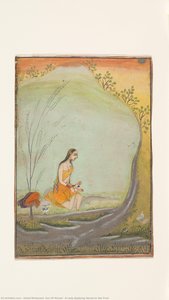
Quick Facts
- Artistic Movement Or Style: Ink & Watercolor
- Date Of Birth: Around 1720
- Full Name: Ustad Mohamed son of Murad
- Nationality: Indian
- Notable Artworks:
- A Lady Applying Henna to Her Foot
- A Lady Applying Henna to Her Raised Foot
- Place Of Birth: Bikaner, India