

 Preview
 Send
Send Share
Share
 Details

 Download
 Similars
 X-Ray
X-Ray Diaporama
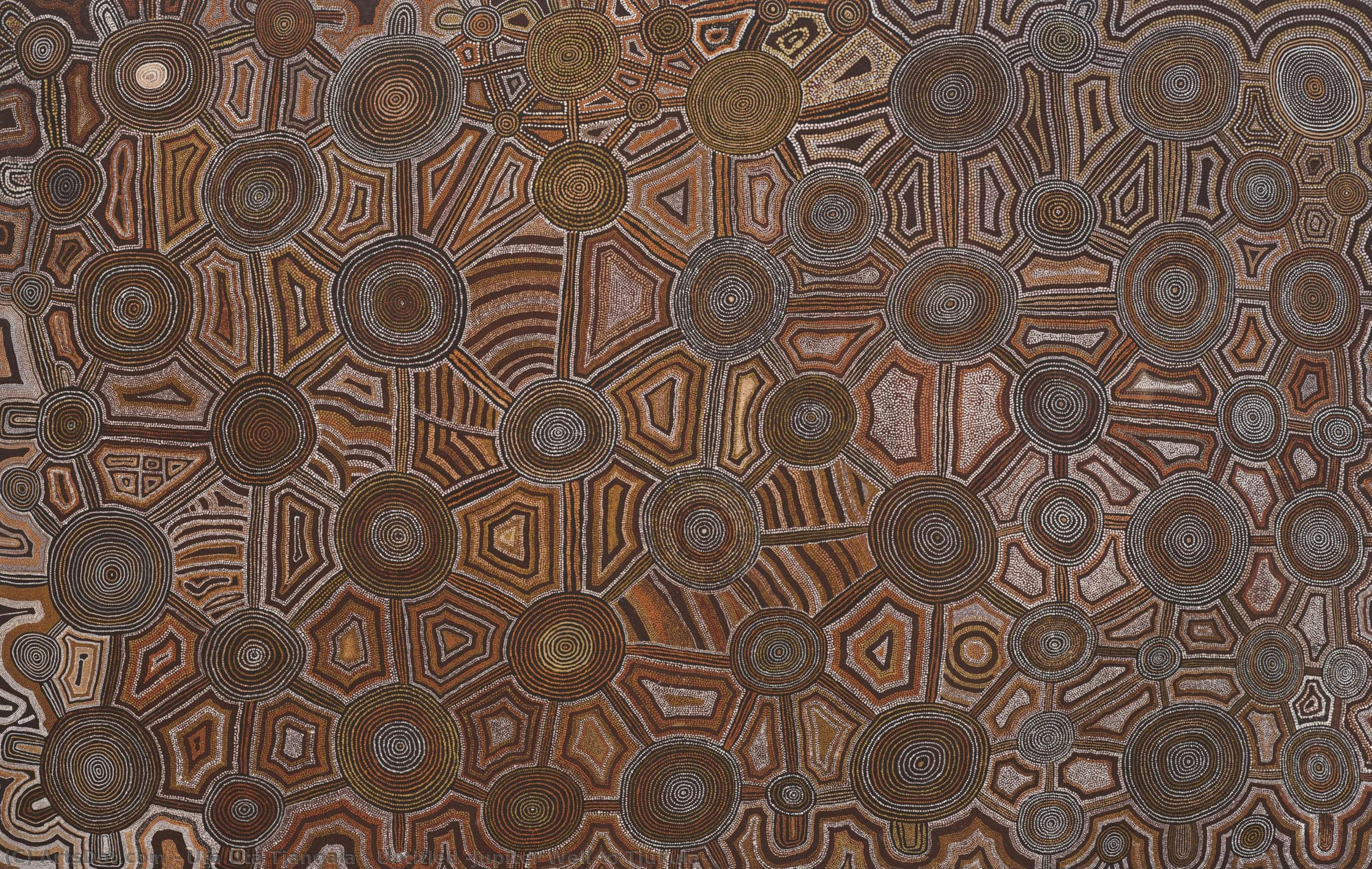
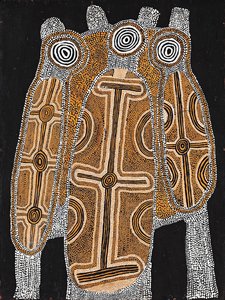
Untitled (Jupiter Well to Tjukula)
 1979
1979 230.0 x 380.0 cm
 Art Gallery of New South Wales
 Read More
Purchase a high-resolution, enhanced digital image, far superior to the online preview.
Each file is meticulously prepared by our in-house specialists using advanced tools and expert manual retouching. We ensure every image has exceptional clarity, precise color accuracy, and fine detail.
The final file is delivered via email within 72 hours, optimized for immediate use in professional, editorial, and print environments. This is the same quality trusted by top-tier design studios, publishers, and galleries.
Digital Image
Download a high-resolution file for personal display, printing, and creative projects. ( Buy Print Buy Hand Made Painting)
Included in Every Digital Image Order
Expert Digital Delivery, Guaranteed
When you choose ArtsDot.com, you're not just getting an image - you're receiving a professionally enhanced digital artwork, crafted with precision and backed by a satisfaction guarantee. Here's everything that comes with your order, automatically:

Fast Email Delivery
Your high-resolution digital image file will be emailed to you within 72 hours of ordering - ready for immediate use.

AI-Enhanced Digital File
Your artwork is professionally optimized using advanced AI tools and manual editing, ensuring maximum detail, clarity, and color accuracy.

Free Lifetime Re-Delivery
Accidentally deleted or lost your file? No worries - we'll resend it to you anytime, free of charge.

No Import Fees - Ever
Enjoy your artwork instantly with zero customs, duties, or delivery fees - digital downloads are always tax-free.

Color Accuracy Guarantee
We ensure your digital image reflects the original colors as closely as possible using professional tools and color management.

60-Day Satisfaction Guarantee
If you're not satisfied with your digital image, we'll revise it or refund 100% within 60 days - no questions asked.

100% Money-Back Guarantee
Not satisfied? Get a full refund within 60 days of receiving your digital file - no questions asked.

Bulk Order Discounts
Buy 3 images, save 10% - Buy 5, save 15% - Buy 10+, save 20%. Great for creative projects, galleries, and agencies.
Collectible Description
Related Artworks



Artist Biography
The Pioneering Vision of Uta Utu Tjangala
Uta Utu Tjangala, born around 1926 in the remote Drovers Hills region of Western Australia and passing away in 1990, stands as a monumental figure in the history of Australian Indigenous art. He wasn’t merely an artist; he was a cultural bridge, a storyteller who translated ancient Pintupi narratives onto canvas with a revolutionary visual language that captivated the world. His life unfolded against a backdrop of profound societal change for Aboriginal Australians, and his artistic journey became inextricably linked to the emergence of the Western Desert Art Movement – popularly known as ‘dot painting’ – at Papunya in the early 1970s. Before his foray into art, Uta Utu experienced the displacement common among many Pintupi people, leading his family on a challenging trek to Haasts Bluff during a severe drought. This period of transition and adaptation would deeply inform his artistic perspective, imbuing his work with a poignant sense of connection to country and ancestral traditions.The Genesis of a Movement at Papunya
Uta Utu’s arrival in Papunya marked the beginning of an extraordinary chapter, not just for himself but for Aboriginal art as a whole. Employed initially as a gardener at the local school, he was encouraged by teacher Geoffrey Bardon to visually express the stories and beliefs held sacred by his people. This encouragement sparked a remarkable artistic awakening among a group of Pintupi men, including Charlie Tarawa, Timmy Payungka, and Shorty Lungkata. They began painting on composition board, utilizing traditional symbols and iconography under a makeshift shelter behind the camp. These early works were raw and powerful, imbued with an energy born from deeply held cultural knowledge and the longing for their ancestral lands. The process wasn’t simply artistic; it was a ritualistic act, accompanied by chanting of song cycles that narrated the meanings embedded within the designs. However, these initial public exhibitions in Alice Springs in 1974 ignited controversy due to the revelation of previously secret sacred information, prompting a period of stylistic evolution and adaptation.A Unique Artistic Language: Dot Painting & Symbolic Depth
Uta Utu quickly distinguished himself through his innovative approach to dot painting. While others experimented with form, he developed a distinctive style characterized by bold, vibrant colors and intricate patterns that veiled the deeper sacred meanings within his compositions. His paintings weren’t merely representations of landscapes or events; they were complex maps of *Tjukurpa* – the Pintupi worldview encompassing ancestral stories, law, social structures, and connection to the land. He masterfully employed dotting techniques not just as an aesthetic element but as a means of obscuring sensitive knowledge from uninitiated viewers while simultaneously preserving its essence for those who understood its symbolism. Early works often featured major story elements with minimal in-fill, relying on color balance and weight to convey their power. As his career progressed, he increasingly layered dots, creating dense visual textures that hinted at the profound depth of the narratives they contained. His paintings frequently depicted vital aspects of Pintupi life – bush foods, animals, ancestral beings, and particularly the significant Yumari story, a tale of illicit coupling that became a recurring motif in his work.Legacy & Impact: A Lasting Cultural Resonance
Despite passing away in 1990, Uta Utu Tjangala’s artistic legacy continues to resonate powerfully within the Australian art world and beyond. His paintings are held in prestigious collections such as the Art Gallery of South Australia and the National Gallery of Victoria, serving as enduring testaments to his skill and vision. He wasn't just a painter; he was a leader who advocated for the return of desert people to their homelands during the late 1970s, establishing an outstation at Muyin in his traditional country. His monumental canvases like *Untitled (Jupiter Well to Tjukula)* and *Old Man at Yumari* are celebrated as pivotal works that helped establish Western Desert art on the international stage. Uta Utu’s influence extends beyond his individual creations. He played a crucial role in establishing conventions within Pintupi painting while simultaneously pushing against those boundaries, encouraging other artists to develop their own unique voices and styles.- Key Influences: Traditional Pintupi stories, the Western Desert landscape, and the collective energy of the Papunya Tula art movement.
- Artistic Movement: A central figure in the development of the Western Desert Art Movement, characterized by bold colors, intricate dot patterns, and symbolic representation of *Tjukurpa*.
- Major Themes: Ancestral stories, connection to country, Dreamtime narratives, ceremonial practices, and the challenges of cultural preservation.
uta uta tjangala
1990 , Australia
Quick Facts
- Artistic Movement Or Style: World Goes Pop
- Artists Or Movements Influenced By This Artist: ['Pop Art']
- Artists Who Influenced This Artist:
- Andy Warhol
- Roy Lichtenstein
- Date Of Death: 1990
- Notable Artworks:
- Untitled (Pop)
- Untitled (Pop)

