

 Preview
 Send
Send Share
Share
 Details

 Download
 Similars
 X-Ray
X-Ray Diaporama
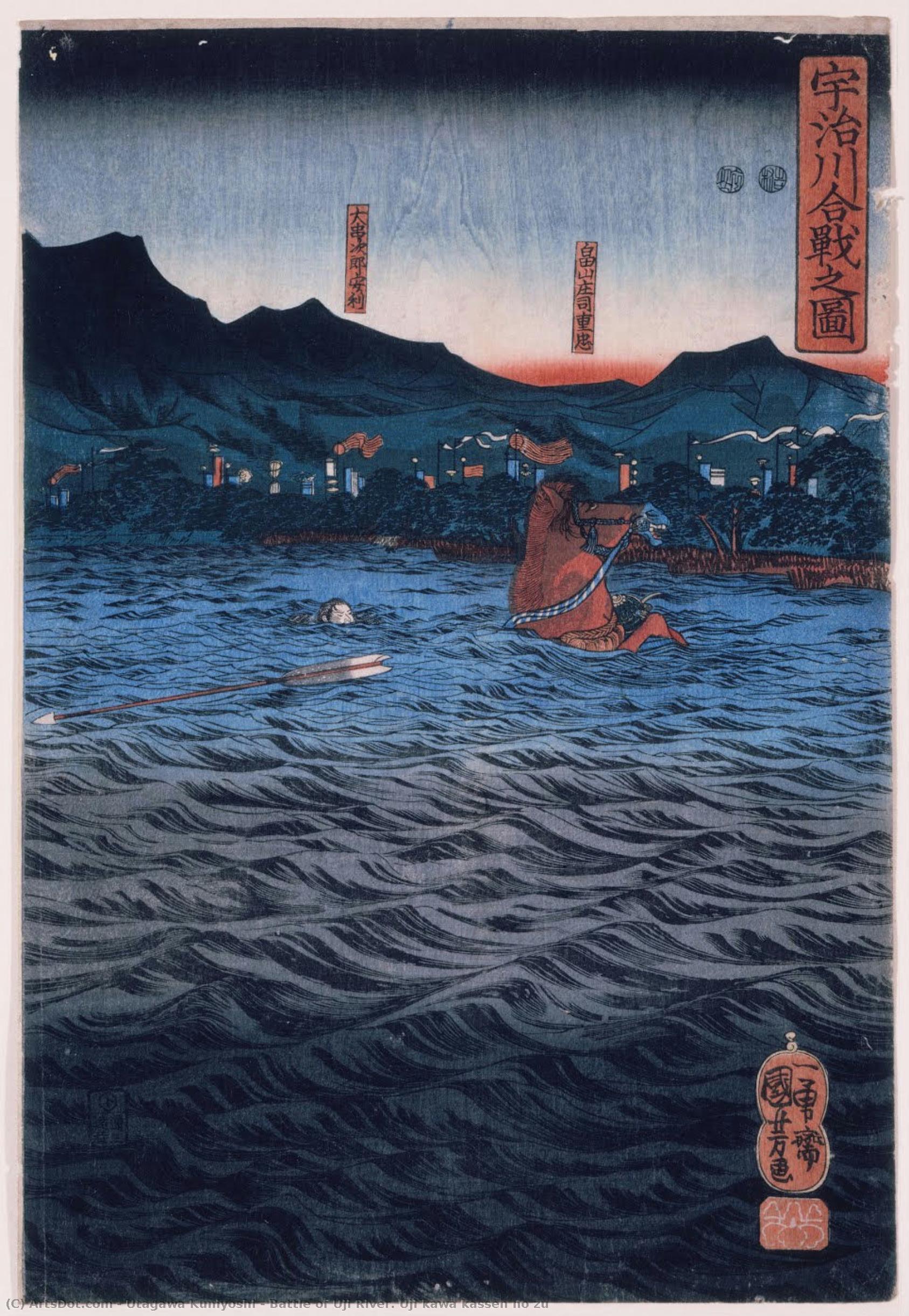
Battle of Uji River. Uji kawa kassen no zu
 Acrylic On Canvas
- WallArt
- Japanese Ukiyo-e
 37.0 x 25.0 cm
 Hammer Museum
 Read More
Purchase a high-resolution, enhanced digital image, far superior to the online preview.
Each file is meticulously prepared by our in-house specialists using advanced tools and expert manual retouching. We ensure every image has exceptional clarity, precise color accuracy, and fine detail.
The final file is delivered via email within 72 hours, optimized for immediate use in professional, editorial, and print environments. This is the same quality trusted by top-tier design studios, publishers, and galleries.
Digital Image
Download a high-resolution file for personal display, printing, and creative projects. ( Buy Print Buy Hand Made Painting)
Included in Every Digital Image Order
Expert Digital Delivery, Guaranteed
When you choose ArtsDot.com, you're not just getting an image - you're receiving a professionally enhanced digital artwork, crafted with precision and backed by a satisfaction guarantee. Here's everything that comes with your order, automatically:

Fast Email Delivery
Your high-resolution digital image file will be emailed to you within 72 hours of ordering - ready for immediate use.

AI-Enhanced Digital File
Your artwork is professionally optimized using advanced AI tools and manual editing, ensuring maximum detail, clarity, and color accuracy.

Free Lifetime Re-Delivery
Accidentally deleted or lost your file? No worries - we'll resend it to you anytime, free of charge.

No Import Fees - Ever
Enjoy your artwork instantly with zero customs, duties, or delivery fees - digital downloads are always tax-free.

Color Accuracy Guarantee
We ensure your digital image reflects the original colors as closely as possible using professional tools and color management.

60-Day Satisfaction Guarantee
If you're not satisfied with your digital image, we'll revise it or refund 100% within 60 days - no questions asked.

100% Money-Back Guarantee
Not satisfied? Get a full refund within 60 days of receiving your digital file - no questions asked.

Bulk Order Discounts
Buy 3 images, save 10% - Buy 5, save 15% - Buy 10+, save 20%. Great for creative projects, galleries, and agencies.
The Battle of Uji River – A Dramatic Tableau of Samurai Valor
Utagawa Kuniyoshi’s “Battle of Uji River,” painted between 1848 and 1850, stands as a quintessential example of *nishiki-e*, or polychrome woodblock printing, capturing the fervor and grandeur of samurai warfare against a backdrop of breathtaking natural beauty. This monumental print transcends mere depiction; it’s an immersive experience designed to evoke emotion and convey profound themes of courage, resilience, and the ephemeral nature of glory.
The scene unfolds on the Uji River, a tributary of Kyoto’s Kamogawa River, famed for its scenic splendor. Kuniyoshi skillfully juxtaposes this tranquil landscape with the tumultuous clash between two warring clans – the Tokugawa and Mito factions – vying for control during Japan's turbulent Edo Period. Five boats brimming with samurai warriors dominate the composition, their oars propelling them forward amidst swirling eddies and spray.
Kuniyoshi’s masterful technique is immediately apparent. He employs a vibrant palette of colors—deep reds, blues, greens, and yellows—to heighten the drama and convey atmospheric conditions. The artist meticulously renders textures with remarkable precision, capturing the glistening wetness of the river surface and the rugged contours of the mountains flanking the battlefield. These details contribute to an unparalleled sense of realism that was revolutionary for its time.
Symbolism Embedded in Every Stroke
Beyond its visual splendor, “Battle of Uji River” is laden with symbolic significance. The mountains represent stability and permanence—a contrast to the fleeting battles fought below. The swirling water symbolizes chaos and uncertainty, mirroring the anxieties surrounding political upheaval. Furthermore, Kuniyoshi’s depiction of warriors engaged in combat speaks to the samurai ethos of honor, duty, and unwavering resolve.
The central figure is a warrior wielding a katana with determination etched on his face—a visual embodiment of courage and martial prowess. Surrounding him are other soldiers, each contributing to the dynamic energy of the scene. The artist’s careful positioning of these figures reinforces the narrative's core message: bravery triumphs over adversity.
A Legacy of Artistic Innovation
"Battle of Uji River" cemented Kuniyoshi’s reputation as one of Japan’s greatest artists and profoundly influenced subsequent generations of printmakers. His innovative use of color, combined with his meticulous attention to detail, established new standards for *nishiki-e* and elevated it to the level of fine art. The print's enduring appeal lies in its ability to transport viewers back to a pivotal moment in Japanese history while simultaneously celebrating the sublime beauty of nature.
Reproductions of this iconic artwork continue to inspire collectors and interior designers alike, offering a glimpse into Japan’s artistic heritage and capturing the spirit of an era defined by samurai valor. Its dramatic composition and masterful execution ensure that “Battle of Uji River” remains a timeless masterpiece for decades to come.
Related Artworks

Artist Biography
A Life Immersed in the Floating World
Utagawa Kuniyoshi, born Yoshisaburō on January 1, 1798, in Edo (modern-day Tokyo), stands as a towering figure at the close of the *ukiyo-e* tradition – the “pictures of the floating world” that so vividly captured Japanese life during the Edo period. His journey began not amidst artistic circles, but within the practical realm of his father’s silk-dyeing business. This early exposure to color and pattern would subtly inform his later work, imbuing it with a distinctive vibrancy. Even as a young boy, however, Kuniyoshi was captivated by the dramatic world of *ukiyo-e*, particularly the heroic imagery of warriors and artisans that populated popular prints. These formative impressions ignited within him a passion that would define his life’s pursuit. He entered the studio of Utagawa Toyokuni I in 1811, adopting the name Kuniyoshi and embarking on a rigorous apprenticeship that honed his skills and introduced him to the conventions of the Utagawa school.From Humble Beginnings to Masterful Innovation
Kuniyoshi’s early career was marked by a period of relative obscurity. While proficient in the established styles, he struggled to find his unique voice amidst the crowded landscape of Edo printmaking. His initial works largely mirrored those of his teacher, offering little that distinguished him from his contemporaries. However, this period of exploration proved crucial. He experimented with various genres and techniques, gradually developing a distinctive approach characterized by dynamic compositions, bold colors, and an increasingly sophisticated understanding of narrative storytelling. The breakthrough came in 1827 with the release of *The One Hundred and Eight Heroes of the Popular Suikoden*, a monumental series based on the Chinese novel *Shui Hu Zhuan*. This work catapulted Kuniyoshi to fame, establishing him as a master of *musha-e* – warrior prints. The series wasn’t merely an illustration of heroic tales; it was a showcase for Kuniyoshi's burgeoning talent for dramatic composition and characterization. He didn’t simply depict warriors; he brought them to life with compelling emotion and intricate detail.A Synthesis of Tradition and Western Influence
What truly sets Kuniyoshi apart is his willingness to embrace innovation while remaining deeply rooted in Japanese artistic traditions. As the Edo period drew to a close, Japan experienced increasing contact with the West, and Kuniyoshi was among the first *ukiyo-e* artists to incorporate elements of Western perspective and shading into his work. This wasn’t simply imitation; he skillfully integrated these techniques to enhance depth, realism, and dramatic impact. His landscapes, in particular, demonstrate a masterful command of atmospheric effects and spatial relationships, often evoking a sense of grandeur and awe. Beyond technique, Kuniyoshi expanded the subject matter of *ukiyo-e*. While traditional themes like beautiful women and Kabuki actors remained popular, he ventured into new territory, depicting historical scenes, mythological creatures, and even satirical commentaries on contemporary society. His triptych *In Minamoto’s Residence the Earth Spider Appears as a Monster* (1843) is a prime example of this daring approach, cleverly disguising political criticism within a fantastical narrative.Legacy of a Visionary
Kuniyoshi's influence on subsequent generations of artists is undeniable. He left behind a vast and diverse body of work – estimated to number over 5,000 designs – that continues to inspire awe and admiration today. His innovative blending of traditional Japanese aesthetics with Western techniques paved the way for new artistic possibilities, while his willingness to challenge conventions broadened the scope of *ukiyo-e*. He trained numerous students, including Yoshitoshi, who would carry on his legacy into the Meiji period.- Notable series: *The One Hundred and Eight Heroes of the Popular Suikoden*, a landmark achievement in warrior printmaking.
- Masterful compositions: His ability to create dynamic, visually arresting scenes remains unparalleled.
- Innovative techniques: The integration of Western perspective and shading revolutionized *ukiyo-e* landscape painting.
- Broadened subject matter: He expanded the boundaries of *ukiyo-e*, exploring new themes and narratives.
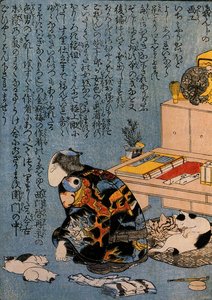
Utagawa Kuniyoshi
1797 - 1861 , Japan
Quick Facts
- Artistic Movement Or Style: Ukiyo-e
- Artists Or Movements Influenced By This Artist: ['Ozawa Tsuyoshi']
- Artists Who Influenced This Artist: ['Utagawa Toyokuni']
- Date Of Birth: January 1, 1798
- Date Of Death: April 14, 1861
- Full Name: Utagawa Kuniyoshi
- Nationality: Japanese
- Notable Artworks:
- One hundred and eight heroes...
- The ghost of taira no tomomori
- The gōjō bridge
- Place Of Birth: Tokyo, Japan

