 Preview
 Send
Send Share
Share
 Details

 Download
 Similars
 X-Ray
X-Ray Diaporama
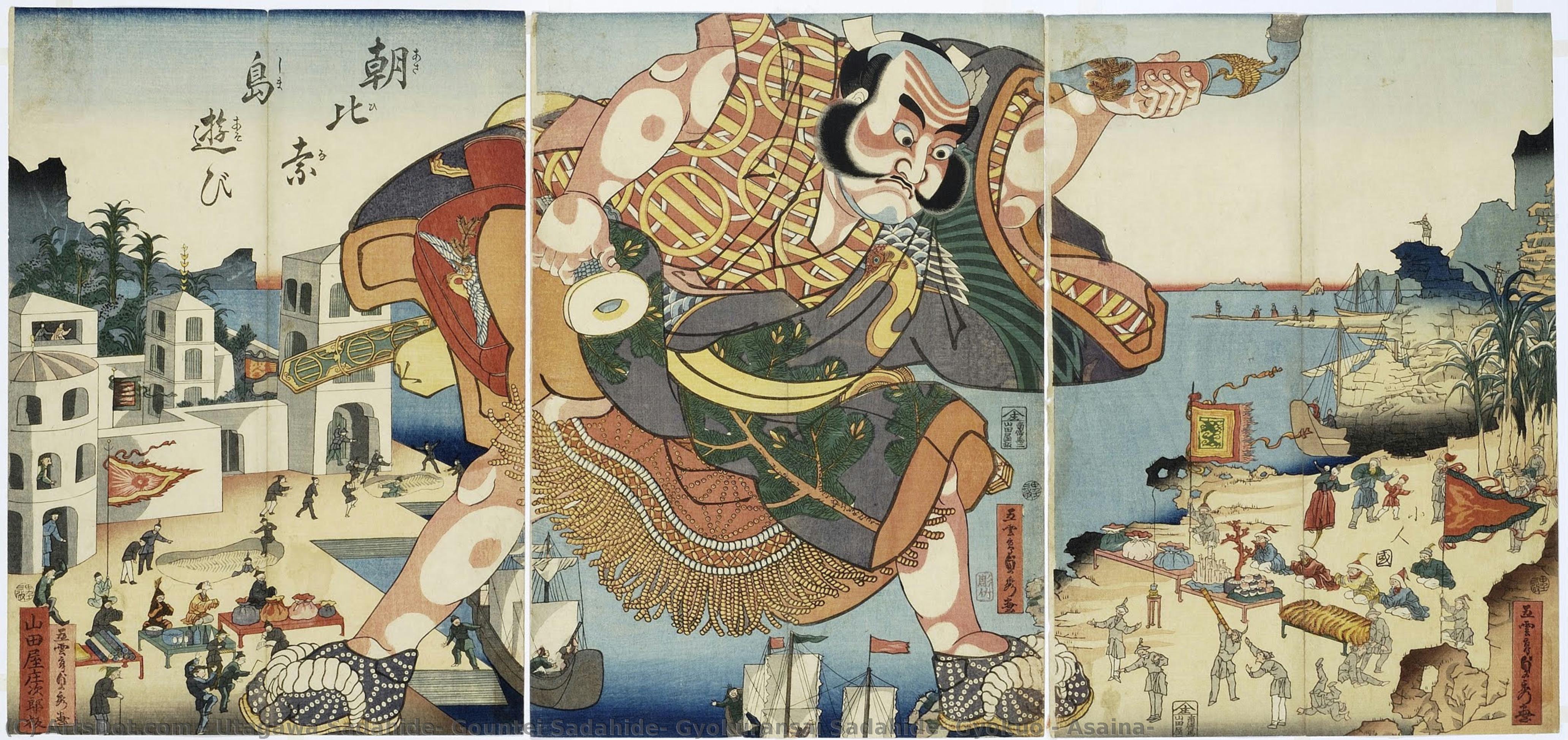
Asaina
 24.0 x 35.0 cm
 Tobacco and Salt Museum
 Read More
Giclée / Art Print
Museum-quality giclée or canvas print with fast production and flexible finish options. ( Buy Hand Made Painting Buy Image)




































Pick from our preset sizes that match the artwork's original proportions.

You may enter your own dimensions to fit a specific frame or space. If your selected size does not match the original image's proportions, we will either crop the artwork or extend the image with a mirrored or solid-fill edge. A digital mockup will be sent for your approval before production begins.
Please note that the on-screen preview does not reflect the actual cropping or extension. Only the mockup will accurately show the final composition.
While custom sizes are available, we recommend selecting a dimension from the predefined list to preserve the original proportions.
Worldwide Delivery () in 2 weeks instead of standard 4/5 weeks. (26 August)

Free Worldwide Express Shipping

High-Quality Linen Canvas

Full Shipping Insurance

Customs Tax Refund Guarantee

True Color Matching Guarantee

60-Day Return Policy (Defects Only)

100% Money-Back Guarantee

Bulk Discount Offer
 Glass option is only available in size under 110 CM

Asaina
Giclée / Art Print
Reproduction Size
-


Total Price
$ 63
Related Artworks








Artist Biography
The Versatile Brush of Utagawa Sadahide
Utagawa Sadahide, a name that appears under several pseudonyms – Gountei Sadahide, Gyokuransai Sadahide, and Gyokuō – represents a fascinating figure in the late Edo period’s ukiyo-e world. Born sometime in the early 19th century (precise dates remain elusive), Sadahide was not merely an artist; he was a chronicler of his time, a master of diverse genres, and a pivotal link between traditional woodblock printing and the burgeoning demands for contemporary imagery. Unlike many of his contemporaries who specialized in actor portraits or landscapes, Sadahide’s strength lay in his remarkable adaptability. He embraced everything from historical scenes and battle narratives to depictions of famous courtesans, popular theater, and even foreign subjects – a testament to both his skill and the rapidly changing world around him. His long career spanned a period of immense social and political upheaval in Japan, and his work reflects this dynamic era with striking clarity.A Life Immersed in Edo’s Visual Culture
Details regarding Sadahide's early life are scarce, as was common for many ukiyo-e artists who prioritized production over personal documentation. It is believed he began his artistic training within the Utagawa school, a prominent workshop known for its prolific output of actor prints. However, Sadahide quickly distinguished himself by branching out into areas less explored by his peers. He wasn’t content to simply replicate established styles; instead, he synthesized influences from various sources, including earlier masters like Hokusai and Kuniyoshi, while simultaneously responding to the immediate needs of a growing urban audience hungry for novelty. The adoption of multiple art names (gō) throughout his career suggests a deliberate strategy – perhaps to cater to different markets or to signify shifts in artistic focus. This practice was not uncommon, allowing artists to maintain flexibility and explore diverse creative avenues without compromising their established reputation. His prolific output indicates a dedicated workshop with numerous assistants, typical of the ukiyo-e production model.Themes and Techniques: A Broad Spectrum
Sadahide’s artistic repertoire was exceptionally broad. He is perhaps best known for his series depicting historical events, particularly those relating to Japan's warrior past. These prints often featured dynamic compositions, vivid colors, and a keen attention to detail in the rendering of armor, weaponry, and battle formations. However, he didn’t limit himself to grand narratives. His depictions of courtesans, while less numerous than those by artists like Utamaro or Shunsho, demonstrate a delicate sensitivity and an appreciation for feminine beauty. He also excelled at capturing scenes from everyday life in Edo, providing valuable glimpses into the customs, fashions, and entertainment of the period. Technically, Sadahide was a skilled woodblock carver and printer, capable of achieving remarkable effects with color and texture. His prints often employed bold outlines, sophisticated shading techniques, and a masterful use of perspective – elements that contributed to their visual impact and enduring appeal. He embraced the advancements in printing technology available during his lifetime, experimenting with new pigments and paper types to enhance the quality and vibrancy of his work. His series focusing on foreign countries, particularly those opened to trade by Commodore Perry, are notable for their attempts at accurate representation (though often filtered through a Japanese aesthetic lens) and reflect the growing curiosity about the outside world.Legacy and Historical Significance
Utagawa Sadahide’s significance lies not in revolutionizing ukiyo-e with a singular, groundbreaking style, but rather in his ability to adapt and thrive within a rapidly changing artistic landscape. He bridged the gap between the traditional woodblock print and the demands of a modernizing Japan. His work provides an invaluable visual record of the late Edo period – its history, culture, and social transformations.- He documented key historical events, offering insights into Japanese perceptions of their own past.
- His prints captured the essence of contemporary life in Edo, preserving details of fashion, entertainment, and daily routines.
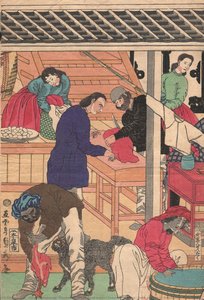
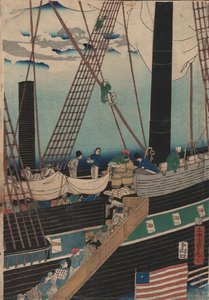
- Sadahide’s exploration of foreign subjects reflects Japan's growing engagement with the outside world during the late 19th century.
- He demonstrated a remarkable versatility, mastering diverse genres and techniques throughout his long career.