

 Preview
 Send
Send Share
Share
 Details

 Download
 Similars
 X-Ray
X-Ray Diaporama
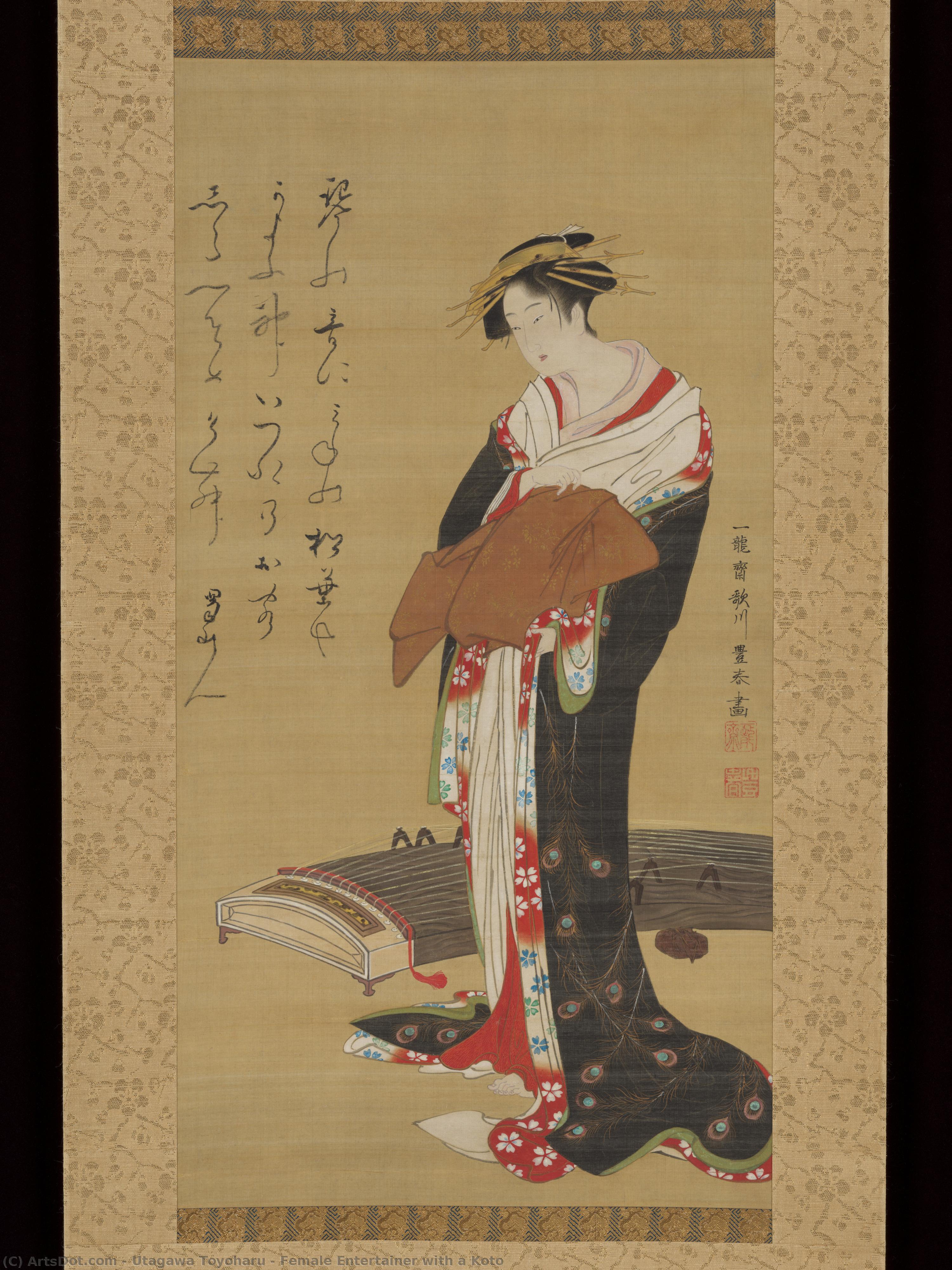
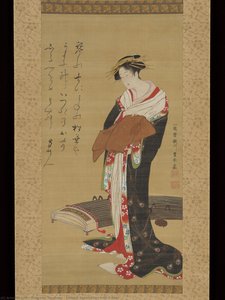
Female Entertainer with a Koto


 Read More
Purchase a high-resolution, enhanced digital image, far superior to the online preview.
Each file is meticulously prepared by our in-house specialists using advanced tools and expert manual retouching. We ensure every image has exceptional clarity, precise color accuracy, and fine detail.
The final file is delivered via email within 72 hours, optimized for immediate use in professional, editorial, and print environments. This is the same quality trusted by top-tier design studios, publishers, and galleries.
Digital Image
Download a high-resolution file for personal display, printing, and creative projects. ( Buy Print Buy Hand Made Painting)
Included in Every Digital Image Order
Expert Digital Delivery, Guaranteed
When you choose ArtsDot.com, you're not just getting an image - you're receiving a professionally enhanced digital artwork, crafted with precision and backed by a satisfaction guarantee. Here's everything that comes with your order, automatically:

Fast Email Delivery
Your high-resolution digital image file will be emailed to you within 72 hours of ordering - ready for immediate use.

AI-Enhanced Digital File
Your artwork is professionally optimized using advanced AI tools and manual editing, ensuring maximum detail, clarity, and color accuracy.

Free Lifetime Re-Delivery
Accidentally deleted or lost your file? No worries - we'll resend it to you anytime, free of charge.

No Import Fees - Ever
Enjoy your artwork instantly with zero customs, duties, or delivery fees - digital downloads are always tax-free.

Color Accuracy Guarantee
We ensure your digital image reflects the original colors as closely as possible using professional tools and color management.

60-Day Satisfaction Guarantee
If you're not satisfied with your digital image, we'll revise it or refund 100% within 60 days - no questions asked.

100% Money-Back Guarantee
Not satisfied? Get a full refund within 60 days of receiving your digital file - no questions asked.

Bulk Order Discounts
Buy 3 images, save 10% - Buy 5, save 15% - Buy 10+, save 20%. Great for creative projects, galleries, and agencies.
Collectible Description
Related Artworks
Artist Biography
Early Life and Artistic Foundations
Utagawa Toyoharu, born circa 1735 in the rural province of Tajima, stands as a pivotal figure in the history of Japanese art—the founder of the prolific Utagawa school and a true innovator within the *ukiyo-e* tradition. His journey began not in the bustling artistic centers of Edo (modern Tokyo), but in Kyoto, where he initially immersed himself in the refined techniques of the Kanō school under the tutelage of Tsuruzawa Tangei. This early exposure to classical Japanese painting instilled a foundational understanding of form and composition that would later be subtly yet powerfully reinterpreted through his unique lens.
Around 1763, Toyoharu relocated to Edo, seeking further artistic development under the guidance of Toriyama Sekien, a master known for his depictions of folklore and literary subjects. It’s believed the “Toyo” character in his art name, Toyoharu (豊春), was adopted from Sekien's personal name, Toyofusa (豊房)—a gesture signifying respect and artistic lineage. He also studied under Ishikawa Toyonobu and Nishimura Shigenaga, absorbing diverse influences that would shape his evolving style. During this period, he utilized a variety of art names including Ichiryūsai (一竜斎 ), Senryūsai (潜竜斎), and Shōjirō (松爾楼) alongside his common name, Tajimaya Shōjirō (但馬屋 庄次郎), and personal names Masaki (昌樹) and Shin'emon (新右衛門).
The Birth of *Uki-e* and Western Perspective
Toyoharu’s artistic breakthrough came around 1768 with the emergence of his *uki-e*—"floating pictures"—a genre that would revolutionize Japanese printmaking. While not the absolute first to experiment with perspective in *ukiyo-e*, he was the pioneer who brought this technique to life through the vibrant, full-color *nishiki-e* method. Prior attempts at perspective prints lacked the sophistication and depth Toyoharu achieved. He masterfully integrated Western geometrical principles into his compositions, creating a compelling illusion of three-dimensionality previously unseen in Japanese art.
His early *uki-e* focused on landscapes and famous sites around Edo—theatres, temples, teahouses—rendered with meticulous detail and an unprecedented sense of realism. These weren’t merely copies of Western prints; Toyoharu adapted the principles to suit Japanese aesthetics, creating a distinctly new visual language. He didn't simply replicate perspective but used it to enhance the emotional impact and narrative quality of his scenes. This marked a turning point in *ukiyo-e*, shifting the focus from figures as the primary subject to landscapes as equally important elements—a radical departure from tradition.
Establishing the Utagawa School
The 1780s witnessed Toyoharu’s increasing dedication to painting, alongside his continued printmaking endeavors. This period solidified his position as a leading artist and laid the groundwork for the establishment of the Utagawa school—a dynasty that would dominate *ukiyo-e* throughout the 19th century. His most notable pupils included Utagawa Toyokuni I, who succeeded him as head of the school and propelled it to unprecedented fame.
The success of the Utagawa school can be attributed to its adaptability and diverse range of styles. While Toyoharu pioneered landscape and perspective views, his successors expanded into *bijin-ga* (beautiful women), *yakusha-e* (actor prints), and other popular genres. Artists like Utamaro, Hiroshige, and Kuniyoshi—all members of the Utagawa school—built upon Toyoharu’s foundation, each contributing their unique talents to the ever-evolving world of *ukiyo-e*. The school's influence is undeniable; it’s estimated that over half of all surviving *ukiyo-e* prints today bear the mark of the Utagawa lineage.
Legacy and Historical Significance
Utagawa Toyoharu’s impact extends far beyond his own artistic output. He fundamentally altered the course of Japanese printmaking, introducing a new level of realism and depth that captivated audiences and inspired generations of artists. His integration of Western perspective wasn't merely a technical innovation; it was a cultural exchange—a subtle yet profound blending of Eastern and Western aesthetics.
His legacy is not simply one of technique but also of subject matter. By elevating the landscape to prominence, Toyoharu broadened the scope of *ukiyo-e*, transforming it from a genre focused primarily on the “floating world” of urban life to encompass the beauty and grandeur of the natural world. He opened up new avenues for artistic expression and paved the way for the iconic landscapes that would define Japanese art in the centuries to come. Toyoharu’s serene prints and paintings continue to resonate today, offering a glimpse into a pivotal moment in Japanese history—a time of cultural innovation and artistic transformation.
utagawa toyoharu
1735 - 1814
Quick Facts
- Artistic Movement Or Style: Ukiyo-e
- Artists Or Movements Influenced By This Artist:
- Utagawa school
- Utamaro
- Hiroshige
- Kuniyoshi
- Artists Who Influenced This Artist:
- Tsuruzawa Tangei
- Toriyama Sekien
- Date Of Birth: c. 1735
- Date Of Death: 1814
- Full Name: Utagawa Toyoharu
- Nationality: Japanese
- Notable Artworks:
- Female Entertainer with a Koto
- Perspective Picture of Kabuki Theater
- A Winter Party
- Shoki the Demon Queller
- Place Of Birth: Toyooka, Japan

