

 Preview
 Send
Send Share
Share
 Details

 Download
 Similars
 X-Ray
X-Ray Diaporama
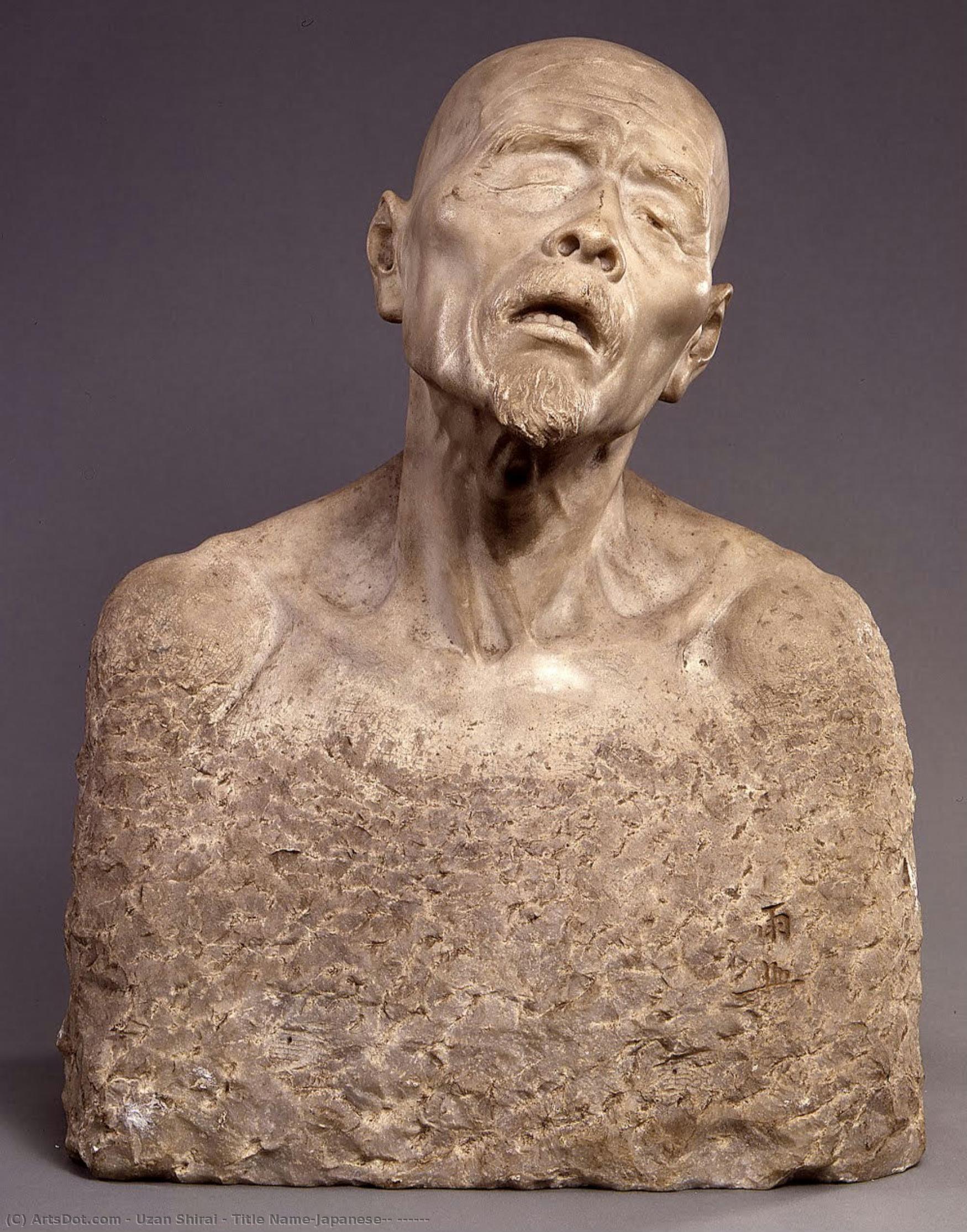
Title Name(Japanese): たよりなき身
 43.0 x 55.0 cm
 Read More
Purchase a high-resolution, enhanced digital image, far superior to the online preview.
Each file is meticulously prepared by our in-house specialists using advanced tools and expert manual retouching. We ensure every image has exceptional clarity, precise color accuracy, and fine detail.
The final file is delivered via email within 72 hours, optimized for immediate use in professional, editorial, and print environments. This is the same quality trusted by top-tier design studios, publishers, and galleries.
Digital Image
Download a high-resolution file for personal display, printing, and creative projects. ( Buy Print Buy Hand Made Painting)
Included in Every Digital Image Order
Expert Digital Delivery, Guaranteed
When you choose ArtsDot.com, you're not just getting an image - you're receiving a professionally enhanced digital artwork, crafted with precision and backed by a satisfaction guarantee. Here's everything that comes with your order, automatically:

Fast Email Delivery
Your high-resolution digital image file will be emailed to you within 72 hours of ordering - ready for immediate use.

AI-Enhanced Digital File
Your artwork is professionally optimized using advanced AI tools and manual editing, ensuring maximum detail, clarity, and color accuracy.

Free Lifetime Re-Delivery
Accidentally deleted or lost your file? No worries - we'll resend it to you anytime, free of charge.

No Import Fees - Ever
Enjoy your artwork instantly with zero customs, duties, or delivery fees - digital downloads are always tax-free.

Color Accuracy Guarantee
We ensure your digital image reflects the original colors as closely as possible using professional tools and color management.

60-Day Satisfaction Guarantee
If you're not satisfied with your digital image, we'll revise it or refund 100% within 60 days - no questions asked.

100% Money-Back Guarantee
Not satisfied? Get a full refund within 60 days of receiving your digital file - no questions asked.

Bulk Order Discounts
Buy 3 images, save 10% - Buy 5, save 15% - Buy 10+, save 20%. Great for creative projects, galleries, and agencies.
Related Artworks








Artist Biography
Uzan Shirai: Echoes of a Shanshui Soul
Uzan Shirai (1864-1928), born White River, was more than just a Japanese artist; he was a conduit between the traditions of Chinese landscape painting – *Shanshui* – and the burgeoning modern art scene of early 20th century Japan. His life, marked by both profound personal loss and an unwavering dedication to his craft, reveals a deep connection to nature’s melancholic beauty and a subtle yet powerful resistance against the encroaching Western influences reshaping the nation. Shirai's work isn’t simply depictions of mountains and water; they are imbued with a poignant sense of solitude and a yearning for something lost – a feeling that resonates deeply within his evocative monochrome landscapes.Early Life and Influences: A Shadowed Beginning
Born White River, in what is now Ehime Prefecture, Shirai’s early life was profoundly shaped by tragedy. His father, a local magistrate, died when he was young, leaving him to be raised by his mother, who tragically succumbed to illness just a few years later. This early exposure to loss instilled within him a lifelong preoccupation with themes of impermanence and the fragility of existence – themes that would become central to his artistic vision. Crucially, Shirai’s artistic journey began not through formal training but through self-directed study of Chinese *Shanshui* painting, particularly the works of masters like Yun Shitao and Bada Shanren. He meticulously copied their techniques, absorbing their understanding of capturing atmospheric perspective, the subtle interplay of light and shadow, and the profound emotional resonance of natural forms. This deep immersion in classical Chinese aesthetics provided a bedrock for his own unique style, one that retained a reverence for tradition while subtly pushing its boundaries.The Monochrome Landscape: A Language of Emotion
Shirai’s most celebrated works are undoubtedly his monochrome ink wash paintings – *sumi-e*. He eschewed the vibrant colors favored by many of his contemporaries, opting instead for a restricted palette of black and white. This deliberate choice wasn't merely stylistic; it was a conscious decision to strip away superficiality and focus on the essential elements of form, texture, and atmosphere. His landscapes are often characterized by stark contrasts – jagged peaks against misty valleys, turbulent streams flowing through desolate plains. These aren’t idyllic scenes of pastoral beauty; they are imbued with a sense of quiet melancholy, reflecting the artist's own personal grief and his broader contemplation on the transient nature of life. The deliberate use of broken brushstrokes and varying densities of ink creates a dynamic surface that seems to shimmer with movement and depth – inviting the viewer to lose themselves in the scene’s contemplative mood.Key Works and Recognition
Several works stand out as particularly significant examples of Shirai's artistic development. “Thick Wood” (1923), a powerful depiction of a solitary pine tree silhouetted against a turbulent sky, exemplifies his ability to convey both the grandeur and vulnerability of nature. The painting’s stark monochrome palette and dynamic brushwork create a sense of dramatic tension, capturing the essence of a storm-swept landscape. “Title Name(Japanese): たよりなき身” (1912), often translated as "A Lonely Old Man," is another poignant work that explores themes of isolation and reflection. The painting’s composition – a solitary figure gazing out at an expansive vista – speaks volumes about the artist's own sense of detachment and his profound connection to the natural world. These works, along with others in the Tokyo National Museum collection, offer a compelling glimpse into Shirai’s artistic vision and his enduring legacy.Legacy and Historical Significance
Uzan Shirai’s influence extends far beyond his own lifetime. He played a crucial role in preserving and revitalizing *Shanshui* painting within Japan, introducing its principles to a new generation of artists. His commitment to monochrome and his emphasis on emotional expression paved the way for later developments in Japanese modern art, particularly in movements like Expressionism and Abstract Art. While often overshadowed by more flamboyant figures of the era, Shirai’s quiet intensity and profound sensitivity continue to resonate with viewers today. He remains a testament to the power of art to express complex emotions and to capture the enduring beauty – and melancholy – of the natural world. His work serves as a poignant reminder that even in moments of personal loss, there is still space for contemplation, reflection, and ultimately, artistic creation.
uzan shirai
1864 - 1928 , Japan
Quick Facts
- Artistic Movement Or Style: Shanshui painting
- Artists Or Movements Influenced By This Artist: ['Modern Japanese art']
- Artists Who Influenced This Artist: ['Classical Chinese Shanshui artists']
- Date Of Birth: 1864
- Date Of Death: 1928
- Full Name: Uzan Shirai
- Nationality: Japanese
- Notable Artworks:
- Thick Wood
- Forlorn Old Man
- Place Of Birth: Iyo no Kuni (Ehime, Japan)

