 Preview
 Send
Send Share
Share
 Details

 Download
 Similars
 X-Ray
X-Ray Diaporama
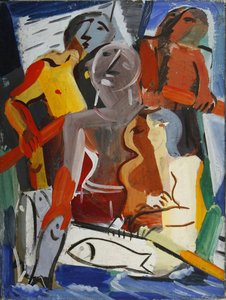
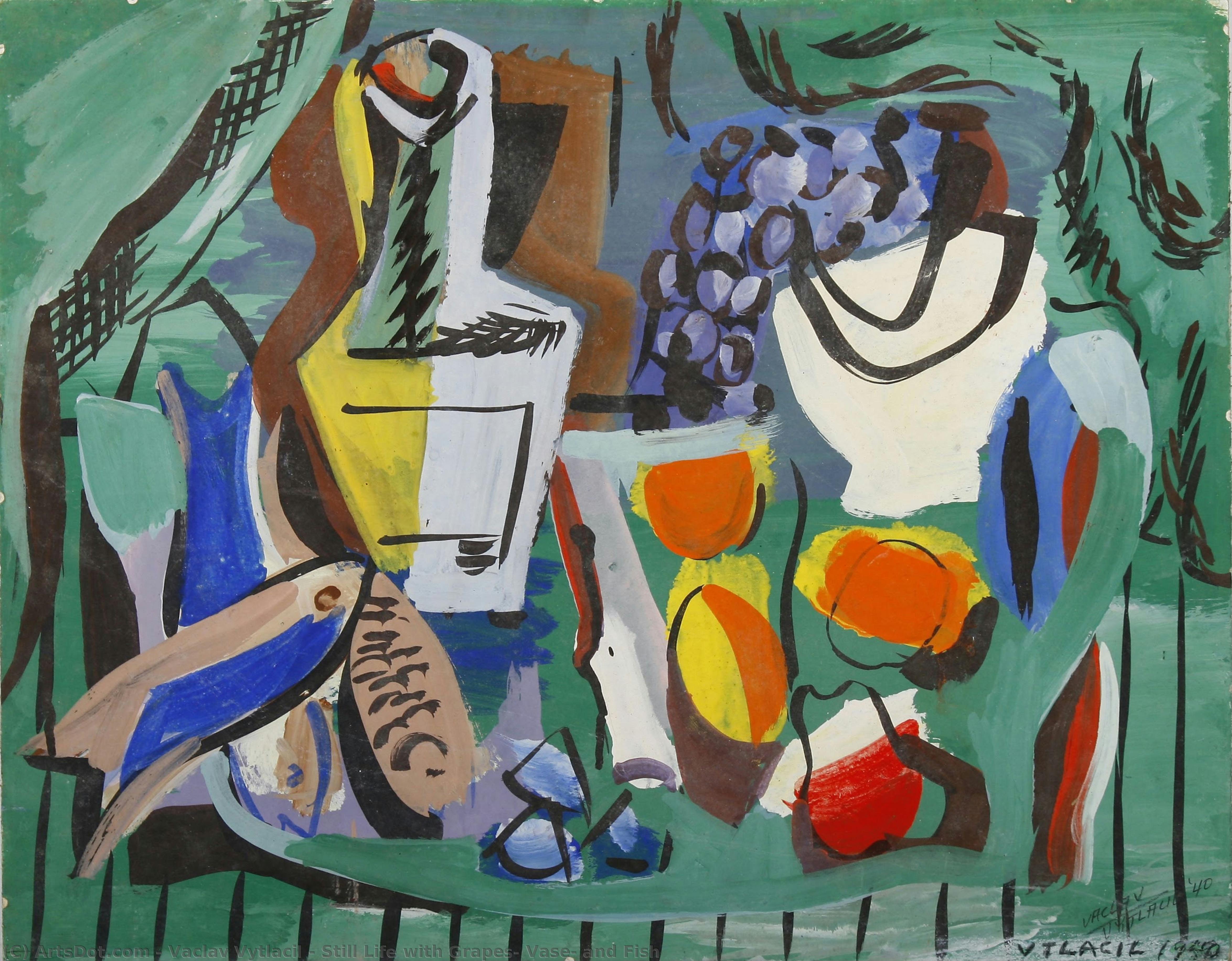
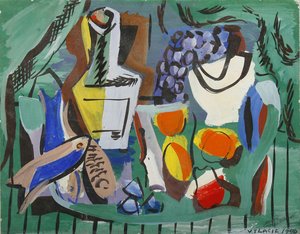
Still Life with Grapes, Vase, and Fish


 Read More
Hand Made Oil Reproduction
Hand-painted oil on canvas in your size and frame, made to order by our artists. ( Buy Print Buy Image)




P118B $10

P118H $10

P118W $10

P438Z $10

P508JH $12

P508YH $12

P805H $10

P805Z $10

P919BZ $10

P919G $10

P919XJ $10

P959ZH $10

P968JZ $12

W106C $8

W218G $10

W218JH $8

W218Y $10

W307PJ $10

W316G $10

W316PJ $8

W316Y $10

W398PJ $8

W4111J $10

W500HY $15

W500JH $15

W692G $12

W849H $8

W940BG $15

W953PJ $8




Pick from our preset sizes that match the artwork's original proportions.

You may enter your own dimensions to fit a specific frame or space. If your selected size does not match the original image's proportions, we will either crop the artwork or extend the painting with additional hand-painted elements. A digital mockup will be sent for your approval before production begins.
Please note that the on-screen preview does not reflect the actual cropping or extension. Only the mockup will accurately show the final composition.
While custom sizes are available, we recommend selecting a dimension from the predefined list to preserve the original proportions.
After order, ArtsDot.com team will email client for instructions and provide a mockup preview
Worldwide Delivery () in 3/4 weeks instead of standard 5 weeks. (24 August). No compromise on quality.

Free Worldwide Express Shipping

High-Quality Linen Canvas

Full Shipping Insurance

Customs Tax Refund Guarantee

True Color Matching Guarantee

60-Day Return Policy (Defects Only)

100% Money-Back Guarantee

Bulk Discount Offer
 Glass option is only available in size under 110 CM

Still Life with Grapes, Vase, and Fish
Reproduction Medium
Reproduction Size
-


Total Price
$ 263
Artwork Description
A Symphony of Stillness: The Artistry of Vaclav Vytlacil
In the quiet realm of 1940s modernism, few works capture the delicate tension between domestic tranquility and formal experimentation as gracefully as Still Life with Grapes, Vase, and Fish. This evocative composition by Vaclav Vytlacil invites the viewer into a meticulously arranged world where the mundane is elevated to the monumental. At first glance, the eye is drawn to the lush, heavy clusters of grapes cascading from the upper right, their deep tones providing a rich anchor to the scene. As we wander through the canvas, we encounter a rhythmic dance of shapes: the soft curves of apples nestled in the lower left, the vibrant citrus glow of oranges positioned near the center, and the unexpected, silvery presence of a fish resting at the base of the arrangement. It is a masterclass in balance, where every object—from the slender neck of a bottle to the sturdy silhouette of a vase—contributes to a larger, harmonious dialogue of form and light.
Vytlacil, a pioneer deeply influenced by the transformative theories of Hans Hofmann, utilizes this still life to explore the interplay of volume and space. While the subject matter remains rooted in the classical tradition of the genre, his approach hints at the burgeoning abstraction that would later define his career. The technique is characterized by a profound sensitivity to texture and light; one can almost feel the cool smoothness of the vase and the organic weight of the fruit. Through deliberate brushwork, Vytlacil creates a sense of depth that pulls the viewer inward, making the arrangement feel less like a flat image and more like a tangible, three-dimensional presence inhabiting a shared space with the observer. This mastery of light and shadow lends the piece an enduring vitality, ensuring it remains captivating long after the initial encounter.
Beyond its formal brilliance, the painting carries a subtle emotional resonance that makes it a profound choice for discerning collectors and interior designers alike. There is a sense of "memento mori" woven into the arrangement—a gentle reminder of the fleeting nature of life through the depiction of ripe, perishable fruit—yet this is balanced by a celebratory appreciation for the beauty found in everyday existence. For those looking to curate an atmosphere of sophisticated calm, this reproduction offers more than mere decoration; it provides a focal point of intellectual and aesthetic depth. Whether placed in a sun-drenched morning room or a moody, contemporary study, the painting acts as a window into a moment of perfect, frozen equilibrium, bringing a touch of mid-century elegance and timeless contemplative grace to any interior.
Related Artworks
Artist Biography
The Architect of Abstraction: The Life and Legacy of Vaclav Vytlacil
In the vibrant tapestry of American modernism, few threads are as intricately woven or as profoundly influential as those spun by Vaclav Vytlacil. Born in New York City on November 1, 1892, to Czech immigrants, Vytlacil’s journey was one of constant movement and artistic evolution. Though his roots were planted in the bustling energy of Manhattan, his early years in Chicago provided a diverse cultural backdrop that would later inform the rich, layered textures of his work. His formal odyssey began at the Art Institute of Chicago in 1906, where he first learned to translate the physical world into pigment and form. This foundational period was marked by a rigorous pursuit of technical mastery, a trait that would remain a cornerstone of his practice even as he ventured into the radical territories of abstraction.
The trajectory of Vytlacil’s career took a decisive turn when he moved to New York to study at the prestigious Art Students League in 1913. Under the watchful eye of the portraitist John C. Johansen, Vytlacil developed an acute sensitivity to tonal control and meticulous observation. However, the boundaries of traditional representation could not long contain his burgeoning curiosity. Seeking the vanguard of innovation, he turned his gaze toward Europe, immersing himself in the artistic currents of Munich. It was during this transformative period that he encountered the legendary Hans Hofmann. This meeting would become the defining moment of his life, establishing a profound intellectual and aesthetic bond. As one of Hofmann’s most devoted disciples, Vytlacil embraced the revolutionary principles of spatial tension and color dynamics, eventually becoming a vital conduit for these ideas as they crossed the Atlantic to reshape American art.
A Symphony of Form and Color
Vytlacil’s oeuvre serves as a breathtaking chronicle of an artist transitioning from the tangible to the transcendental. His early works often found beauty in the quietude of the domestic sphere, utilizing still life compositions to explore the interplay of light and volume. In masterpieces such as Still Life with Grapes, Vase, and Fish, one can witness the delicate tension between classical subject matter and modern experimentation. He possessed a singular ability to elevate the mundane—a cluster of grapes or the curve of a vase—into something monumental through deliberate brushwork and a sophisticated understanding of weight and balance. These compositions were not merely depictions of objects but were explorations of how light breathes life into form, creating a sense of three-dimensional presence that pulls the viewer into a shared, tactile space.
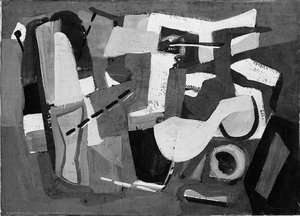
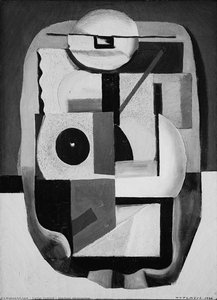
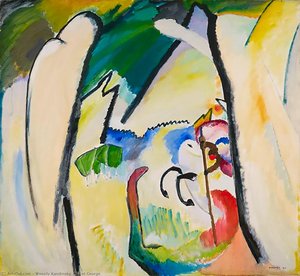
As his relationship with Cubist aesthetics deepened, Vytlacil’s work underwent a radical metamorphosis. The structured reality of his early still lifes gave way to the rhythmic energy of abstraction. His later compositions, such as the striking Abstract Composition [Triptych], demonstrate a mastery of geometric shapes, bold lines, and textured surfaces. In these works, the artist moved beyond the representation of objects to focus on the pure emotional resonance of color and space. He utilized the lessons learned from Hofmann to create canvases that felt alive with movement, where the boundaries between foreground and background dissolved into a harmonious dialogue of energetic strokes. This evolution reflects a lifelong commitment to pushing the limits of what paint could communicate, moving from the observation of the external world to the expression of an internal, rhythmic truth.
Historical Significance and Enduring Influence
Beyond his individual canvases, Vaclav Vytlacil played a crucial role in the pedagogical landscape of mid-century America. He was not merely a practitioner of modernism but one of its most dedicated educators and advocates. Following World War II, he became instrumental in disseminating the transformative teachings of Hans Hofmann across the United States, lecturing at various institutions and fostering a new generation of artists who would go on to define the American avant-garde. His ability to bridge the gap between European innovation and American experimentation helped solidify a unique identity for American abstraction, making it a formidable force on the global stage.
Today, the legacy of Vytlacil is preserved in the permanent collections of the world's most esteemed institutions, including:
- The Museum of Modern Art (MoMA)
- The Metropolitan Museum of Art
- The Smithsonian American Art Museum
Vytlacil’s contribution to art history lies in his role as a bridge-builder—between tradition and revolution, between the figurative and the abstract, and between the teachings of the Old World and the burgeoning spirit of the New. His life remains a testament to the power of artistic devotion and the enduring impact of a vision that seeks to find the infinite within the finite.
vaclav vytlacil
1890 - 1984
Quick Facts
- Artistic Movement Or Style: Abstract American Art; Hans Hofmann's teachings
- Artists Or Movements Influenced By This Artist: Cubist Movement
- Artists Who Influenced This Artist: Hans Hofmann
- Date Of Birth: November 1, 1892
- Date Of Death: January 5, 1984
- Full Name: Vaclav Vytlacil
- Nationality: American
- Notable Artworks:
- Abstract Composition [Triptych]
- Still Life
- Place Of Birth: New York City, USA
Related Articles
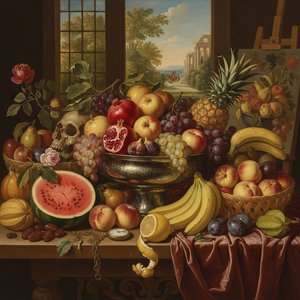
The Bountiful Still Life: Symbolism & Artistic Representation of Fruit Across Art History
Explore the rich history of still life painting & the symbolism of fruit across art movements. Discover masterpieces from Caravaggio to Cézanne with ArtsDot – expert guidance & museum-quality reproductions.

Cézanne's Masterpieces: 25 Iconic Artworks to Transform Your Space
Journey through 25 iconic artworks by Paul Cézanne – a master of Impressionism and Post-Impressionism. Explore his landscapes, still lifes, and the stories behind these timeless masterpieces. Discover museum-quality reproductions & curated decor at ArtsDot.com.
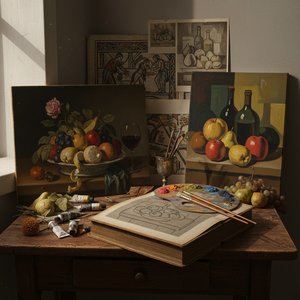
Silent Narratives: Exploring the Enduring Appeal of Still Life Painting Across Centuries
Explore the rich history of still life painting with ArtsDot. Discover Dutch Masters, decode vanitas symbolism & learn about collecting timeless art. Expert insights and museum-quality reproductions.
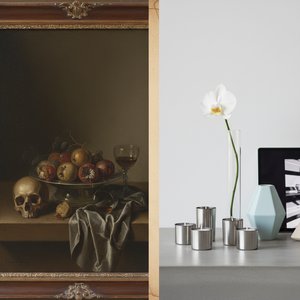
The Enduring Appeal of Still Life: A Historical & Contemporary Exploration
Explore the rich history & symbolism of still life painting with ArtsDot. Discover masterpieces from the Dutch Golden Age, learn about vanitas art, and find expert guidance for collecting timeless artworks.
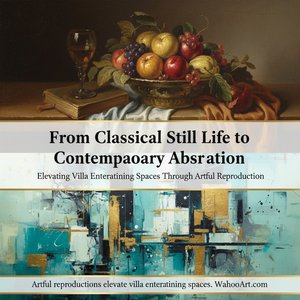
From Classical Still Life to Contemporary Abstraction: Elevating Villa Entertaining Spaces Through Artful Reproduction
Explore the history of still life painting & discover how artful reproductions elevate villa entertaining spaces. Expert guidance, museum-quality prints & custom artwork at ArtsDot.com.
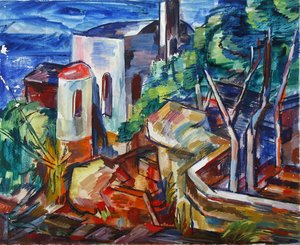
![Abstract Composition [triptych]](/media/artworks/images-thumb/08/3c/083c0675045645fd42d4e6c6d63f1ced.jpg)