 Preview
 Send
Send Share
Share
 Details

 Download
 Similars
 X-Ray
X-Ray Diaporama
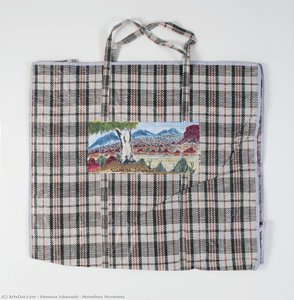
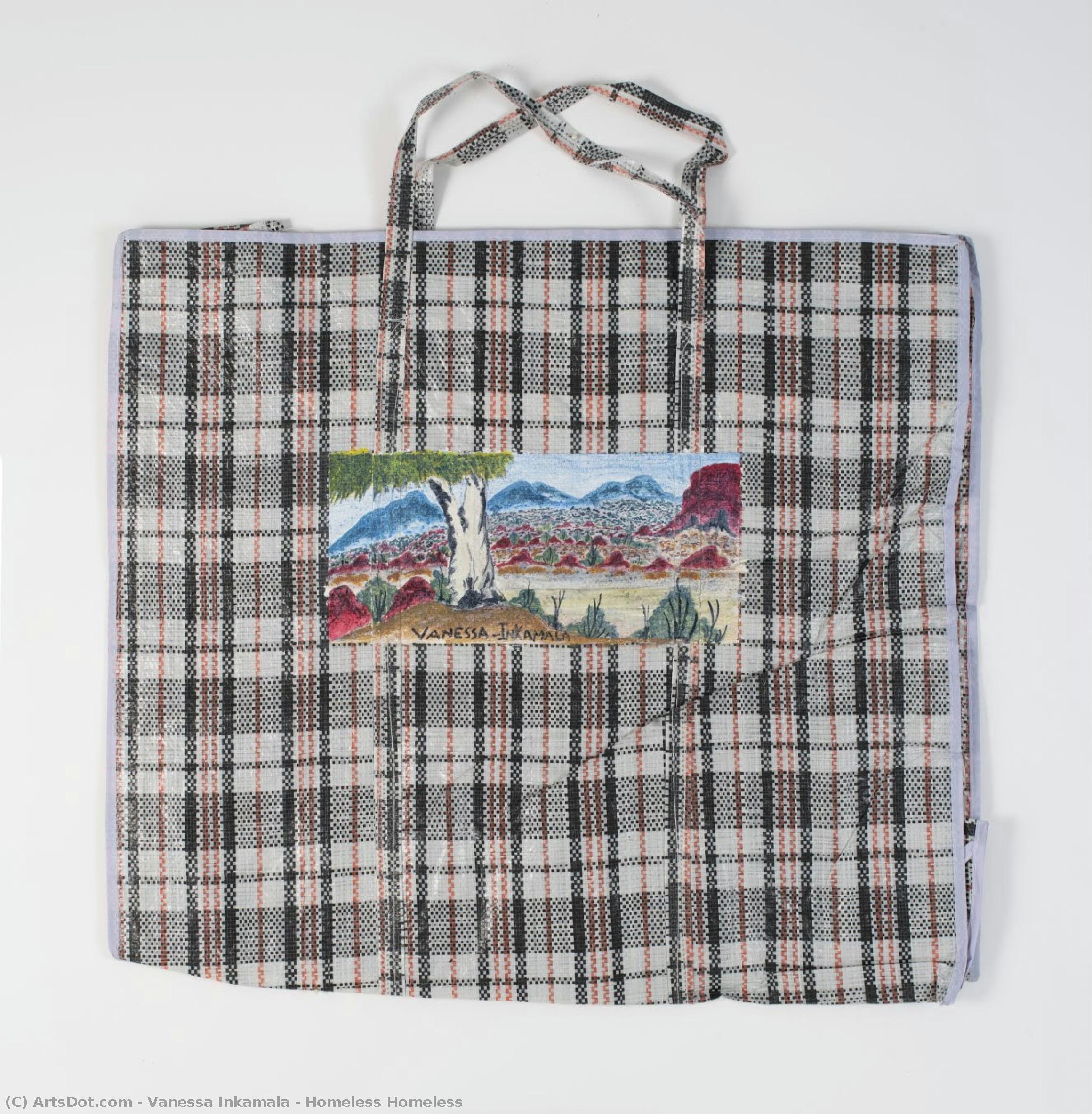
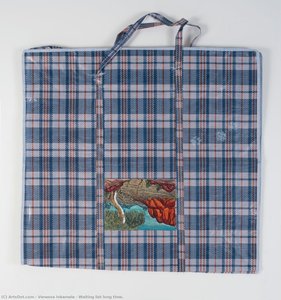
Homeless Homeless
 2019
2019 56.0 x 64.0 cm
 Biennale of Sydney
 Read More
Giclée / Art Print
Museum-quality giclée or canvas print with fast production and flexible finish options. ( Buy Hand Made Painting Buy Image)




































Pick from our preset sizes that match the artwork's original proportions.

You may enter your own dimensions to fit a specific frame or space. If your selected size does not match the original image's proportions, we will either crop the artwork or extend the image with a mirrored or solid-fill edge. A digital mockup will be sent for your approval before production begins.
Please note that the on-screen preview does not reflect the actual cropping or extension. Only the mockup will accurately show the final composition.
While custom sizes are available, we recommend selecting a dimension from the predefined list to preserve the original proportions.
Worldwide Delivery () in 2 weeks instead of standard 4/5 weeks. (27 August)

Free Worldwide Express Shipping

High-Quality Linen Canvas

Full Shipping Insurance

Customs Tax Refund Guarantee

True Color Matching Guarantee

60-Day Return Policy (Defects Only)

100% Money-Back Guarantee

Bulk Discount Offer
 Glass option is only available in size under 110 CM

Homeless Homeless
Giclée / Art Print
Reproduction Size
-


Total Price
$ 63
Collectible Description
Related Artworks





Artist Biography
The Living Legacy of the Hermannsburg School
In the heart of Central Australia, where the ochre earth meets an endless expanse of sky, the artistic spirit of Vanessa Inkamala breathes life into a storied tradition. Born in 1968 in Ntaria, also known as Hermannsburg, Inkamala is far more than a contemporary painter; she is a vital link in a profound genealogical chain of creativity. Her heritage is deeply rooted in the Pareroultja clan, a lineage renowned for its exceptional artistic mastery passed down through generations. To understand Inkamala’s work is to understand the echoes of her great-uncle, the legendary Albert Namatjira, whose watercolor revolution transformed Australian art history. Growing up amidst the ancient landscapes and mission traditions of Ntaria, she was immersed in a world where the land is not merely a subject, but a living relative, carrying with it the weight of ancestral knowledge and the delicate beauty of the Northern Territory.
The foundation of her technique rests upon the pioneering watercolor methods introduced to the region by Rex Battarbee. This specific medium, which became the hallmark of the Hermannsburg School, allows Inkamala to capture the ethereal, shifting light of the Australian outback with unparalleled sensitivity. Her practice is a delicate dance of transparency and depth, mirroring the way sunlight filters through the sparse flora of her Country. Through her brush, the landscape becomes a vessel for both beauty and memory, utilizing soft washes and vibrant pigments to evoke the heat, the dust, and the profound stillness of the desert.
A Tapestry of Culture and Connection
Inkamala’s artistic evolution is inextricably tied to her connection with the Iltja Ntjarra Many Hands Art Centre. This Aboriginal-owned institution serves as a sanctuary for cultural continuity, providing a collaborative environment where she can uphold the values of her ancestors while exploring contemporary themes. Her work often transcends simple landscape depiction, venturing into the socio-political realities of her people. She possesses a rare ability to weave the breathtaking aesthetics of the Central Australian landscape with the urgent narratives of her community. This is seen in her participation in significant projects, such as the 2nd Biennale of Sydney, where her art helped trace stories of Country alongside the struggles of housing and displacement.
Her creative journey has been enriched by deep connections to the wider Arrernte community, particularly through her time in Mparntwe (Alice Springs). This period of immersion allowed her to hone a style that resonates with both local truth and international appeal. Her ability to address complex themes—such as the impacts of colonization and globalization—is exemplified in works like 'It was a Bright Country', where vibrancy and color serve as powerful tools for storytelling. In her hands, the watercolor medium becomes a way to assert self-determination and to ensure that the voices of traditional owners are heard far beyond the borders of the Northern Territory.
Recognition and Enduring Significance
The significance of Vanessa Inkamala’s contribution to Australian art is reflected in the prestigious institutions that house her works. Her paintings have found permanent homes in some of the nation's most esteemed collections, including:
- The National Museum of Australia
- The Art Gallery of South Australia
- The Queensland Art Gallery & Gallery of Modern Art
- The University of Technology Sydney
As a contemporary master, Inkamala does not merely replicate the past; she revitalizes it. By blending the classical watercolor traditions of the Hermannsburg School with a modern awareness of environmental and social justice, she ensures that the legacy of Namatjira remains a living, breathing force. Her art serves as a bridge between the ancient rhythms of the land and the complexities of the modern world, inviting viewers to witness the enduring strength and the delicate, breathtaking beauty of the Australian spirit.
Vanessa Inkamala
1968 - , Australia
Quick Facts
- Artistic Movement Or Style: Watercolor painting
- Artists Or Movements Influenced By This Artist: Rex Battarbee
- Artists Who Influenced This Artist: Albert Namatjira
- Date Of Birth: 1968
- Full Name: Katherine inkamala
- Nationality: Australian
- Notable Artworks:
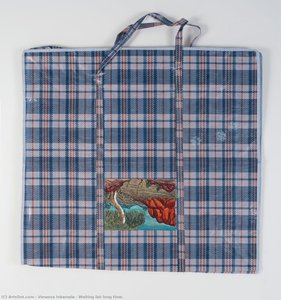
- Homeless Homeless
- Waiting list long time
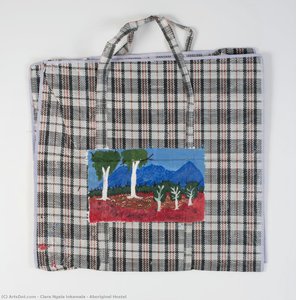
- Aboriginal Hostel
- Place Of Birth: Ntaria (Hermannsburg), Australia