 Preview
 Send
Send Share
Share
 Details

 Download
 Similars
 X-Ray
X-Ray Diaporama
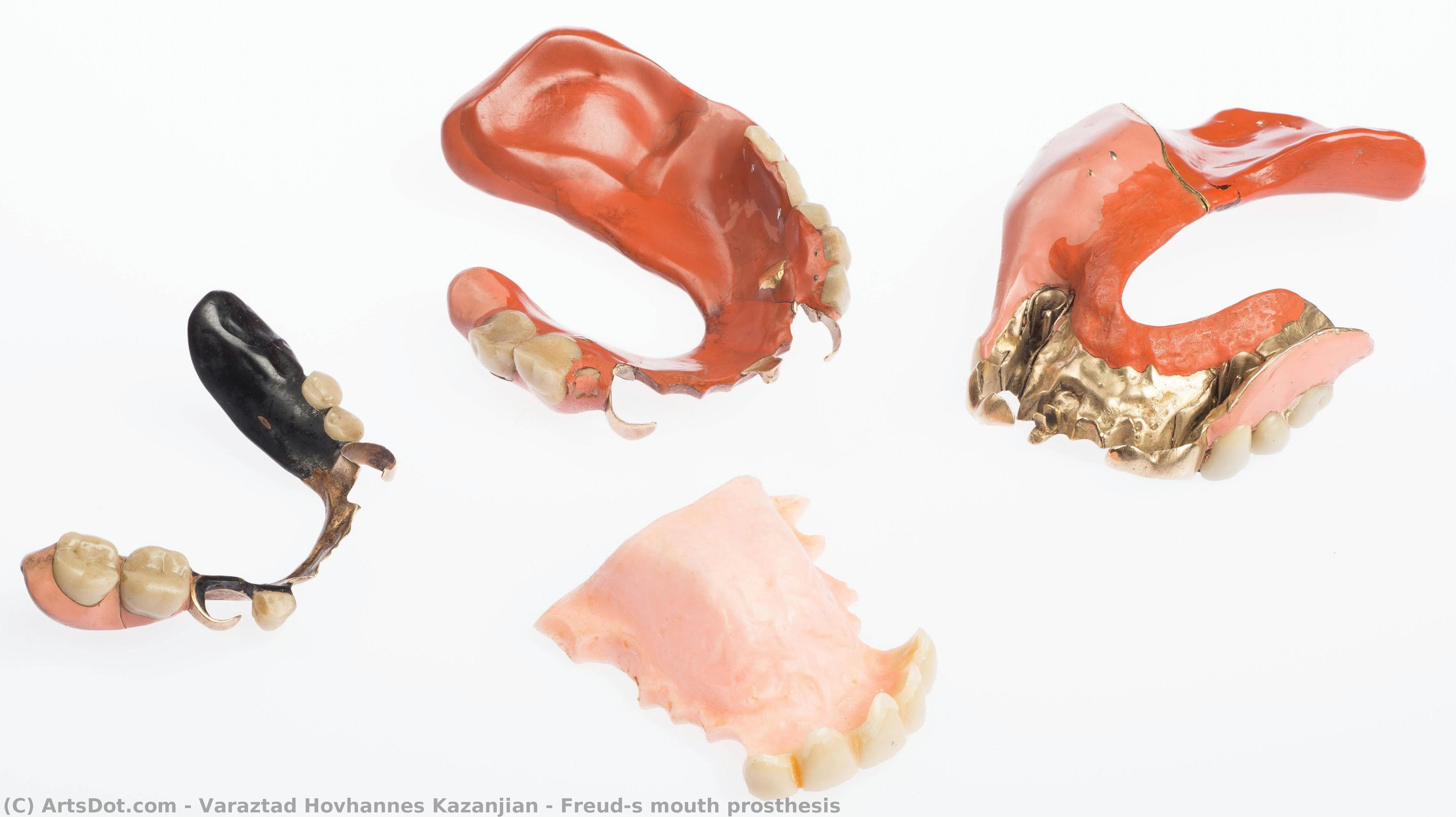
Freud’s mouth prosthesis


 Read More
Giclée / Art Print
Museum-quality giclée or canvas print with fast production and flexible finish options. ( Buy Hand Made Painting Buy Image)




P118B $10

P118H $10

P118W $10

P438Z $10

P508JH $12

P508YH $12

P805H $10

P805Z $10

P919BZ $10

P919G $10

P919XJ $10

P959ZH $10

P968JZ $12

W106C $8

W218G $10

W218JH $8

W218Y $10

W307PJ $10

W316G $10

W316PJ $8

W316Y $10

W398PJ $8

W4111J $10

W500HY $15

W500JH $15

W692G $12

W849H $8

W940BG $15

W953PJ $8




Pick from our preset sizes that match the artwork's original proportions.

You may enter your own dimensions to fit a specific frame or space. If your selected size does not match the original image's proportions, we will either crop the artwork or extend the image with a mirrored or solid-fill edge. A digital mockup will be sent for your approval before production begins.
Please note that the on-screen preview does not reflect the actual cropping or extension. Only the mockup will accurately show the final composition.
While custom sizes are available, we recommend selecting a dimension from the predefined list to preserve the original proportions.
Worldwide Delivery () in 2 weeks instead of standard 4/5 weeks. (24 August)

Free Worldwide Express Shipping

High-Quality Linen Canvas

Full Shipping Insurance

Customs Tax Refund Guarantee

True Color Matching Guarantee

60-Day Return Policy (Defects Only)

100% Money-Back Guarantee

Bulk Discount Offer
 Glass option is only available in size under 110 CM

Freud’s mouth prosthesis
Giclée / Art Print
Reproduction Size
-


Total Price
$ 63
Collectible Description
The Sculptor of Scars: Varaztad Kazanjian and the Dawn of Plastic Surgery
Varaztad Hovhannes Kazanjian’s “Freud’s Mouth Prosthesis,” completed in 1931, transcends mere visual representation; it embodies a pivotal moment in medical history—the genesis of modern plastic surgery. This unassuming rubber sculpture, currently housed at the Freud Museum London, speaks volumes about Kazanjian's unwavering dedication to alleviating suffering and reshaping perceptions of facial reconstruction.
A Surgeon’s Precision: Technique and Material
Kazanjian’s artistic approach stemmed directly from his surgical training. Having honed his dexterity crafting wire sculptures during his formative years in Massachusetts—a skill demanding meticulous attention to detail—he applied this precision to his sculptural endeavors. The choice of vulcanised rubber as the medium is significant, reflecting both its practicality for replicating anatomical forms and its symbolic association with resilience and healing. Kazanjian’s painstaking craftsmanship ensured that every curve and contour mirrored the contours of human anatomy, prioritizing accuracy above stylistic flourish.
Historical Context: Trauma and Transformation
The painting's creation coincided with Sigmund Freud’s diagnosis of cancer of the jaw—a condition that profoundly impacted his life. Kazanjian recognized the psychological dimension of facial trauma, acknowledging that rebuilding a face wasn’t merely correcting physical defects but restoring dignity and reclaiming identity. This understanding fueled his pioneering research into reconstructive surgery, establishing him as one of the first to advocate for innovative techniques aimed at minimizing scarring and maximizing aesthetic outcomes.
Symbolism: The Prosthesis as Metaphor
“Freud’s Mouth Prosthesis” operates on multiple symbolic levels. The prosthetic itself represents not just a physical repair but also an acceptance of imperfection—a testament to Kazanjian's belief that beauty can emerge from adversity. The inclusion of teeth, meticulously rendered, underscores the importance of oral health and communication – facets of human experience inextricably linked to emotional wellbeing. Furthermore, the sculpture’s placement at the Freud Museum London serves as a poignant reminder of Kazanjian’s commitment to confronting illness with compassion and ingenuity.
Emotional Impact: A Legacy of Healing
Kazanjian's work transcends technical mastery; it conveys an enduring message of empathy and determination. “Freud’s Mouth Prosthesis” isn’t simply a depiction of anatomical detail—it’s an embodiment of Kazanjian’s unwavering belief in the transformative power of medicine to alleviate suffering and restore wholeness. Its quiet dignity reflects his profound respect for human resilience and underscores his legacy as a visionary sculptor who reshaped the landscape of facial reconstruction.
Related Artworks

Artist Biography
The Sculptor of Scars: Varaztad Kazanjian and the Dawn of Plastic Surgery
Varaztad Hovhannes Kazanjian, a name largely absent from mainstream art history yet profoundly influential in the realm of medical aesthetics, was born in 1879 amidst the turmoil of Ottoman Armenia. His early life, marked by displacement and hardship, instilled within him a resilience and an almost surgical precision – qualities that would ultimately define his extraordinary career as both a surgeon and a sculptor of the human face. Kazanjian’s journey began not with scalpels and sutures, but with the delicate craft of wire-making in a Massachusetts factory, a skill that unknowingly honed the dexterity he would later wield with revolutionary results on the battlefields of World War I. This formative experience, demanding an intimate understanding of materials and their manipulation, laid the groundwork for his groundbreaking approach to facial reconstruction – an approach that fundamentally shifted the perception of what was possible in treating severe injuries.From Battlefield to Breakthrough: The Trauma of the Great War
Kazanjian’s military service during World War I proved to be a crucible where his nascent talents truly ignited. Stationed with the Harvard Medical Corps in France, he confronted a horrifying reality – soldiers ravaged by shrapnel wounds, their faces irrevocably altered and often deemed beyond repair. Existing surgical techniques were rudimentary, offering little hope for restoring dignity or functionality. Witnessing this widespread suffering, Kazanjian embarked on a radical experiment: to not simply mend the damage, but to sculpt anew. He meticulously studied the anatomy of the face, understanding that each scar told a story of trauma and loss. Rather than attempting to erase these marks – which he believed robbed individuals of their identity – he embraced them as integral parts of the healing process, skillfully integrating them into a cohesive and aesthetically pleasing whole. His innovative use of wire and plaster casts allowed him to reshape shattered bones and reconstruct lost tissue with an unprecedented level of detail and precision. This wasn’t merely repair; it was restoration—a testament to the human spirit's capacity for renewal.The Art of Reconstruction: A Sculptural Approach
Kazanjian’s methods transcended mere surgical procedure; they were fundamentally sculptural. He approached each patient’s face as a three-dimensional canvas, meticulously analyzing the contours and proportions to create a harmonious balance. His work wasn't about creating an identical copy of the original face—it was about crafting a new one that reflected strength, resilience, and dignity. He famously stated, “Do it just right,” emphasizing his commitment to achieving not merely functional restoration but also aesthetic beauty. This philosophy led him to develop techniques for reconstructing noses, cheeks, and jaws with an artistry previously unseen in the field of surgery. His meticulous documentation of these procedures—over 150 journal articles detailing his methods—established a legacy that continues to inform plastic surgeons today. The influence of this approach can be seen in his later work, particularly his detailed plaster casts which served as models for subsequent reconstructions.Beyond the Battlefield: Legacy and Influence
Kazanjian’s contributions extended far beyond the immediate exigencies of World War I. Following the conflict, he returned to Harvard Medical School, becoming the first Professor of Plastic Surgery – a pivotal moment in establishing this discipline as a recognized medical specialty. He authored foundational textbooks on plastic surgery, solidifying his position as a pioneer and mentor. His work wasn’t confined to academic circles; he treated prominent figures like Sigmund Freud, further cementing his reputation as a master craftsman. The “Freud’s mouth prosthesis,” now housed at the Freud Museum in London, stands as a poignant reminder of this unique collaboration—a testament to Kazanjian's ability to translate artistic vision into tangible medical innovation. While often overshadowed by later developments in plastic surgery, Varaztad Kazanjian deserves recognition as the true founder of modern facial reconstruction, a sculptor of scars who transformed trauma into triumph and redefined the boundaries of what is possible through the art of healing. His legacy lives on not just in the techniques he pioneered but also in the enduring spirit of hope and renewal that his work embodies.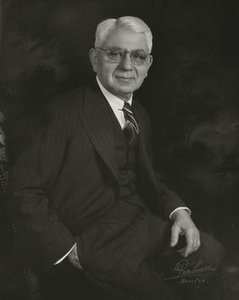
varaztad hovhannes kazanjian
1879 - 1974 , Armenia
Quick Facts
- Artistic Movement Or Style: Plastic Surgery
- Artists Or Movements Influenced By This Artist: ['Modern Plastic Surgery']
- Artists Who Influenced This Artist: ['John M. Converse']
- Date Of Birth: March 18, 1879
- Date Of Death: October 19, 1974
- Full Name: Varaztad H. Kazanjian
- Nationality: Armenian American
- Notable Artworks: ['Freud’s mouth prosthesis']
- Place Of Birth: Erzincan, Ottoman Empire
Related Articles

Bronze Sculptures That Defined Art History | ArtsDot
Journey through art history with our Top 10 bronze sculptures! Explore masterpieces by Rodin, Michelangelo & more. Discover stories behind iconic statues and find museum-quality reproductions for your home decor at ArtsDot.com.

The Enduring Form: Exploring Themes & Techniques in Sculpture Across Historical Periods
Explore the rich history of sculpture from ancient masterpieces to contemporary innovations. Discover key techniques, influential artists & investment potential for discerning art collectors.

The Enduring Form: Sculpture Across History, Technique & Emotional Resonance
Explore the rich history of sculpture with ArtsDot. Discover key techniques, influential artists & investment potential for discerning collectors. Expert insights into valuing and collecting timeless masterpieces.

Bronze Age to Modern Masters: 10 Sculptures That Redefined Art | ArtsDot
Journey through art history with 10 legendary bronze sculptures – from Michelangelo's David to Rodin’s Thinker. Explore the stories, techniques & timeless beauty of these masterpieces. Find museum-quality reproductions & elevate your home decor on ArtsDot.com.
The Enduring Legacy of Bronze Sculpture: History, Techniques & Contemporary Interpretations
Explore the rich history & enduring appeal of bronze sculpture. Learn about casting techniques, iconic artists, collecting tips, & contemporary interpretations. Expert insights for discerning art collectors.