 Preview
 Send
Send Share
Share
 Details

 Download
 Similars
 X-Ray
X-Ray Diaporama
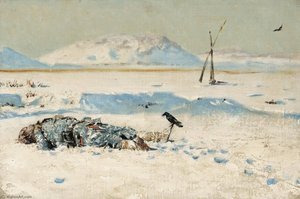
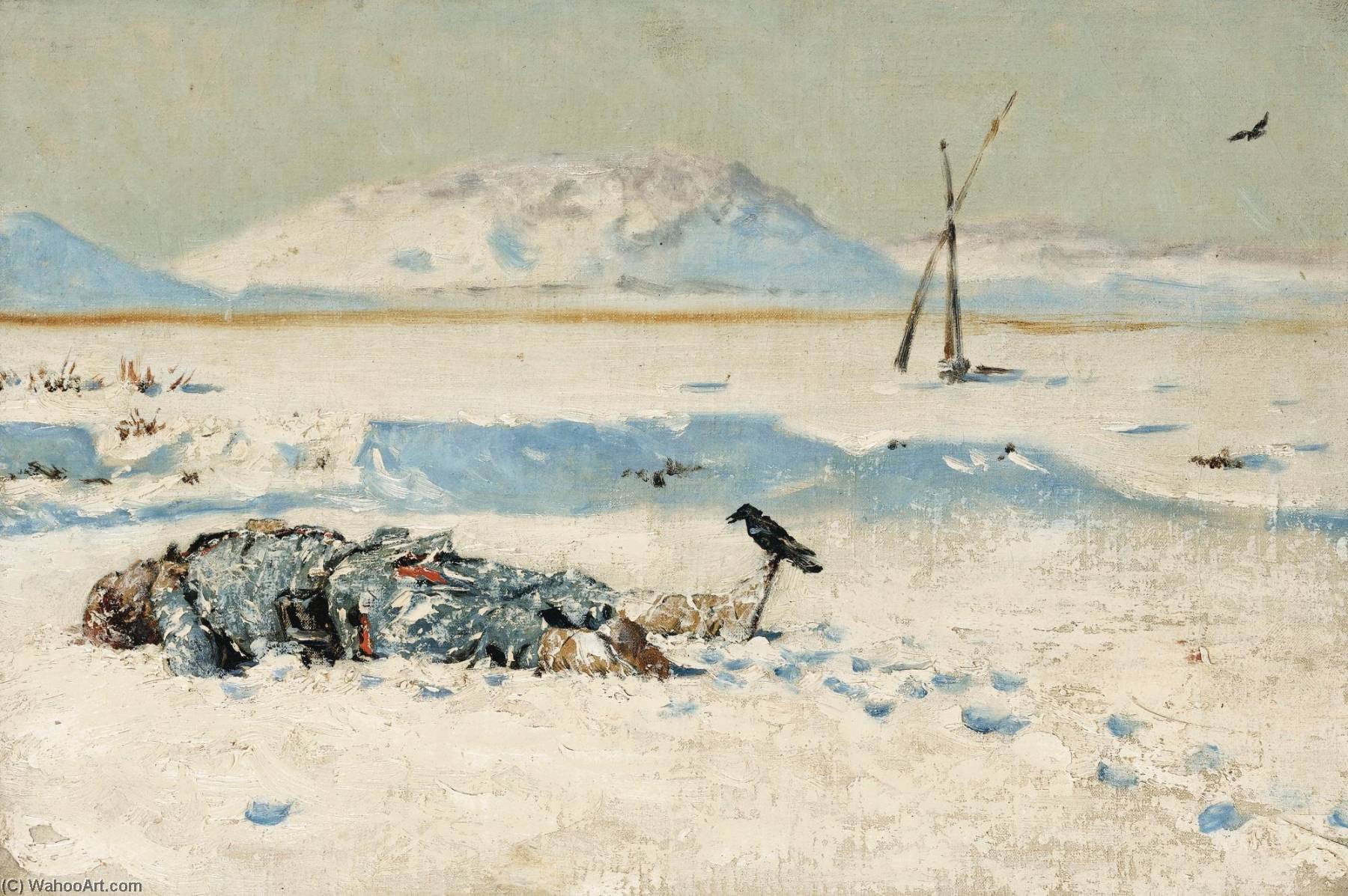
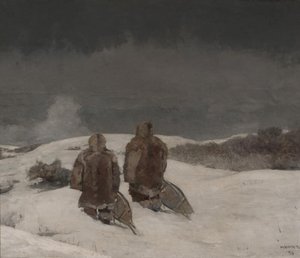
The Fallen Soldier
 Read More
Giclée / Art Print
Museum-quality giclée or canvas print with fast production and flexible finish options. ( Buy Hand Made Painting Buy Image)




































Pick from our preset sizes that match the artwork's original proportions.

You may enter your own dimensions to fit a specific frame or space. If your selected size does not match the original image's proportions, we will either crop the artwork or extend the image with a mirrored or solid-fill edge. A digital mockup will be sent for your approval before production begins.
Please note that the on-screen preview does not reflect the actual cropping or extension. Only the mockup will accurately show the final composition.
While custom sizes are available, we recommend selecting a dimension from the predefined list to preserve the original proportions.
Worldwide Delivery () in 2 weeks instead of standard 4/5 weeks. (24 August)

Free Worldwide Express Shipping

High-Quality Linen Canvas

Full Shipping Insurance

Customs Tax Refund Guarantee

True Color Matching Guarantee

60-Day Return Policy (Defects Only)

100% Money-Back Guarantee

Bulk Discount Offer
 Glass option is only available in size under 110 CM

The Fallen Soldier
Giclée / Art Print
Reproduction Size
-


Total Price
$ 63
Related Artworks









Artist Biography
Vasili Vasilyevich Vereshchagin: A Titan of Russian Realism
Vasili Vasilyevich Vereshchagin (Russian: Васи́лий Васи́льевич Вереща́гин; 26 October 1842 – 13 April 1904) stands as one of Russia’s most celebrated painters, renowned for his unflinching depictions of military life and societal realities during the turbulent late nineteenth century. Born in Cherepovets, Novgorod Governorate, Vereshchagin's artistic journey began amidst a family steeped in noble tradition but marked by Tatar heritage—a duality that would profoundly shape his worldview and inform his distinctive style. His formative years were spent honing his skills under the tutelage of Ilya Repin and Vasily Polenov at St Petersburg Academy of Arts, absorbing the tenets of Impressionism alongside the enduring legacy of Academic painting.- Early Influences: Vereshchagin’s artistic sensibilities were nurtured by a fascination with Oriental landscapes and folklore—particularly Persian miniatures—which instilled in him an appreciation for meticulous detail and vibrant color palettes. These influences would become central to his signature approach, distinguishing him from many of his contemporaries.
- The Russo-Turkish War (1877–1878): Vereshchagin’s breakthrough came during the Russo-Turkish War, where he embarked on a daring expedition to Constantinople and Syria, documenting the horrors of siege warfare with unprecedented honesty and visceral immediacy. His canvases—including “The Apotheosis of Tsar Alexander II” and “Storming Sevastopol”—became instant icons of Russian patriotism and artistic innovation, capturing the brutal realities of battle with unflinching realism.
- Oriental Voyages: Following the war’s conclusion, Vereshchagin undertook extensive travels throughout Persia, Afghanistan, India, and Egypt—a period that yielded a prolific output of paintings exploring diverse cultures and traditions. These voyages cemented his reputation as an explorer-artist, blending scientific observation with artistic sensitivity to create evocative portrayals of everyday life and ceremonial rituals.
- Notable Paintings: Among Vereshchagin’s most enduring masterpieces are “The Volga Boatmen,” “A Meeting of Pilgrims,” and “The Caucasian War,” each demonstrating his mastery of composition, color theory, and psychological insight. His ability to convey emotion through subtle gestures and expressions captivated audiences and established him as a pioneer of psychological realism—a technique that anticipated developments in Expressionism decades later.
Legacy & Historical Significance
Vereshchagin’s artistic legacy extends far beyond the realm of painting itself. He championed the cause of realist art—a movement advocating for truthful representation of human experience—challenging the conventions of academic art and paving the way for subsequent generations of artists. His unflinching portrayal of war and social injustice resonated deeply with audiences across Europe, sparking debate about morality and artistic responsibility. Today, Vereshchagin’s paintings continue to inspire admiration for their technical brilliance and emotional power—testaments to his enduring contribution to Russian art history and a profound reflection of the anxieties and aspirations of a pivotal era in European culture. His work remains a cornerstone of Orientalist painting and continues to be studied by scholars and artists alike, ensuring that Vereshchagin’s vision persists as a beacon of artistic integrity and social commentary.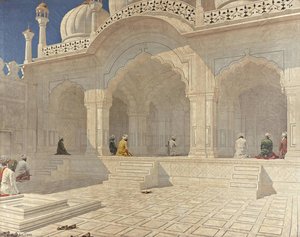
vasili vasilievich vereshchagin
1842 - 1904
Quick Facts
- Artistic Movement Or Style: Realism
- Artists Or Movements Influenced By This Artist: ['Orientalist Art']
- Artists Who Influenced This Artist: ['Ivan Kramskoi']
- Date Of Birth: October 26, 1842
- Date Of Death: April 13, 1904
- Full Name: Vasili Vasilyevich Vereshchagin
- Nationality: Russian
- Notable Artworks:
- A Street in the Town of Rostov
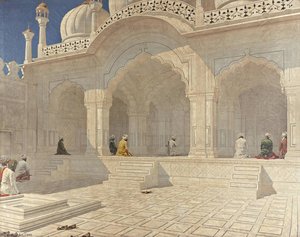
- Pearl Mosque at Delhi
- Place Of Birth: Cherepovets, Novgorod Governorate, Russia