

 Preview
 Send
Send Share
Share
 Details

 Download
 Similars
 X-Ray
X-Ray Diaporama
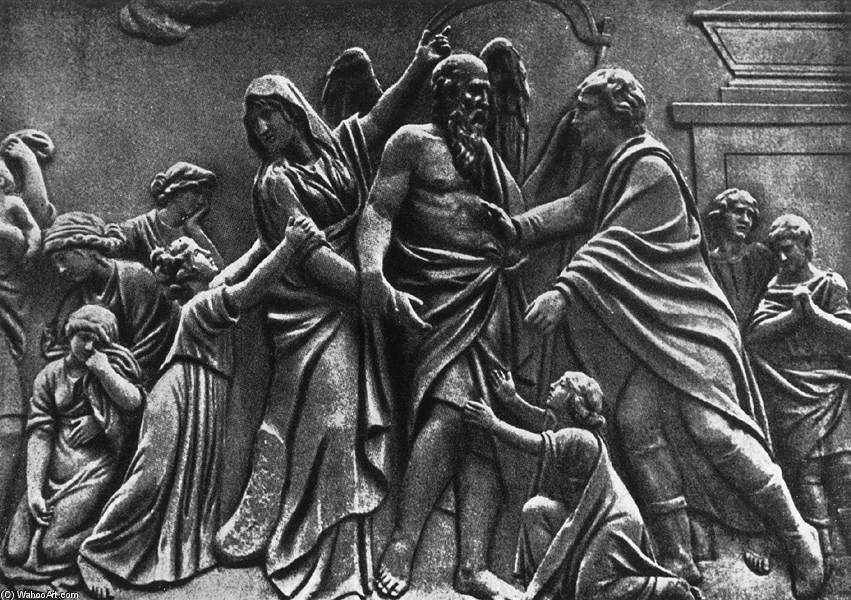
Tomb of Barysnikova

 Read More
Purchase a high-resolution, enhanced digital image, far superior to the online preview.
Each file is meticulously prepared by our in-house specialists using advanced tools and expert manual retouching. We ensure every image has exceptional clarity, precise color accuracy, and fine detail.
The final file is delivered via email within 72 hours, optimized for immediate use in professional, editorial, and print environments. This is the same quality trusted by top-tier design studios, publishers, and galleries.
Digital Image
Download a high-resolution file for personal display, printing, and creative projects. ( Buy Print Buy Hand Made Painting)
Included in Every Digital Image Order
Expert Digital Delivery, Guaranteed
When you choose ArtsDot.com, you're not just getting an image - you're receiving a professionally enhanced digital artwork, crafted with precision and backed by a satisfaction guarantee. Here's everything that comes with your order, automatically:

Fast Email Delivery
Your high-resolution digital image file will be emailed to you within 72 hours of ordering - ready for immediate use.

AI-Enhanced Digital File
Your artwork is professionally optimized using advanced AI tools and manual editing, ensuring maximum detail, clarity, and color accuracy.

Free Lifetime Re-Delivery
Accidentally deleted or lost your file? No worries - we'll resend it to you anytime, free of charge.

No Import Fees - Ever
Enjoy your artwork instantly with zero customs, duties, or delivery fees - digital downloads are always tax-free.

Color Accuracy Guarantee
We ensure your digital image reflects the original colors as closely as possible using professional tools and color management.

60-Day Satisfaction Guarantee
If you're not satisfied with your digital image, we'll revise it or refund 100% within 60 days - no questions asked.

100% Money-Back Guarantee
Not satisfied? Get a full refund within 60 days of receiving your digital file - no questions asked.

Bulk Order Discounts
Buy 3 images, save 10% - Buy 5, save 15% - Buy 10+, save 20%. Great for creative projects, galleries, and agencies.
Related Artworks





Artist Biography
John Hamilton Mortimer: A Romantic Vision of Britain and Italy
Born in Eastbourne in 1740, John Hamilton Mortimer’s life was tragically cut short at the age of thirty-eight, yet his artistic legacy endures through a captivating body of work that offers a unique window into the spirit of late 18th-century Britain. His paintings, often imbued with a theatricality and a keen awareness of contemporary society, are characterized by their romantic landscapes, intimate conversations, and evocative depictions of war—a testament to his versatility as an artist and his ability to capture both the grandeur and the grit of his era.
Mortimer’s early artistic training was rigorous. He began his studies at the Duke of Richmond's Academy in London, a prestigious institution that fostered a generation of artists. There, he benefited from instruction under luminaries such as Giovanni Battista Cipriani, Robert Edge Pine, and, crucially, Sir Joshua Reynolds – a master whose influence is undeniably present in Mortimer’s later work. He also found camaraderie with Joseph Wright of Derby, forging a friendship that would last throughout his life. His time at St Martin's Lane Academy further broadened his artistic horizons, exposing him to the talents of Thomas Jones and William Pars.
Mortimer’s style evolved significantly over his brief career. Initially influenced by Reynolds’ classical approach, he gradually developed a more individual voice, drawing inspiration from the dramatic landscapes of Salvator Rosa – a master of genre scenes and depictions of conflict. This influence is particularly evident in his paintings of war, which are not merely historical records but rather theatrical explorations of human drama and emotion. He skillfully blended elements of Rococo elegance with a burgeoning interest in the sublime, creating images that were both beautiful and unsettling.
Theatrical Conversations and Literary Subjects
A defining characteristic of Mortimer’s oeuvre is his fascination with conversation scenes – intimate gatherings populated by figures engaged in lively dialogue. These paintings are not simply portraits; they are carefully constructed narratives, revealing the social dynamics and intellectual currents of the time. He frequently depicted subjects drawn from literature and mythology, imbuing them with a sense of immediacy and psychological depth. His work *St Paul Preaching to the Ancient Druids in Britain*, now housed in the Guildhall in High Wycombe, exemplifies this approach – a dramatic tableau that blends historical fact with imaginative storytelling.
Mortimer’s skill as a painter extended beyond conversation scenes. He was also a prolific producer of decorative interiors and book illustrations, demonstrating his versatility and commercial acumen. His work for Thomas Jones on projects like *A Land Storm* showcases his ability to collaborate effectively and contribute significantly to larger artistic endeavors. The influence of Samuel Ireland, an engraver with whom Mortimer maintained a professional relationship, is also apparent in the meticulous detail and expressive quality of his prints.
Influence and Artistic Connections
Mortimer’s career coincided with a period of significant change in British art. The rise of Romanticism was beginning to challenge the established conventions of Neoclassicism, and artists were increasingly drawn to the emotional power of landscape and the exploration of subjective experience. Mortimer's work reflects this shift, embracing a more dramatic and expressive approach than his early training might have suggested.
His appointment as President of the Society of Artists of Great Britain in 1774 marked a significant moment in his career and reflected his growing recognition within the artistic community. This position allowed him to exert influence over the direction of British art, though his tenure was tragically cut short by his untimely death.
A Legacy of Romantic Vision
Despite the brevity of his life, John Hamilton Mortimer left an indelible mark on the landscape of British art. His paintings—characterized by their theatricality, psychological depth, and evocative use of light and color—continue to captivate viewers today. His exploration of themes such as war, conversation, and literary subjects offers a unique insight into the social and intellectual life of 18th-century Britain, while his debt to Salvator Rosa reminds us of the enduring power of genre painting. Mortimer’s work stands as a testament to the transformative potential of a single, brilliant artistic career.
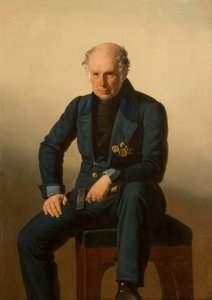
vasily ivanovich demut malinovsky
1779 - 1846 , Russia
Quick Facts
- Artistic Movement Or Style: Romantic Landscape
- Artists Or Movements Influenced By This Artist:
- Joseph Wright
- Samuel Ireland
- Artists Who Influenced This Artist:
- Salvator Rosa
- Giovanni Battista Cipriani
- Robert Edge Pine
- Sir Joshua Reynolds
- Date Of Birth: 17 September 1740
- Date Of Death: 4 February 1779
- Full Name: John Hamilton Mortimer
- Nationality: British
- Notable Artworks:
- St Paul Preaching
- Banditti
- Conversation pieces
- Place Of Birth: Eastbourne, England

