

 Preview
 Send
Send Share
Share
 Details

 Download
 Similars
 X-Ray
X-Ray Diaporama
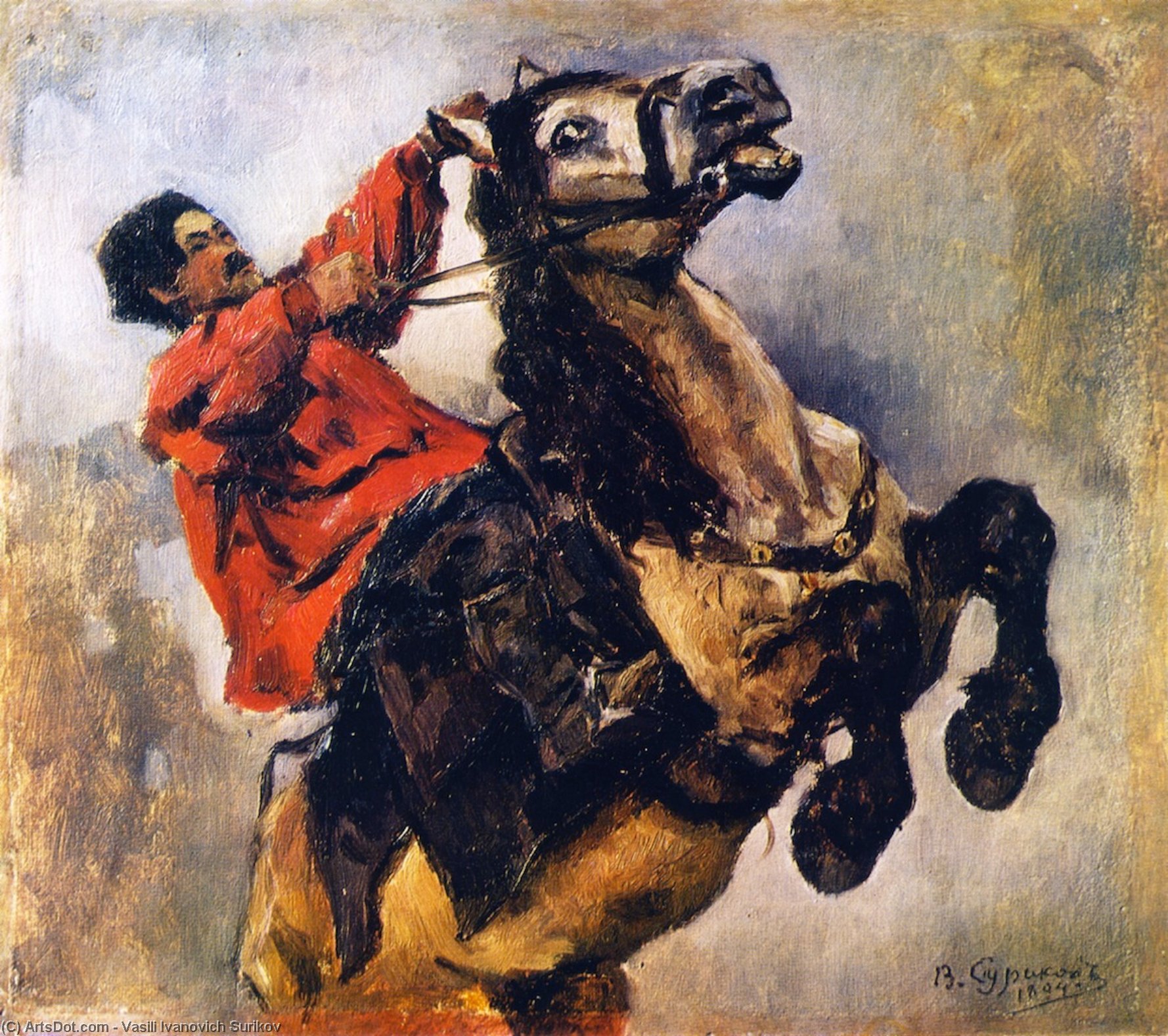
A Tartar Horseman
 Oil On Canvas
- WallArt
- Russian Realism
 1894
1894- Renaissance
 39.0 x 26.0 cm
 Tretyakov Gallery
 Read More
Purchase a high-resolution, enhanced digital image, far superior to the online preview.
Each file is meticulously prepared by our in-house specialists using advanced tools and expert manual retouching. We ensure every image has exceptional clarity, precise color accuracy, and fine detail.
The final file is delivered via email within 72 hours, optimized for immediate use in professional, editorial, and print environments. This is the same quality trusted by top-tier design studios, publishers, and galleries.
Digital Image
Download a high-resolution file for personal display, printing, and creative projects. ( Buy Print Buy Hand Made Painting)
Included in Every Digital Image Order
Expert Digital Delivery, Guaranteed
When you choose ArtsDot.com, you're not just getting an image - you're receiving a professionally enhanced digital artwork, crafted with precision and backed by a satisfaction guarantee. Here's everything that comes with your order, automatically:

Fast Email Delivery
Your high-resolution digital image file will be emailed to you within 72 hours of ordering - ready for immediate use.

AI-Enhanced Digital File
Your artwork is professionally optimized using advanced AI tools and manual editing, ensuring maximum detail, clarity, and color accuracy.

Free Lifetime Re-Delivery
Accidentally deleted or lost your file? No worries - we'll resend it to you anytime, free of charge.

No Import Fees - Ever
Enjoy your artwork instantly with zero customs, duties, or delivery fees - digital downloads are always tax-free.

Color Accuracy Guarantee
We ensure your digital image reflects the original colors as closely as possible using professional tools and color management.

60-Day Satisfaction Guarantee
If you're not satisfied with your digital image, we'll revise it or refund 100% within 60 days - no questions asked.

100% Money-Back Guarantee
Not satisfied? Get a full refund within 60 days of receiving your digital file - no questions asked.

Bulk Order Discounts
Buy 3 images, save 10% - Buy 5, save 15% - Buy 10+, save 20%. Great for creative projects, galleries, and agencies.
Collectible Description
A Tartar Horseman: Capturing the Spirit of Rural Russia
Vasili Ivanovich Surikov’s “A Tartar Horseman,” completed in 1894, is more than just a depiction of a man riding a horse; it's an immersive journey into the heartland of Russia during the late nineteenth century. Housed prominently at the Tretyakov Gallery in Moscow—a testament to its enduring significance—the painting exemplifies Surikov’s masterful approach to Russian Realism.
- Subject Matter: The scene portrays a Tatar horseman traversing a desolate steppe landscape, conveying a sense of ruggedness and resilience. This wasn't merely an observation of daily life; it was a deliberate effort to honor the traditions and hardships endured by rural communities.
- Style & Technique: Surikov employed meticulous detail and atmospheric perspective—techniques honed through extensive research into ethnographic studies—to create a strikingly realistic portrayal. His brushstrokes are broad yet controlled, capturing both the grandeur of the landscape and the physicality of the rider. The artist skillfully utilized chiaroscuro, employing dramatic contrasts between light and shadow to heighten emotional impact.
- Historical Context: Painted during a period of significant social reform in Russia, “A Tartar Horseman” reflects anxieties about modernization and the preservation of cultural heritage. Surikov’s depiction aims to convey not just what was seen but also what *felt* like—the spirit of perseverance amidst adversity that characterized Russian peasant life.
Symbolism & Narrative Depth
Beyond its visual realism, the painting resonates with symbolic layers. The Tatar horseman embodies strength and determination, representing the enduring traditions of nomadic culture against the encroaching influence of Western civilization. The desolate steppe itself symbolizes hardship and isolation—themes that underscore Surikov’s humanist concern for the plight of ordinary people.
- Color Palette: Dominant hues of ochre, brown, and muted reds contribute to a somber yet dignified atmosphere. These colors evoke the earthy tones of the steppe environment and subtly convey the emotional weight of the scene.
- Composition: Surikov’s masterful composition draws the viewer's eye towards the central figure—the horseman—creating a dynamic focal point that emphasizes his unwavering gaze and posture. The positioning of the horse reinforces this sense of stability amidst turbulent surroundings.
Emotional Impact & Legacy
"A Tartar Horseman" transcends mere representation; it evokes profound empathy for those who inhabit challenging circumstances. Surikov’s ability to convey both visual splendor and psychological depth cemented his place as a titan of Russian Realism, influencing generations of artists. Its enduring popularity speaks to the painting's timeless appeal—a celebration of human spirit and cultural heritage that continues to inspire awe and contemplation.
Related Artworks

Artist Biography
The Soul of a Nation Captured in Paint
Vasily Ivanovich Surikov stands as one of the most celebrated figures in Russian art history, a painter whose canvases capture not merely visual representations but profound explorations of Russia’s soul. Born in 1848 in Krasnoyarsk, Siberia, Surikov's early life was marked by hardship and familial struggles—a formative experience that instilled within him an unwavering dedication to portraying the realities of rural Russian society with unflutched honesty. This commitment would become the cornerstone of his artistic vision, propelling him to create monumental works that continue to resonate powerfully today.
His artistic sensibilities were nurtured by a fascination with folklore and peasant life, themes deeply prevalent in Siberian culture. His father, a teacher, instilled in him a love for literature and history, shaping his intellectual curiosity and providing the foundation for his meticulous research into historical subjects. Recognizing Surikov’s talent, his father secured him admission to the St Petersburg Academy of Arts, where he honed his skills under the guidance of masters like Konstantin Dmitrievich Makovsky and Ivan Alekseyevich Kramskoy. These influential figures championed Realism as a dominant artistic style, encouraging Surikov to depict everyday life with psychological depth and emotional resonance.
A Master of Historical Epic and Psychological Depth
Surikov’s oeuvre is characterized by an extraordinary ability to convey atmosphere and emotion through masterful technique. He employed a distinctive approach to painting, meticulously studying the nuances of light and color to achieve unparalleled realism. His brushstrokes were deliberate and expressive, capturing not just what was seen but also what was felt—a hallmark of the Realist movement’s ambition to depict human experience truthfully. His canvases are renowned for their dramatic compositions and evocative lighting, transporting viewers directly into the heart of Russia's most turbulent eras.
The artist gained wide recognition for his large-scale paintings devoted to pivotal episodes from Russian history. These works were distinguished by their immense scale, rigorous attention to historical detail, and a profound psychological expressiveness that breathed life into historical figures. Some of his most enduring contributions to the art world include:
- The Morning of the Streltsy Execution: A hauntingly powerful depiction of political upheaval and human tragedy.
- Boyarynya Morozova: A monumental exploration of religious conviction and social conflict.
- Suvorov Crossing the Alps: A breathtaking scene of military leadership and epic endurance.
- Yermak’s Conquest of Siberia: A tribute to the expansion and rugged spirit of the Russian frontier.
Legacy and Historical Significance
As a prominent member of the Peredvizhniki (The Wanderers) movement and the Union of Russian Artists, Surikov played a vital role in shifting the focus of Russian art toward national identity and social truth. His work bridged the gap between academic tradition and a new, visceral realism that sought to document the struggles and triumphs of the common people alongside the grand narratives of the Tsars. Through his lens, history was not merely a collection of dates, but a living, breathing drama of human will.
Today, the masterpieces of Vasily Surikov are preserved in the world's most prestigious collections, including the State Tretyakov Gallery in Moscow and the State Russian Museum in Saint Petersburg. His influence persists as a testament to his ability to transform historical research into emotional truth, ensuring that his vision of the Russian spirit remains an indelible part of the global artistic heritage.
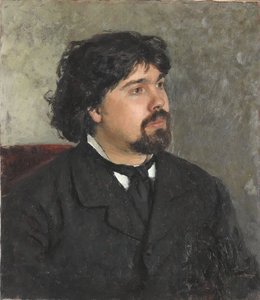
vasily ivanovich surikov
1848 - 1916 , Russia
Quick Facts
- Artistic Movement Or Style: Realism
- Date Of Birth: January 24, 1848
- Date Of Death: March 19, 1916
- Full Name: Vasily Ivanovich Surikov
- Nationality: Russian
- Notable Artworks:
- Third Ecumenical Council of Ephesus
- Old Man in a Kitchen Garden
- Place Of Birth: Krasnoyarsk, Russia

