

 Preview
 Send
Send Share
Share
 Details

 Download
 Similars
 X-Ray
X-Ray Diaporama
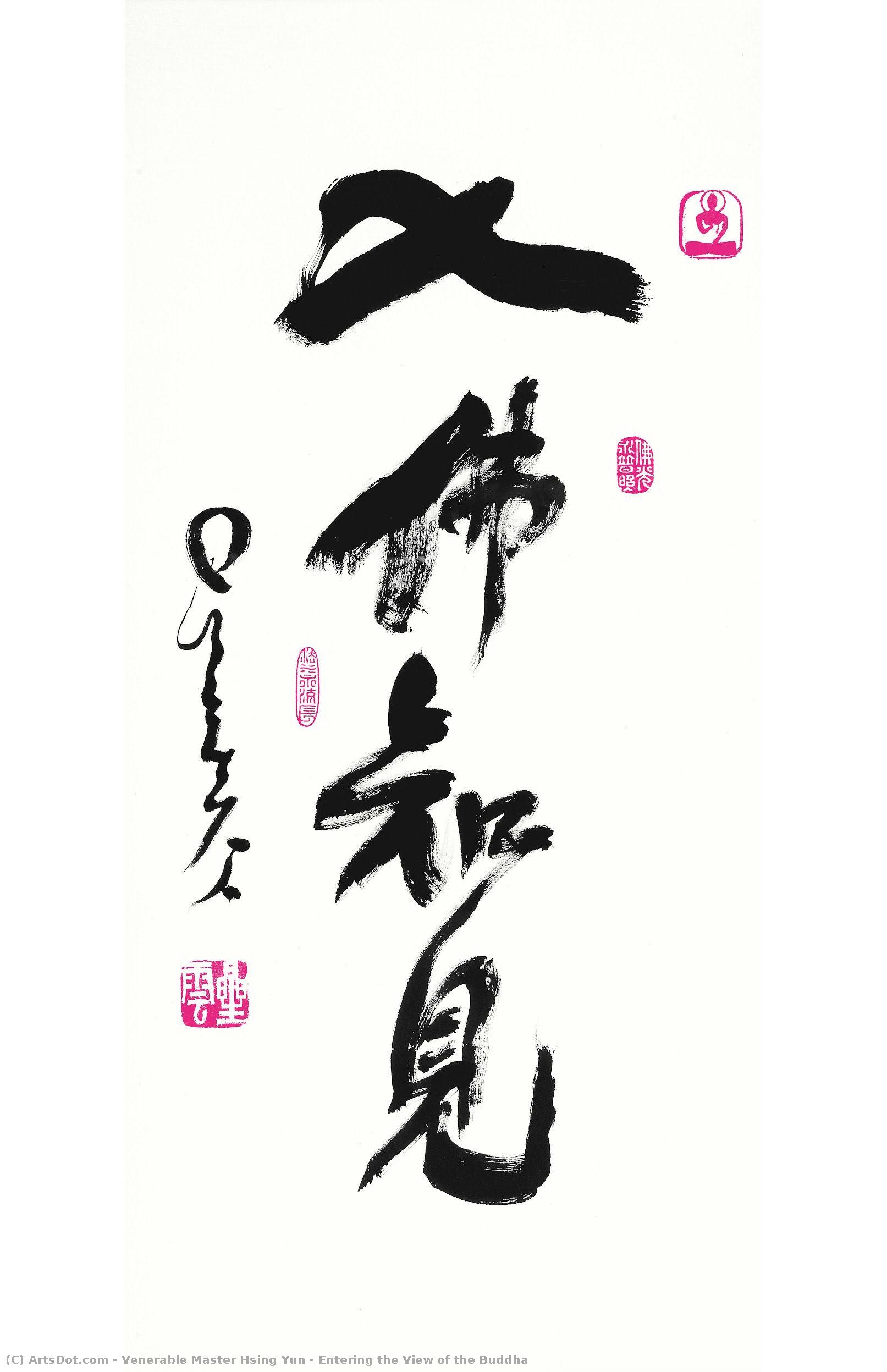
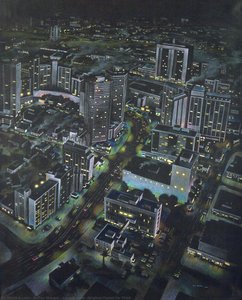
Entering the View of the Buddha
 2004
2004 90.0 x 42.0 cm
 Fo Guang Shan Buddha Museum
 Read More
Purchase a high-resolution, enhanced digital image, far superior to the online preview.
Each file is meticulously prepared by our in-house specialists using advanced tools and expert manual retouching. We ensure every image has exceptional clarity, precise color accuracy, and fine detail.
The final file is delivered via email within 72 hours, optimized for immediate use in professional, editorial, and print environments. This is the same quality trusted by top-tier design studios, publishers, and galleries.
Digital Image
Download a high-resolution file for personal display, printing, and creative projects. ( Buy Print Buy Hand Made Painting)
Included in Every Digital Image Order
Expert Digital Delivery, Guaranteed
When you choose ArtsDot.com, you're not just getting an image - you're receiving a professionally enhanced digital artwork, crafted with precision and backed by a satisfaction guarantee. Here's everything that comes with your order, automatically:

Fast Email Delivery
Your high-resolution digital image file will be emailed to you within 72 hours of ordering - ready for immediate use.

AI-Enhanced Digital File
Your artwork is professionally optimized using advanced AI tools and manual editing, ensuring maximum detail, clarity, and color accuracy.

Free Lifetime Re-Delivery
Accidentally deleted or lost your file? No worries - we'll resend it to you anytime, free of charge.

No Import Fees - Ever
Enjoy your artwork instantly with zero customs, duties, or delivery fees - digital downloads are always tax-free.

Color Accuracy Guarantee
We ensure your digital image reflects the original colors as closely as possible using professional tools and color management.

60-Day Satisfaction Guarantee
If you're not satisfied with your digital image, we'll revise it or refund 100% within 60 days - no questions asked.

100% Money-Back Guarantee
Not satisfied? Get a full refund within 60 days of receiving your digital file - no questions asked.

Bulk Order Discounts
Buy 3 images, save 10% - Buy 5, save 15% - Buy 10+, save 20%. Great for creative projects, galleries, and agencies.
Related Artworks

Artist Biography
The Life and Art of Venerable Master Hsing Yun: A Beacon of Humanistic Buddhism
Venerable Master Hsing Yun, born Lee Kuo-shen in Ningbo, China, in 1927, stands as a towering figure not just within Taiwanese Buddhism but across the global landscape of spiritual thought. His journey, from humble beginnings to becoming one of the “Four Heavenly Kings” of modern Taiwan, is interwoven with a profound commitment to humanistic principles and an unwavering dedication to fostering peace, education, and social well-being. His life’s work transcends mere religious practice; it represents a conscious effort to integrate Buddhist wisdom into the everyday lives of individuals, creating a ripple effect of compassion and understanding throughout the world. Born into a family grappling with poverty following the Sino-Japanese War, Hsing Yun's early experiences instilled in him a deep sense of empathy and a recognition of the interconnectedness of all beings. At the age of twelve, he entered Qixia Temple near Nanjing, embarking on a monastic path that would profoundly shape his worldview. This initial immersion in Buddhist teachings, coupled with his grandmother’s influence as a practicing meditator, laid the foundation for his later advocacy of Humanistic Buddhism – a philosophy emphasizing practical application and social engagement alongside traditional spiritual practices. His early years were marked by rigorous study, culminating in graduation from Jiaoshan Buddhist College in 1947, where he began to formulate his distinctive approach to Buddhist teachings. Following the Chinese Communist victory in 1949, Hsing Yun fled mainland China and arrived in Taiwan, a nation grappling with its own political uncertainties. He quickly established himself as a charismatic leader within the burgeoning Buddhist community, founding the Taiwan Buddhist Seminar and spearheading initiatives aimed at revitalizing Buddhist culture on the island. It was during this period that he adopted the name “Hsing Yun” – “nebula” in Chinese – symbolizing his vision of illuminating the world with the light of compassion and wisdom. This pivotal moment marked a shift towards a more accessible and relevant form of Buddhism, one that resonated with the needs and aspirations of ordinary people. The 1960s witnessed the birth of the Fo Guang Shan Buddhist Order, a cornerstone of Hsing Yun’s legacy. Recognizing the need for a centralized organization capable of propagating his Humanistic Buddhist philosophy on a global scale, he established Fo Guang Shan Monastery in Kaohsiung, Taiwan. This sprawling complex quickly evolved into more than just a religious center; it became a vibrant hub for education, social services, and cultural exchange. Under Hsing Yun’s guidance, the order expanded rapidly, establishing branches across Asia, Europe, Africa, Australia, and the Americas, each reflecting the core values of compassion, peace, and interfaith dialogue. The establishment of Fo Guang Shan was not merely a religious endeavor; it represented a deliberate effort to build a global community rooted in shared ethical principles.Art as Embodiment: Calligraphy and Buddhist Themes
While primarily known for his teachings and organizational leadership, Venerable Master Hsing Yun’s artistic endeavors offer a unique window into the depths of his spiritual practice. His calligraphy, characterized by its elegant strokes and profound symbolism, serves as both a meditative tool and a powerful means of conveying Buddhist concepts. Each brushstroke is imbued with intention, reflecting a deep understanding of the interconnectedness between mind, body, and spirit. His works frequently depict scenes from the life of Buddha, stories from the Sutras, and inspirational quotes from the Dharma teachings. The art produced within the Fo Guang Shan Monastery reflects this commitment to integrating Buddhist principles into everyday life. Paintings often portray serene landscapes, intricate mandalas, and depictions of enlightened beings – all designed to inspire contemplation and cultivate inner peace. The monastery’s Ancient Stanzas & Stories of the Buddha exhibition showcases a remarkable collection of these artworks, offering visitors a tangible connection to the rich tapestry of Buddhist tradition. Notably, Hsing Yun's work often emphasizes the importance of compassion and interconnectedness, reflecting his core philosophy of Humanistic Buddhism. His calligraphy isn't simply decorative; it’s a form of active meditation, a way to embody the teachings he espouses.Humanistic Buddhism: A Philosophy for the Modern World
At the heart of Hsing Yun’s legacy lies his articulation of Humanistic Buddhism – a philosophy that transcends traditional sectarian boundaries and offers a practical framework for navigating the challenges of contemporary life. Unlike some interpretations of Buddhism that focus solely on monastic ideals, Humanistic Buddhism emphasizes the importance of engaging with the world, alleviating suffering, and promoting social justice. It recognizes that enlightenment is not merely an abstract state of being but a transformative process that manifests in our daily actions and interactions. Hsing Yun’s teachings advocate for cultivating virtues such as compassion, loving-kindness, generosity, and wisdom – qualities he believes are essential for creating a more harmonious and sustainable world. He has consistently championed interfaith dialogue, advocating for mutual understanding and cooperation between different religious traditions. His work extends beyond the confines of the monastery, encompassing educational initiatives, charitable programs, and community outreach efforts aimed at addressing pressing social issues such as poverty, environmental degradation, and conflict resolution.Legacy and Influence: A Continuing Journey
Venerable Master Hsing Yun passed away on February 5th, 2023, at the age of 97, leaving behind a profound legacy that continues to inspire millions around the world. His influence extends far beyond Taiwan, shaping Buddhist communities and promoting Humanistic principles in diverse cultural contexts. He is remembered as one of the “Four Heavenly Kings” of Taiwanese Buddhism – alongside Master Sheng-yen, Master Cheng Yen, and Master Wei Chueh – a testament to his significant contributions to the revitalization of Buddhist practice in modern times. The Fo Guang Shan Monastery continues to operate under his successors, carrying forward his vision of building a global community rooted in compassion, peace, and social responsibility. His writings, teachings, and artistic creations remain accessible resources for those seeking guidance on their own spiritual journeys. Hsing Yun’s life serves as a powerful reminder that Buddhist wisdom can be a source of hope and inspiration for individuals and communities facing the challenges of our time – a beacon illuminating the path towards a more just and compassionate world.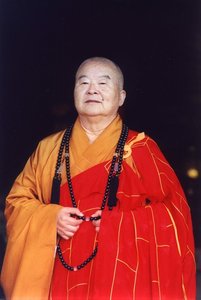
venerable master hsing yun
1927 - 2023 , China
Quick Facts
- Artistic Movement Or Style: Humanistic Buddhism
- Artists Or Movements Influenced By This Artist:
- Dharma Drum Mountain
- Tzu Chi
- Chung Tai Shan
- Artists Who Influenced This Artist: ['Taixu']
- Date Of Birth: 1927-08-19
- Date Of Death: 2023-02-05
- Full Name: Venerable Master Hsing Yun
- Nationality: Taiwanese
- Notable Artworks:
- Entering the View of the Buddha
- Ancient Stanzas & Stories
- Fo Guang Shan Museum
- Place Of Birth: Ningbo, China

