

 Preview
 Send
Send Share
Share
 Details

 Download
 Similars
 X-Ray
X-Ray Diaporama
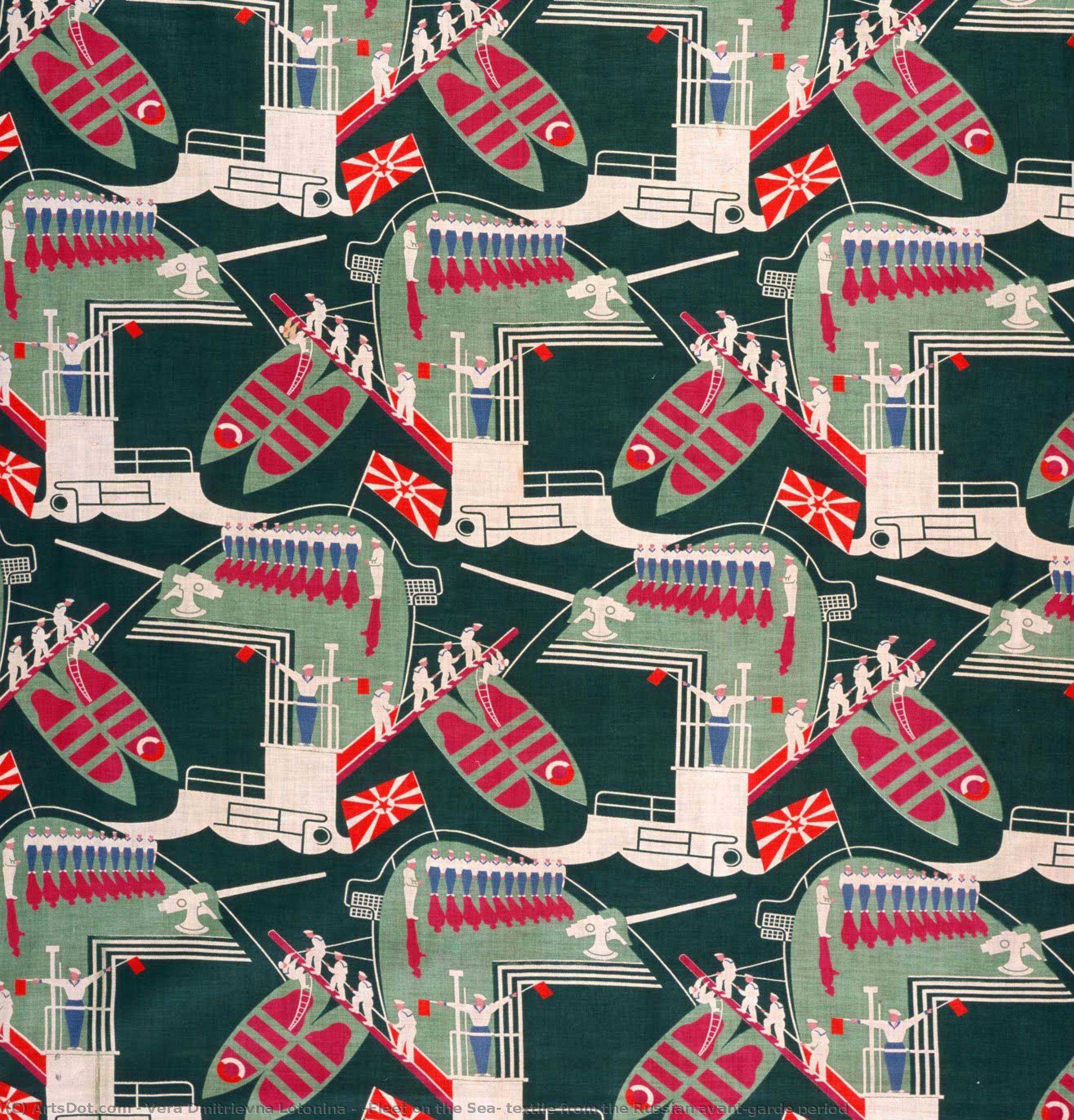
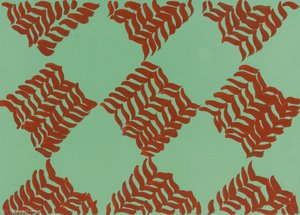
‘Fleet on the Sea’ textile from the Russian avant-garde period
 Acrylic
- WallArt
- Russian Avant-garde
 74.0 x 79.0 cm
 Iwami Art Museum
 Read More
Purchase a high-resolution, enhanced digital image, far superior to the online preview.
Each file is meticulously prepared by our in-house specialists using advanced tools and expert manual retouching. We ensure every image has exceptional clarity, precise color accuracy, and fine detail.
The final file is delivered via email within 72 hours, optimized for immediate use in professional, editorial, and print environments. This is the same quality trusted by top-tier design studios, publishers, and galleries.
Digital Image
Download a high-resolution file for personal display, printing, and creative projects. ( Buy Print Buy Hand Made Painting)
Included in Every Digital Image Order
Expert Digital Delivery, Guaranteed
When you choose ArtsDot.com, you're not just getting an image - you're receiving a professionally enhanced digital artwork, crafted with precision and backed by a satisfaction guarantee. Here's everything that comes with your order, automatically:

Fast Email Delivery
Your high-resolution digital image file will be emailed to you within 72 hours of ordering - ready for immediate use.

AI-Enhanced Digital File
Your artwork is professionally optimized using advanced AI tools and manual editing, ensuring maximum detail, clarity, and color accuracy.

Free Lifetime Re-Delivery
Accidentally deleted or lost your file? No worries - we'll resend it to you anytime, free of charge.

No Import Fees - Ever
Enjoy your artwork instantly with zero customs, duties, or delivery fees - digital downloads are always tax-free.

Color Accuracy Guarantee
We ensure your digital image reflects the original colors as closely as possible using professional tools and color management.

60-Day Satisfaction Guarantee
If you're not satisfied with your digital image, we'll revise it or refund 100% within 60 days - no questions asked.

100% Money-Back Guarantee
Not satisfied? Get a full refund within 60 days of receiving your digital file - no questions asked.

Bulk Order Discounts
Buy 3 images, save 10% - Buy 5, save 15% - Buy 10+, save 20%. Great for creative projects, galleries, and agencies.
Collectible Description
A Geometric Ode to Revolution: Vera Lotonina’s ‘Fleet on the Sea’
The Russian avant-garde movement, born from the fervor of revolutionary idealism and fueled by a desire to reshape society through artistic expression, produced artworks that continue to resonate with their boldness and intellectual depth. Among its most striking achievements is Vera Lotonina's textile design, “Fleet on the Sea,” a testament to both the visual language of abstraction and the urgent messaging of propaganda art—a genre born from the transformative years following 1917. This piece exemplifies the movement’s fascination with geometric forms as vehicles for conveying ideological concepts while simultaneously capturing the spirit of an era grappling with industrial progress and social upheaval.Style and Technique: Embracing Precision and Rhythm
Lotonina's approach to textile design distinguishes itself through meticulous attention to detail and a masterful manipulation of color and composition. Departing from traditional decorative patterns, she eschewed ornamentation in favor of simplified geometric shapes—primarily rectangles and triangles—to depict the Russian fleet and its sailors. The artist skillfully employed a muted palette dominated by blues and greys, mirroring the vast expanse of the ocean and conveying a sense of solemn contemplation. These colors aren’t merely descriptive; they contribute to an overall feeling of stability and seriousness, aligning perfectly with the propagandistic intent of the artwork. Furthermore, the rhythmic arrangement of shapes creates visual dynamism—a subtle pulse that draws the eye across the fabric surface.Historical Context: Propaganda Art and the Symbolism of Industry
“Fleet on the Sea” emerged during a pivotal moment in Russian history – immediately following the Bolshevik seizure of power. The Soviet government recognized art’s capacity to disseminate revolutionary ideals and mobilize public opinion, commissioning artists like Lotonina to create textiles that would serve as visual emblems of the new order. Beyond simply representing the navy, the design incorporates symbols emblematic of industrial society: stylized mattocks (representing labor), gears (symbolizing technological advancement), and electric wires—all reflecting the ambitious vision for Russia’s future under Lenin. The inclusion of a clock reinforces this temporal dimension, hinting at the passage of time and the relentless march toward progress.Emotional Impact: A Reflection of Resilience and Hope
Despite its austere aesthetic, “Fleet on the Sea” possesses an undeniable emotional resonance. The geometric abstraction serves not to diminish but rather to heighten the impact of the depicted subject—the fleet—transforming it into a symbol of strength and perseverance. The careful selection of colors evokes tranquility yet underscores the seriousness of the occasion commemorated. Ultimately, Lotonina’s textile design transcends mere visual representation; it embodies the spirit of a nation striving for transformation, conveying a message of unwavering optimism amidst challenging circumstances. It stands as an enduring reminder that beauty can emerge from austerity and that art can powerfully communicate profound ideas.Related Artworks
Artist Biography
Frida Kahlo: A Life Painted in Pain and Passion
Frida Kahlo, a name synonymous with resilience, raw emotion, and unapologetic self-expression, remains one of the most compelling figures in 20th-century art. Born Magdalena Carmen Frida Kahlo y Calderón on July 6, 1907, in Coyoacán, Mexico City, her life was marked by profound physical suffering and emotional turmoil – experiences that became the very foundation of her intensely personal and profoundly moving artistic vision. Her work transcends simple portraiture; it’s a visceral exploration of identity, pain, love, and the complexities of being female in a patriarchal society.
Kahlo's early life was disrupted by polio at age six, leaving her with a permanent limp. However, a devastating bus accident at eighteen shattered her spine, pelvis, and ribs, confining her to a bed for months on end. This traumatic event became the catalyst for her artistic journey. Unable to paint freely, she began meticulously documenting her physical pain and emotional state through self-portraits – an act of both confronting her suffering and asserting her own agency.
Her artistic influences were diverse and often contradictory. She admired European surrealism, particularly the works of Salvador Dalí and René Magritte, but fiercely rejected their detached, dreamlike approach. Instead, she drew upon Mexican folk art, pre-Columbian symbolism, and indigenous traditions to create a uniquely personal style characterized by vibrant colors, symbolic imagery, and unflinching honesty. Diego Rivera, her tumultuous marriage with the renowned muralist, was another significant influence – both a source of inspiration and constant heartache.
The Surreal World Within
Kahlo’s self-portraits are not merely representations of her physical appearance; they are meticulously constructed narratives of her inner world. Works like *The Two Fridas* (1939) – depicting two versions of herself, one dressed in traditional Tehuana attire and the other in European clothing – powerfully explore themes of duality, identity, and the conflicting aspects of her personality. Similarly, *The Broken Column* (1944) graphically portrays her physical pain following the bus accident, with a crumbling Ionic column replacing her spine, symbolizing her vulnerability and enduring suffering.
Her paintings are laden with symbolism drawn from Mexican culture and mythology. Monkeys, parrots, thorns, hummingbirds – each element carries specific meaning within her personal lexicon. She frequently incorporated elements of pre-Columbian art, particularly the iconography of fertility and sacrifice, reflecting a deep connection to her indigenous heritage.
A Marriage of Art and Life
The relationship with Diego Rivera was a central, albeit agonizing, thread in Kahlo’s life. Their marriage, beginning in 1929, was passionate but fraught with infidelity on both sides. Despite the constant betrayals, they remained deeply connected artistically and emotionally. Rivera encouraged her to embrace her talent and provided her with opportunities to exhibit her work. However, his public affairs and his dismissive attitude towards her artistic ambitions often fueled her pain and contributed to her self-destructive tendencies.
Despite the difficulties, Kahlo continued to produce an astonishing volume of work during their marriage – over 140 paintings and numerous sketches and drawings. Her art became a means of processing her emotional wounds, asserting her independence, and challenging societal expectations of women at the time.
Legacy and Recognition
Although Kahlo’s talent was initially overshadowed by Rivera's fame, she gained increasing recognition in the decades following her death in 1954. Her work began to be exhibited internationally, and she became a feminist icon and symbol of resilience. In recent years, there has been a surge of interest in her life and art, fueled by biographical accounts like Hayden Herrera’s *Frida: A Biography of Frida Kahlo* (1983) and the acclaimed 2002 film adaptation directed by Julie Taymor.
Today, Frida Kahlo's legacy extends far beyond the art world. Her unflinching honesty, her embrace of vulnerability, and her refusal to conform to societal norms continue to inspire artists, activists, and individuals around the globe. Her paintings serve as a powerful reminder that even in the face of immense suffering, beauty and creativity can flourish.
Joan Miró: A Universe of Dreams
Born Josep Lluís Sert i Montull on February 26, 1893, in Barcelona, Spain, Joan Miró developed a distinctive artistic style characterized by whimsical imagery, vibrant colors, and a dreamlike quality. His work evolved over several decades, encompassing painting, sculpture, printmaking, ceramics, and stage design. Miró’s art is often described as surrealist, but he resisted being categorized within any single movement, preferring to define it as “anti-art.”
Miró's early artistic training included studies at the Real Academia de Bellas Artes de San Fernando in Madrid and the Granja Escuela de Arte y Oficios in Barcelona. He was influenced by Cubism, Fauvism, and Expressionism, but he quickly developed his own unique visual language. His work frequently incorporates elements of Catalan folklore, mythology, and childhood memories.
During World War II, Miró fled Spain for France, where he continued to create art while also working as a set designer for the Paris Opera. He became associated with the Surrealist movement in the 1920s, but he maintained a critical distance from its more rigid theoretical foundations. His paintings often depict fantastical creatures, biomorphic forms, and abstract symbols that evoke a sense of mystery and wonder.
The Language of Symbols
Miró’s art is rich in symbolism, although he rarely offered explicit explanations for the meaning of his images. Recurring motifs include birds, insects, stars, eyes, hands, and geometric shapes – each carrying its own significance within his personal iconography. He often used spontaneous drawing techniques to create his paintings, allowing the subconscious to guide his hand.
Miró’s work has been exhibited extensively throughout Europe and North America. He received numerous awards and honors during his lifetime, including the Preu de Catalunya Prize in 1970 and the Legion of Honor in France. He died on January 26, 1983, in Palma de Mallorca, Spain.
Joan Miró: A Lasting Vision
Joan Miró’s legacy as one of the most innovative and imaginative artists of the 20th century is secure. His playful use of color, his dreamlike imagery, and his profound sense of wonder continue to captivate audiences around the world. His work serves as a reminder that art can be both deeply personal and universally accessible – a testament to the power of imagination and creativity.
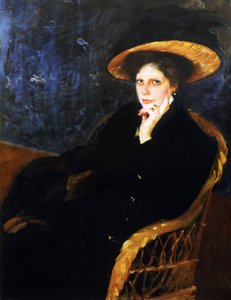
vera dmitrievna lotonina
1983 - , Czech Republic
Quick Facts
- Artistic Movement Or Style: Surrealism, Abstract
- Artists Or Movements Influenced By This Artist: ["Miró's work influenced Surrealism and Abstract Expressionism."]
- Artists Who Influenced This Artist:
- Picasso
- Van Gogh
- Fauves
- Cubists
- Date Of Birth: 1893-02-26
- Date Of Death: 1983-01-51
- Full Name: Joan Miró
- Nationality: Spanish
- Notable Artworks:
- La Ferme
- Self-portrait
- Mourlot Centenaire
- Place Of Birth: Barcelona, Spain

