 Preview
 Send
Send Share
Share
 Details

 Download
 Similars
 X-Ray
X-Ray Diaporama
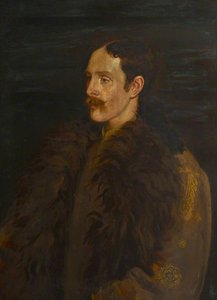
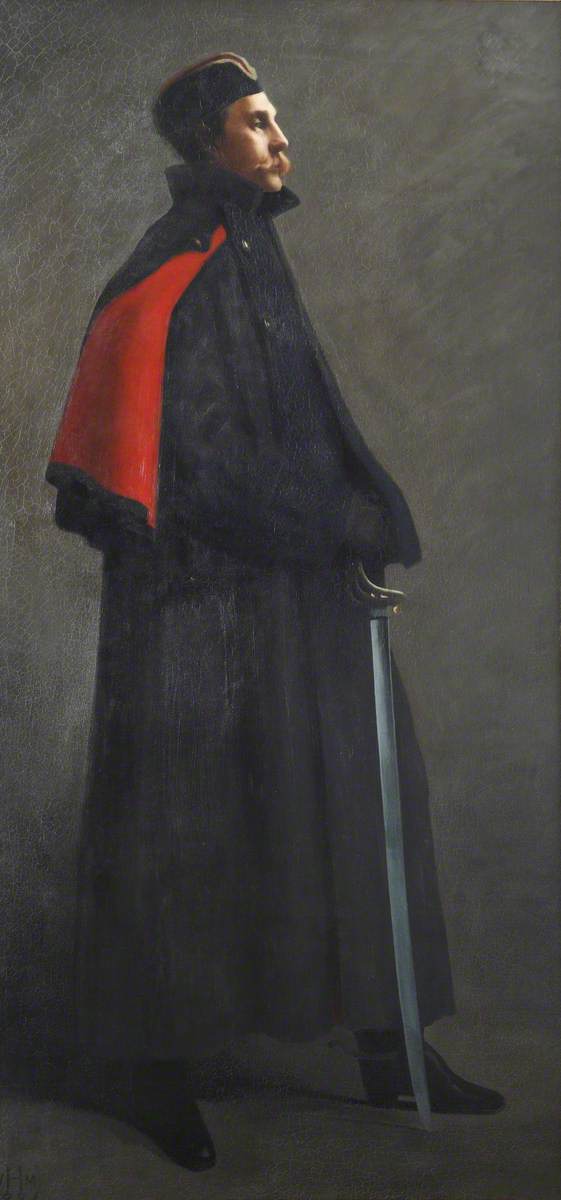
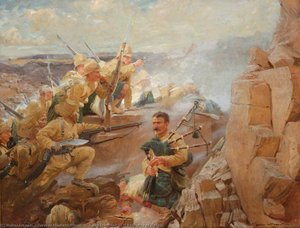
An Aide de camp, Captain (later General Sir) Ian Standish Monteith Hamilton (1853–1947), (later GCB, GCMG), 1882
 1886
1886 204.0 x 108.0 cm
 Read More
Hand Made Oil Reproduction
Hand-painted oil on canvas in your size and frame, made to order by our artists. ( Buy Print Buy Image)




































Pick from our preset sizes that match the artwork's original proportions.

You may enter your own dimensions to fit a specific frame or space. If your selected size does not match the original image's proportions, we will either crop the artwork or extend the painting with additional hand-painted elements. A digital mockup will be sent for your approval before production begins.
Please note that the on-screen preview does not reflect the actual cropping or extension. Only the mockup will accurately show the final composition.
While custom sizes are available, we recommend selecting a dimension from the predefined list to preserve the original proportions.
After order, ArtsDot.com team will email client for instructions and provide a mockup preview
Worldwide Delivery () in 3/4 weeks instead of standard 5 weeks. (27 August). No compromise on quality.

Free Worldwide Express Shipping

High-Quality Linen Canvas

Full Shipping Insurance

Customs Tax Refund Guarantee

True Color Matching Guarantee

60-Day Return Policy (Defects Only)

100% Money-Back Guarantee

Bulk Discount Offer
 Glass option is only available in size under 110 CM

An Aide de camp, Captain (later General Sir) Ian Standish Monteith Hamilton (1853–1947), (later GCB, GCMG), 1882
Reproduction Medium
Reproduction Size
-


Total Price
$ 263
Related Artworks









Artist Biography
Early Life and Military Calling
Vereker Monteith Hamilton, born in 1856, was a figure inextricably linked to the waning days of the British Empire. His path wasn't one traditionally forged for an artist; rather, it began within the disciplined ranks of the military. The son of Colonel Vere Henry Monteith, he inherited not only a name steeped in service but also a deep connection to the landscapes and conflicts that would later dominate his canvases. He entered the army, serving with the 72nd Duke of Cambridge’s Own Rifles, and it was during his deployments – particularly those within India and Afghanistan – that the seeds of his artistic vocation were sown. The rugged beauty of these territories, coupled with the dramatic events unfolding around him, proved a far more compelling subject than any formal training could have initially provided. He wasn't merely an observer *of* war; he was immersed in it, experiencing firsthand the complexities of colonial life, the bravery and hardship of soldiers, and the often-stark realities of imperial power. This early exposure would fundamentally shape his artistic vision, imbuing his work with a sense of authenticity rarely found in studio-bound depictions of military scenes.From Soldier to Sketcher: Developing an Artistic Voice
Monteith Hamilton’s transition from soldier to artist wasn't abrupt. He began sketching during lulls in active service, initially as a means of personal documentation and recreation. These early works were often small, intimate studies capturing the everyday life of camp followers, local inhabitants, and the imposing grandeur of the Himalayan foothills. As his skills developed, he moved beyond simple reportage, attempting to convey not just *what* he saw but also *how* it felt – the oppressive heat, the dust-laden air, the camaraderie amongst troops, and the underlying tension of a region perpetually on the brink of conflict. He received some formal artistic instruction later in life, refining his technique and broadening his understanding of composition and color theory. However, his most significant education came from direct observation and an unwavering commitment to portraying the scenes he knew so intimately. His style evolved into a blend of realism and romanticism, characterized by meticulous detail, dramatic lighting, and a palpable sense of atmosphere. He wasn’t interested in glorifying war; instead, he sought to capture its human cost and the often-unseen aspects of imperial life.The Afghan Campaigns: A Defining Subject
Monteith Hamilton's most celebrated works center around his experiences during the Second Anglo-Afghan War (1878–1880). He participated in several key engagements, including the siege of Kabul and the perilous retreat to India. These events provided him with a wealth of material – from sweeping panoramic views of mountain passes to intimate portraits of Gurkha soldiers and British officers. His paintings of the Afghan campaigns are notable for their unflinching portrayal of hardship and danger. He doesn’t shy away from depicting the brutal realities of combat, but he also emphasizes the resilience and courage of the troops involved. His depictions of the Gurkha Rifles, in particular, stand out for their sensitivity and respect. He captures not just their martial prowess but also their cultural identity and unwavering loyalty. Works like “A Skirmish with Afghan Tribesmen” and “The Relief of Kabul” are powerful testaments to the challenges faced by British forces during this tumultuous period. These paintings weren’t simply historical records; they were attempts to understand and convey the complexities of a conflict that had far-reaching consequences for both Britain and Afghanistan.Beyond Afghanistan: Depicting Imperial Life
While the Afghan campaigns remained a central theme throughout his career, Monteith Hamilton also produced a significant body of work depicting other aspects of imperial life in India. He painted scenes of bustling marketplaces, serene landscapes, and portraits of local dignitaries. These works offer a fascinating glimpse into the social and cultural fabric of British India during the late 19th century. He was particularly adept at capturing the interplay between different cultures, portraying both the tensions and the harmonies that existed within this complex colonial society. His landscapes, often featuring distant views of snow-capped mountains or lush tropical vegetation, are imbued with a sense of tranquility and beauty. However, even in these seemingly idyllic scenes, there’s often an underlying awareness of the power dynamics at play. He wasn't simply celebrating the exoticism of India; he was attempting to capture its essence – its beauty, its complexity, and its inherent contradictions.Legacy and Historical Significance
Vereker Monteith Hamilton died in 1931, leaving behind a remarkable body of work that offers a unique perspective on the British Empire. His paintings are valued not only for their artistic merit but also for their historical significance. They provide invaluable insights into the lives of soldiers, the challenges of colonial warfare, and the cultural complexities of imperial life.- His works stand as important visual documents of a pivotal period in history.
- He offered a more nuanced portrayal of conflict than many of his contemporaries.
- His sensitivity to different cultures sets him apart from other military artists of the era.
vereker monteith hamilton
1856 - 1931