 Preview
 Send
Send Share
Share
 Details

 Download
 Similars
 X-Ray
X-Ray Diaporama
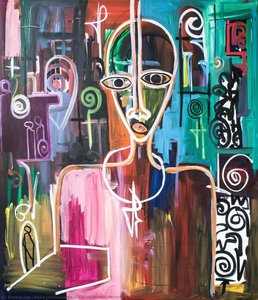
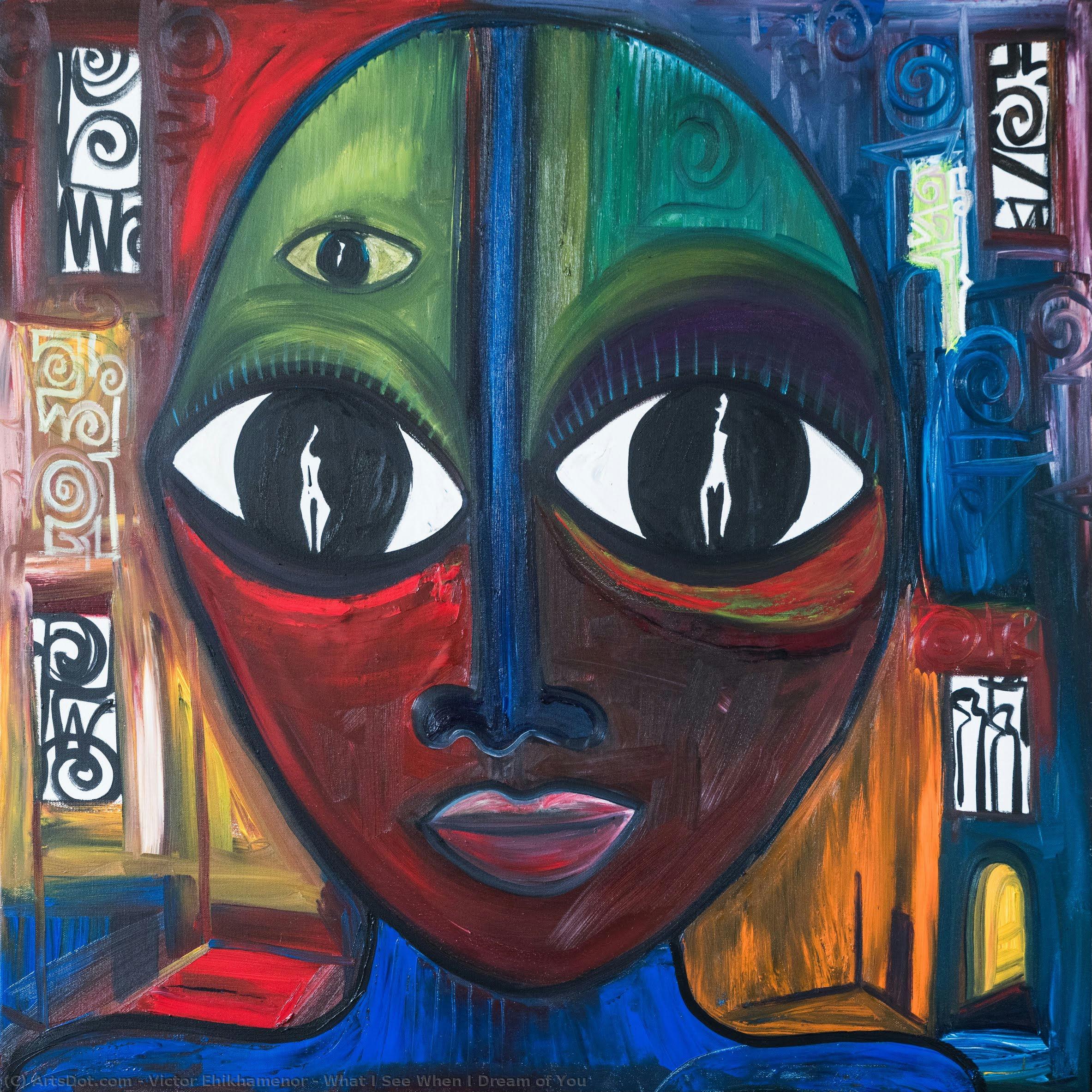
What I See When I Dream of You


 Read More
Hand Made Oil Reproduction
Hand-painted oil on canvas in your size and frame, made to order by our artists. ( Buy Print Buy Image)




P118B $10

P118H $10

P118W $10

P438Z $10

P508JH $12

P508YH $12

P805H $10

P805Z $10

P919BZ $10

P919G $10

P919XJ $10

P959ZH $10

P968JZ $12

W106C $8

W218G $10

W218JH $8

W218Y $10

W307PJ $10

W316G $10

W316PJ $8

W316Y $10

W398PJ $8

W4111J $10

W500HY $15

W500JH $15

W692G $12

W849H $8

W940BG $15

W953PJ $8




Pick from our preset sizes that match the artwork's original proportions.

You may enter your own dimensions to fit a specific frame or space. If your selected size does not match the original image's proportions, we will either crop the artwork or extend the painting with additional hand-painted elements. A digital mockup will be sent for your approval before production begins.
Please note that the on-screen preview does not reflect the actual cropping or extension. Only the mockup will accurately show the final composition.
While custom sizes are available, we recommend selecting a dimension from the predefined list to preserve the original proportions.
After order, ArtsDot.com team will email client for instructions and provide a mockup preview
Worldwide Delivery () in 3/4 weeks instead of standard 5 weeks. (25 August). No compromise on quality.

Free Worldwide Express Shipping

High-Quality Linen Canvas

Full Shipping Insurance

Customs Tax Refund Guarantee

True Color Matching Guarantee

60-Day Return Policy (Defects Only)

100% Money-Back Guarantee

Bulk Discount Offer
 Glass option is only available in size under 110 CM

What I See When I Dream of You
Reproduction Medium
Reproduction Size
-


Total Price
$ 263
Artwork Description
A Kaleidoscope of Visionary Dreams
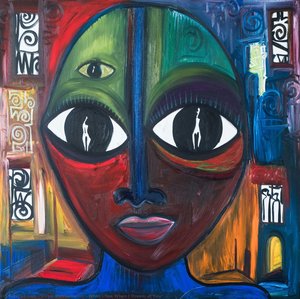
In the mesmerizing realm of Victor Ehikhamenor, reality and subconsciousness collide in a vibrant explosion of color and form. His 2019 masterpiece, What I See When I Dream of You, serves as a profound window into a dreamscape where the boundaries of the self begin to dissolve. The painting presents a central, multi-colored face that acts as an anchor for a swirling cosmic dance of hues. Through a masterful application of blue, green, red, yellow, and purple, the artist constructs a visage that is not merely a portrait, but a map of emotional depth. This kaleidoscopic approach to the human countenance invites the viewer to look beyond the surface, suggesting that our identities are composed of a myriad of shifting, luminous layers.
The composition is a complex tapestry of presence and absence. Beyond the central gaze, the artist introduces additional figures—one drifting on the left, another positioned toward the right, and a third watching from the top center. These spectral presences create a sense of profound depth, transforming the canvas into a multidimensional space where memory and imagination coexist. This layering technique does more than just add complexity; it evokes the feeling of a crowded dream, where loved ones and strangers alike emerge from the shadows of the mind to participate in a shared, silent dialogue.
Symbolism and the Language of Color
Ehikhamenor’s use of color in this work transcends mere decoration, functioning instead as a visceral language of emotion. The interplay between the cool blues and greens against the heat of reds and yellows creates a rhythmic tension that mirrors the pulse of a dream. Each pigment carries a weight of symbolism, representing the various facets of longing, nostalgia, and spiritual connection implied by the title. The way the colors bleed into one another suggests a state of flux, where the distinction between the dreamer and the dreamed is intentionally blurred.
The presence of the secondary figures adds a layer of narrative mystery, prompting the observer to contemplate the nature of connection. Are these figures echoes of past lovers, ancestral spirits, or fragments of a fractured psyche? By placing these characters in a non-linear arrangement, the artist challenges the viewer to find their own meaning within the chaos. It is this very ambiguity that gives the piece its enduring power, making it a subject of endless contemplation for those who seek art that speaks to the complexities of human intimacy and the unseen threads that bind us to others.
An Essential Addition to Sophisticated Interiors
For the discerning collector or interior designer, What I See When I Dream of You offers an unparalleled opportunity to introduce a focal point of immense character and intellectual stimulation into a space. The painting’s bold palette and intricate composition make it an ideal centerpiece for modern, contemporary, or eclectic environments. It possesses the rare ability to command attention in a large gallery setting while simultaneously providing a sense of intimate, soulful warmth in a private study or living room.
As a high-quality reproduction, this work allows enthusiasts to bring the profound energy of Ehikhamenor’s vision into their homes. The visual richness of the blues and purples can complement minimalist decor by adding much-needed texture and life, or it can serve as a vibrant companion to more maximalist, curated collections. Investing in such a piece is not merely about decorating a wall; it is about curating an atmosphere of wonder, inviting guests and residents alike to lose themselves in the beautiful, colorful mysteries of the dreaming mind.
Related Artworks
Artist Biography
Jenny Saville: A Body of Flesh and Fury
Born in Cambridge, England, in 1970, Jenny Saville’s work has irrevocably shifted our gaze towards the female form, challenging conventional notions of beauty and demanding a visceral engagement with the realities of the body. Initially emerging as one of the pivotal Young British Artists (YBAs) alongside figures like Damien Hirst and Tracey Emin, Saville quickly distinguished herself through her intensely personal and often unsettling depictions of women – not idealized goddesses, but powerfully rendered subjects grappling with their own physicality, anxieties, and experiences.
Saville’s artistic journey began with a deliberate rejection of the conceptual and neo-conceptual trends prevalent within the YBA movement. While her contemporaries embraced multimedia installations and provocative shock tactics, Saville returned to the fundamental tools of painting – oil on canvas – dedicating herself to meticulously rendered figurative works. Her canvases are dominated by colossal, fleshy figures, often presented in close-up, revealing every imperfection, scar, and ripple of skin. This commitment to direct representation, combined with a masterful understanding of color, light, and texture, creates an immediate and profoundly affecting impact on the viewer.
Influences on Saville’s work are diverse and layered. She cites Renaissance masters like Rubens for her technical skill and ability to convey volume and weight, yet she simultaneously draws upon the abstraction of Cubism and the sensuality of Baroque painting. Elements of Abstract Expressionism also permeate her style, particularly in the loose brushwork and expressive use of color. Furthermore, Saville’s work engages with contemporary issues surrounding gender, obesity, and societal pressures to conform to unrealistic beauty standards. Her paintings are not simply portraits; they are explorations of how we perceive our own bodies and how those perceptions are shaped by external forces.
The Rise of the “Meat Paintings”
Saville’s breakthrough came with a series of large-scale paintings, often referred to as her "meat paintings," beginning in the late 1990s. These works – including *Provocations* (1997), *Girl* (1998), and *Back* (2001) – caused considerable controversy upon their exhibition. Critics initially reacted with shock and discomfort, questioning the artist’s motives and accusing her of exploiting female bodies. However, as Saville continued to produce these powerful images, a deeper understanding of their significance began to emerge.
The “meat paintings” are not intended to be overtly sexual or exploitative. Instead, they represent a deliberate confrontation with the often-overlooked realities of the female body – its weight, its texture, its imperfections. Saville’s subjects are presented without apology, stripped bare of any idealized veneer. She forces viewers to confront their own biases and assumptions about beauty, prompting a critical examination of how we judge and value women's bodies.
Career Highlights & Recognition
Jenny Saville has rapidly established herself as one of the most important contemporary painters working today. Her work is exhibited in prestigious galleries around the world, including Gagosian Gallery, which represents her internationally. She has mounted solo exhibitions at renowned institutions such as the Museo di Palazzo Vecchio in Venice, the Scottish National Gallery in Edinburgh, and the Norton Museum of Art in Florida.
Her paintings are highly sought after by public collections, with significant works held by institutions like The Broad in Los Angeles, the George Economou Collections in Athens, the Metropolitan Museum of Art in New York, and numerous other museums across Europe and North America. This widespread recognition underscores the enduring impact and critical acclaim of her artistic vision.
Exploring the Body & Beyond
Saville’s oeuvre extends beyond her iconic “meat paintings.” She continues to explore themes related to the body, identity, and social perception through a diverse range of subjects and approaches. Her work often incorporates elements of photography, utilizing close-up details and carefully constructed compositions to create a sense of immediacy and intimacy. She frequently addresses issues surrounding gender binary, obesity, and the pressures faced by women in contemporary society.
Furthermore, Saville’s paintings are not simply about the female form; they are also meditations on memory, experience, and the passage of time. Her subjects often appear vulnerable and exposed, inviting viewers to contemplate their own lives and relationships. Through her unflinching honesty and technical mastery, Jenny Saville has created a body of work that is both profoundly moving and intellectually stimulating – a testament to the power of painting to confront difficult truths and challenge conventional perspectives.
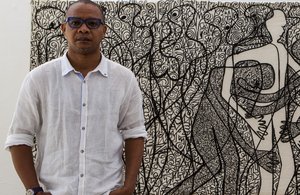
victor ehikhamenor
1970 - , Nigeria
Quick Facts
- Artistic Movement Or Style: Figurative painting
- Artists Or Movements Influenced By This Artist:
- YBA scene
- Neo-conceptual art
- Artists Who Influenced This Artist:
- Rubenses
- Cubism
- Baroque
- Date Of Birth: 1970
- Full Name: Jenny Saville
- Nationality: British
- Notable Artworks:
- Swollen
- Propped
- Meat Tree
- Place Of Birth: Cambridge, UK
Related Articles
Kandinsky's Masterpieces: 25 Paintings That Define Abstract Art | ArtsDot
Journey through Wassily Kandinsky's 25 most iconic abstract paintings. Explore his revolutionary use of color, form & spiritual expressionism. Find museum-quality Kandinsky reproductions and elevate your home decor with ArtsDot.com. Discover all masterpieces on ArtsDot.com!
Abstract Expressionism's 10 Defining Masterpieces |
Explore 10 defining Abstract Expressionism masterpieces by Pollock, Rothko & de Kooning. Discover the stories behind these iconic paintings and find museum-quality art reproductions to elevate your home decor on .

Geometric Abstraction's 10 Defining Masterpieces | Art for Your Home - ArtsDot
Explore 10 defining masterpieces of Geometric Abstraction! Discover Kandinsky, Mondrian & Malevich’s iconic works. Find museum-quality art reproductions and curated decor ideas to elevate your home at ArtsDot.com.
Kazimir Malevich: 25 Masterpieces of Suprematism & Abstract Art | ArtsDot
Explore 25 iconic artworks by Kazimir Malevich, pioneer of Suprematism & abstract art. Discover the stories behind 'Black Square' and more! Find museum-quality prints & elevate your home decor with ArtsDot.com.
Joan Miró's Masterpieces: 25 Iconic Paintings for Art Lovers & Home Decor
Explore 25 iconic Joan Miró paintings! Discover the stories behind his Surrealist masterpieces, vibrant colors & unique style. Find museum-quality Miro reproductions and elevate your home decor with ArtsDot.com. Explore the full collection online.