

 Preview
 Send
Send Share
Share
 Details

 Download
 Similars
 X-Ray
X-Ray Diaporama
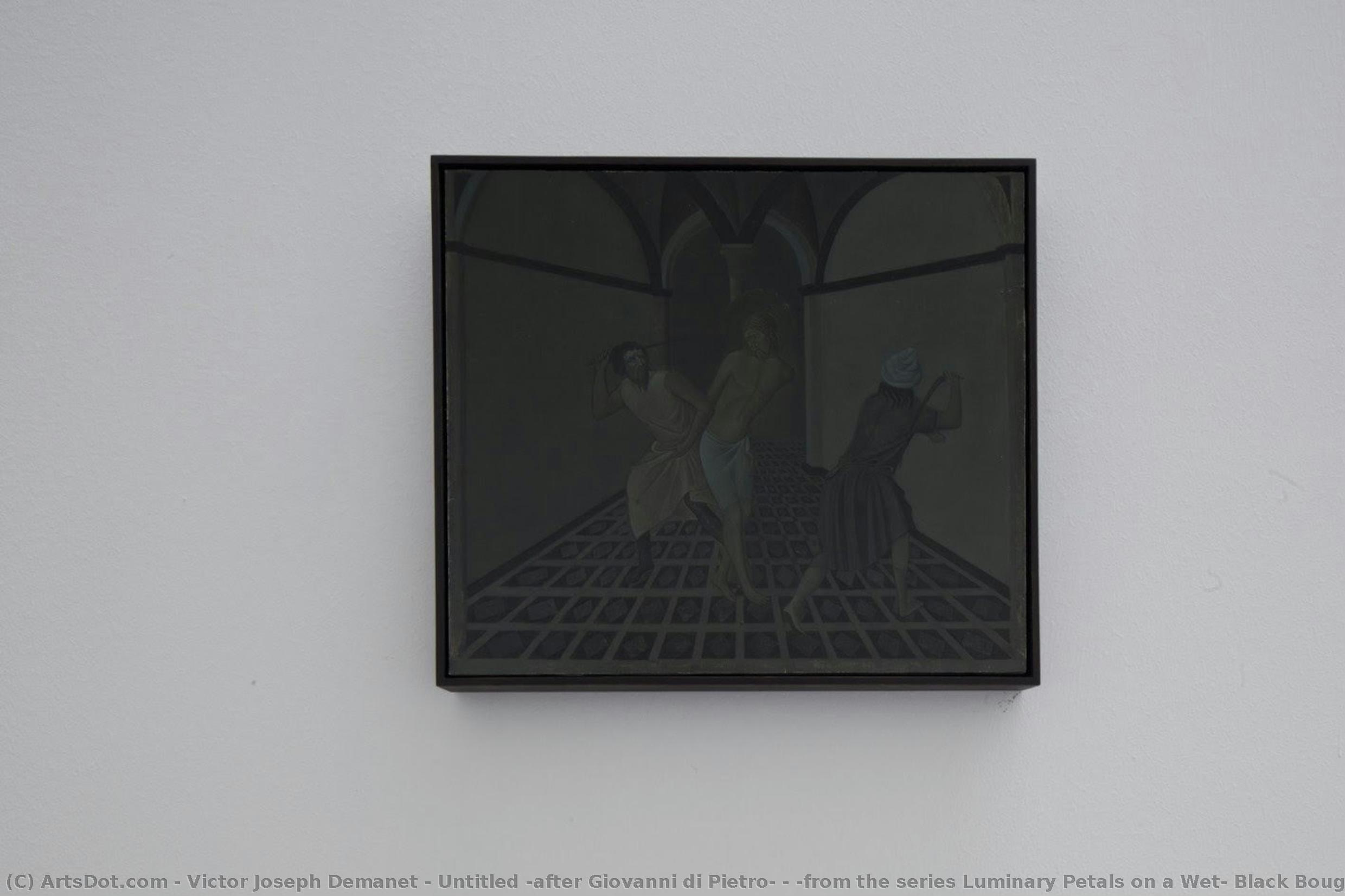
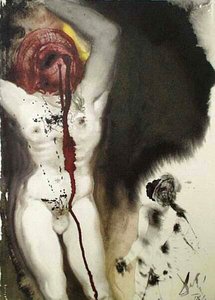
Untitled (after Giovanni di Pietro) - (from the series Luminary Petals on a Wet, Black Bough)


 Read More
Purchase a high-resolution, enhanced digital image, far superior to the online preview.
Each file is meticulously prepared by our in-house specialists using advanced tools and expert manual retouching. We ensure every image has exceptional clarity, precise color accuracy, and fine detail.
The final file is delivered via email within 72 hours, optimized for immediate use in professional, editorial, and print environments. This is the same quality trusted by top-tier design studios, publishers, and galleries.
Digital Image
Download a high-resolution file for personal display, printing, and creative projects. ( Buy Print Buy Hand Made Painting)
Included in Every Digital Image Order
Expert Digital Delivery, Guaranteed
When you choose ArtsDot.com, you're not just getting an image - you're receiving a professionally enhanced digital artwork, crafted with precision and backed by a satisfaction guarantee. Here's everything that comes with your order, automatically:

Fast Email Delivery
Your high-resolution digital image file will be emailed to you within 72 hours of ordering - ready for immediate use.

AI-Enhanced Digital File
Your artwork is professionally optimized using advanced AI tools and manual editing, ensuring maximum detail, clarity, and color accuracy.

Free Lifetime Re-Delivery
Accidentally deleted or lost your file? No worries - we'll resend it to you anytime, free of charge.

No Import Fees - Ever
Enjoy your artwork instantly with zero customs, duties, or delivery fees - digital downloads are always tax-free.

Color Accuracy Guarantee
We ensure your digital image reflects the original colors as closely as possible using professional tools and color management.

60-Day Satisfaction Guarantee
If you're not satisfied with your digital image, we'll revise it or refund 100% within 60 days - no questions asked.

100% Money-Back Guarantee
Not satisfied? Get a full refund within 60 days of receiving your digital file - no questions asked.

Bulk Order Discounts
Buy 3 images, save 10% - Buy 5, save 15% - Buy 10+, save 20%. Great for creative projects, galleries, and agencies.
Collectible Description
Victor Man’s Haunting Vision: An Exploration of Surrealist Symbolism in “Untitled (after Giovanni di Pietro)”
Victor ManBorn in Cluj-Napoca, Romania, in 1974.He lives and works in Berlin, Germany, and Cluj-Napoca.This enigmatic painting, titled “Untitled (after Giovanni di Pietro)” – part of his Luminary Petals on a Wet, Black Bough series – presents a captivating glimpse into the artist’s psyche and draws heavily upon Surrealist influences. Created in 2015, it's more than just an image; it’s a carefully constructed meditation on themes of duality, sacrifice, and the unsettling beauty found at the edges of perception.
- Subject Matter & Composition: The artwork depicts a starkly lit interior space dominated by several figures arranged in a deliberate tableau. These individuals are positioned within what appears to be an architectural framework—perhaps a corridor or room—creating a claustrophobic atmosphere that immediately draws the viewer into its unsettling embrace. The central figure, seated and holding a decapitated head, embodies a profound visual metaphor for confronting mortality and challenging conventional notions of identity.
- Style & Technique: Man’s approach aligns seamlessly with Surrealist aesthetics, prioritizing dreamlike imagery and subconscious exploration. Employing oil paint on canvas, he achieves remarkable tonal control—primarily grayscale—to convey an emotional depth that transcends mere visual representation. The artist's meticulous layering of pigment creates subtle textures that contribute to the painting’s overall sense of mystery and intrigue.
- Historical Context & Influences: Drawing inspiration from artists like Giorgio de Chirico and Yves Tanguy, Man echoes the Surrealists’ fascination with irrationality and their desire to liberate art from rational constraints. The reference to Saint Nicholas—Krampus—adds a layer of folkloric symbolism, juxtaposing benevolent and malevolent forces within a single visual narrative.
- Symbolism & Imagery: Recurring motifs such as decapitation serve as potent symbols representing loss, transformation, and the confrontation with death. The ambiguous gender of the central figure underscores Man’s exploration of psychological complexities and challenges viewers to contemplate questions of selfhood. Furthermore, the flattened perspective reinforces the painting's emotional intensity, mirroring the disorientation experienced during dreams.
- Emotional Impact & Aesthetic Considerations: “Untitled (after Giovanni di Pietro)” succeeds in eliciting a visceral response from the observer—a feeling of unease mingled with fascination. Its monochromatic palette amplifies the psychological drama unfolding within its frame, inviting contemplation on themes of vulnerability and resilience. This artwork would resonate particularly well in spaces designed to stimulate introspection and provoke dialogue about existential concerns.
The painting’s deliberate simplicity—coupled with its masterful execution—makes it a compelling choice for collectors seeking pieces that transcend superficial beauty, offering instead a profound engagement with the human condition. Its ghostly grayscale tones and evocative composition are sure to inspire those who appreciate art as a vehicle for exploring the depths of consciousness.
Related Artworks



Artist Biography
A Life Sculpted in Bronze: The Story of Victor Demanet
Victor Joseph Ghislain Demanet, born February 3rd, 1895, in the Belgian town of Givet near Namur, was an artist whose life and work were deeply intertwined with the artistic currents of his time. Though initially destined to follow in his parents’ footsteps as an antique dealer, a burgeoning passion for sculpture led him down a different path—one that would see him exhibit at prestigious salons, compete on the Olympic stage, and leave behind a legacy of dynamic, emotionally resonant works. Demanet's early education included studies at the Academy of Fine Arts in Namur, but it was a sojourn to Paris in 1921 that proved pivotal. Immersed in the city’s vibrant art scene, he found inspiration in the sculptures of masters like Rude, Carpeaux, and Rodin, solidifying his commitment to three-dimensional form. He returned to Belgium, settling first in Namur before ultimately establishing himself in Brussels in 1926—a move that would mark a significant period of artistic productivity.Influences and Artistic Development
Demant’s formative years were significantly shaped by Constantin Meunier, the Belgian realist painter and sculptor known for his depictions of working-class life. Meunier's focus on social themes resonated deeply with Demanet, influencing his early exploration of human labor and strength in sculpture. This initial direction was tempered by a fascination with classical forms and the expressive power of Romantic sculpture encountered during his time in Paris. He skillfully blended these influences, creating works that were both grounded in reality and imbued with a sense of dramatic energy. His participation in the Salon des Artistes Français—where he became a member after receiving recognition for his bust of Bonaparte in 1923—provided crucial exposure and validation. This period saw him establish himself as a talented portraitist, undertaking numerous public commissions while simultaneously pursuing more personal artistic endeavors.Olympic Aspirations and Public Recognition
A unique facet of Demanet’s career was his involvement in the Olympic Games art competitions. He submitted works to the games in 1924, 1932, and 1936—a testament to his ambition and the growing recognition of sculpture as a legitimate form of artistic expression within the broader cultural context of the era. While specific details regarding his submissions vary, these entries demonstrate his commitment to representing athletic ideals through sculptural form. Beyond the Olympics, Demanet’s talent was acknowledged with appointments as a Knight of the Leopold Order in 1937 and an Officer in 1961, further solidifying his standing within Belgian society. He also received the honor of being named a Knight of the Legion of Honor in 1947.The Legacy of ‘Luminary Petals’ and Beyond
Demant is perhaps best known for his series of sculptures titled “Luminary Petals on a Wet, Black Bough.” These works—often rendered in bronze with delicate gold outlines—are characterized by their abstract floral forms and evocative titles. They possess a unique quality, suggesting both fragility and resilience, capturing a fleeting moment of beauty amidst darkness. Beyond this signature series, Demanet produced numerous large-scale sculptures depicting physical work and powerful movement, as well as over one hundred medals honoring public and private figures. His statue of King Leopold II in Namur stands as a prominent example of his skill in monumental sculpture.A Lasting Impression
Victor Demanet passed away on February 7th, 1964, in Ixelles, Brussels, leaving behind a body of work that reflects the artistic sensibilities of the early to mid-20th century. His sculptures—blending realism with dramatic flair and abstract beauty—continue to captivate audiences today. He was an artist who successfully navigated the demands of public commissions while pursuing his own unique vision, creating works that celebrate both human strength and the ephemeral nature of beauty. Demanet’s legacy lies not only in the enduring quality of his sculptures but also in his ability to capture a sense of emotion and movement within the solid form of bronze—a testament to his skill as a sculptor and his deep understanding of the human spirit.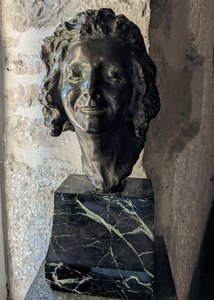
victor joseph demanet
1895 - 1964 , Belgium
Quick Facts
- Artistic Movement Or Style: Art Deco, Social Art
- Artists Who Influenced This Artist:
- Constantin Meunier
- Rodin
- Rude
- Carpeaux
- Date Of Birth: February 3, 1895
- Date Of Death: February 7, 1964
- Full Name: Victor Joseph Demanet
- Nationality: Belgian
- Notable Artworks:
- Luminary Petals series
- Hercules
- Olympic works
- Place Of Birth: Brussels, Belgium

