 Send
Send Share
Share
 Details

 Download
 Similars
 Diaporama
Zafir-Z


 Read More
Hand Made Oil Reproduction
Hand-painted oil on canvas in your size and frame, made to order by our artists. ( Buy Print Buy Image)




































Pick from our preset sizes that match the artwork's original proportions.

You may enter your own dimensions to fit a specific frame or space. If your selected size does not match the original image's proportions, we will either crop the artwork or extend the painting with additional hand-painted elements. A digital mockup will be sent for your approval before production begins.
Please note that the on-screen preview does not reflect the actual cropping or extension. Only the mockup will accurately show the final composition.
While custom sizes are available, we recommend selecting a dimension from the predefined list to preserve the original proportions.
After order, ArtsDot.com team will email client for instructions and provide a mockup preview
Worldwide Delivery () in 3/4 weeks instead of standard 5 weeks. (18 August). No compromise on quality.

Free Worldwide Express Shipping

High-Quality Linen Canvas

Full Shipping Insurance

Customs Tax Refund Guarantee

True Color Matching Guarantee

60-Day Return Policy (Defects Only)

100% Money-Back Guarantee

Bulk Discount Offer
 Glass option is only available in size under 110 CM

Zafir-Z
Reproduction Medium
Reproduction Size
-


Total Price
$ 263
Artwork Description
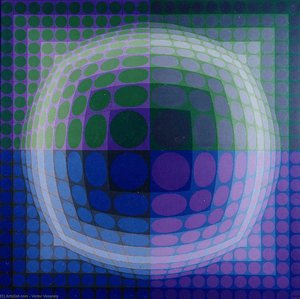
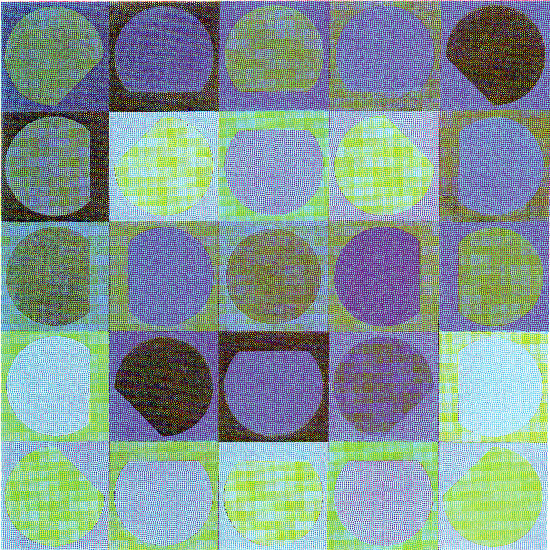
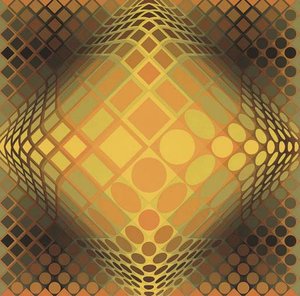
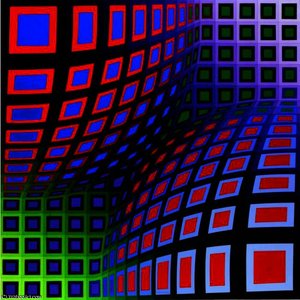
Victor Vasarely’s Zafir-Z: A Symphony of Geometric Illusion
Victor Vasarely's Zafir-Z, created in 1966, is more than just an abstract composition; it’s a meticulously crafted exploration of perception itself. Executed during the height of Op Art’s influence – a movement dedicated to stimulating visual responses through optical illusions – this piece embodies Vasarely's lifelong fascination with geometry and its power to manipulate our senses. Born Károly Vaszary in 1906 in Pécs, Croatia, Vasarely’s artistic trajectory began unexpectedly, initially driven by medical studies before he was captivated by the burgeoning world of visual art. His formative years at the Podolini-Volkmann Academy and, crucially, Sándor Bortnyik's Műhely workshop – a breeding ground for Bauhaus principles – laid the foundation for his groundbreaking approach to abstraction. Zafir-Z stands as a testament to this rigorous training, showcasing a masterful command of color, shape, and spatial illusion.
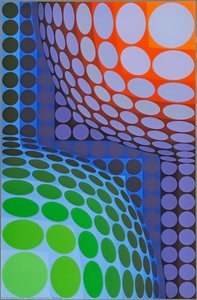
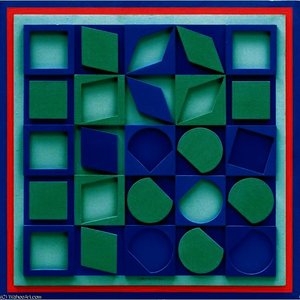
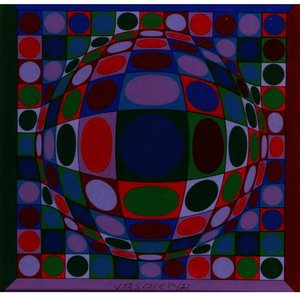
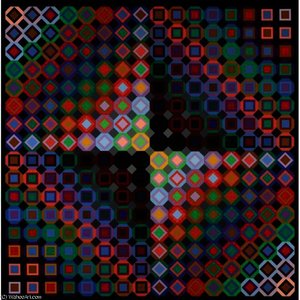
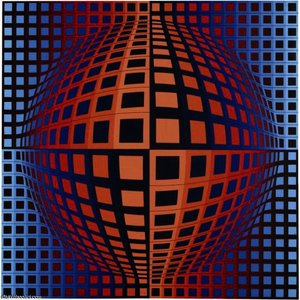
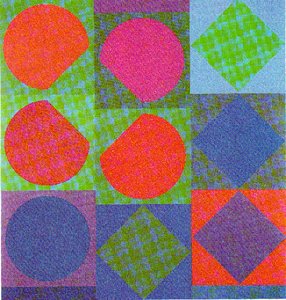
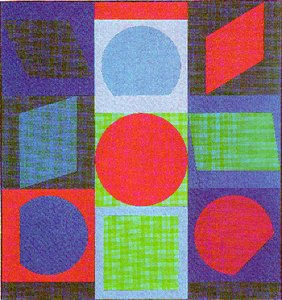
- Subject Matter: The artwork presents a dynamic interplay of circles and squares arranged in a grid-like pattern, devoid of representational imagery. This deliberate absence forces the viewer to engage with the work on purely formal terms – focusing on color, shape, and their relationship to one another.
- Style & Technique: Rooted firmly within Op Art, Zafir-Z utilizes a technique that deliberately exploits optical illusions. The precise arrangement of shapes, combined with carefully chosen cool tones—blues, greens, and grays—creates a sense of movement and depth that seems to shift as the viewer’s eye travels across the canvas. The digital rendering effect, likely derived from an original painting or drawing, adds a contemporary layer to Vasarely's classic style.
Decoding the Geometry: Symbolism and Intent
While seemingly simple in its arrangement, Zafir-Z is rich with symbolic meaning. The repetition of geometric forms – circles and squares – evokes notions of order, structure, and even infinity. Vasarely was deeply interested in exploring how these fundamental shapes could be used to create a sense of dynamism and movement within a static image. The subtle variations in size and position of the shapes contribute to this effect, generating a visual tension that keeps the eye engaged. The inclusion of muted yellows and browns provides a grounding element, preventing the composition from feeling overly sterile or detached. It’s important to note that Vasarely intentionally avoided overt symbolism, believing that the viewer should derive their own interpretations from the work's formal qualities.
Historical Context & Op Art’s Influence
Zafir-Z was created in 1966, a pivotal year for Op Art. This movement, spearheaded by artists like Vasarely and Bridget Riley, emerged as a reaction against the prevailing trends of representational art. Op Artists sought to create works that would directly stimulate the viewer’s visual system, challenging traditional notions of perception and representation. The popularity of Op Art reflected a broader cultural fascination with technology and its impact on human experience – particularly the increasing prevalence of digital displays and moving images. Vasarely's work was instrumental in establishing Op Art as a legitimate artistic movement, influencing generations of artists to come.
Emotional Impact & Artistic Value
Despite its intellectual rigor, Zafir-Z possesses a remarkable emotional impact. The carefully calibrated color palette and dynamic composition evoke feelings of both excitement and tranquility. The piece’s inherent tension – the juxtaposition of order and randomness – creates a visually stimulating experience that invites contemplation. As a significant work by one of the pioneers of Op Art, Zafir-Z represents a crucial moment in the history of modern art. A hand-painted reproduction offers an unparalleled opportunity to appreciate Vasarely’s genius and bring this captivating artwork into your home or office.
Artist Biography
A Life Forged in Geometry: The World of Victor Vasarely
Born Károly Vaszary in 1906 in Pécs, a city then nestled within Austria-Hungary (now Croatia), Victor Vasarely’s journey to becoming a pioneer of Op Art and kinetic art was anything but predetermined. His early life hinted at a path far removed from the canvas; he initially pursued medical studies at Eötvös Loránd University in Budapest. However, the allure of visual expression proved too strong, leading him to abandon medicine for the world of painting in 1927, enrolling at the Podolini-Volkmann Academy. This decision marked not merely a change in vocation but the beginning of a lifelong exploration into the fundamental principles governing perception and form. A pivotal moment arrived with his enrollment in Sándor Bortnyik’s workshop – Műhely – a school deeply influenced by the Bauhaus movement. Here, Vasarely absorbed the tenets of functional design and geometric abstraction, seeds that would blossom into his signature style. These formative years weren't simply about acquiring technique; they were about dismantling traditional artistic conventions and embracing a new visual language rooted in logic and precision.
From Early Abstraction to the Dawn of Op Art
The late 1920s and early 1930s witnessed Vasarely’s gradual departure from representational art, as he delved deeper into the realm of geometric abstraction. Works like “Blue Study” and “Green Study,” created in 1929, exemplify this transition – a deliberate shedding of narrative content in favor of pure form and color relationships. While influenced by masters such as Piet Mondrian and Kazimir Malevich, Vasarely wasn’t content to simply emulate their styles. He sought to transcend the static compositions of his predecessors, aiming for a dynamism that would actively engage the viewer's perception. This quest led him to Paris in 1930, where he established himself as a graphic designer and advertising artist, honing his skills while continuing to develop his unique artistic vision. It was during this period that he began experimenting with techniques that would later become hallmarks of Op Art – manipulating shapes and colors to create illusions of movement and depth. The seeds were sown for a revolution in visual experience.
The Systematic Illusion: Defining a Movement
By the 1960s, Victor Vasarely had fully emerged as a leading figure in the burgeoning Op Art movement. Unlike many artists who relied on intuition and spontaneous expression, Vasarely approached his work with a distinctly systematic methodology. He employed grids and mathematical principles to generate patterns that created powerful optical illusions – visual vibrations, swirling effects, and sensations of depth where none physically existed. This wasn’t about trickery; it was about revealing the inherent dynamism within perception itself. He believed in reproducibility and mass appeal, aiming to democratize art by making it accessible beyond the confines of galleries and museums. His work challenged viewers to question their own visual experience, forcing them to actively participate in the creation of meaning. This deliberate engagement with perception set Op Art apart and cemented Vasarely’s place at its forefront. He wasn't merely painting pictures; he was constructing experiences.
Beyond the Canvas: Kinetic Exploration and a Lasting Legacy
Vasarely’s artistic exploration didn’t stop at static illusions. He increasingly ventured into kinetic art, creating works that incorporated actual movement or appeared to move through carefully orchestrated visual effects. “Georges Pompidou” (1976), a large kinematic object installed at the Centre Pompidou in Paris, stands as a testament to this ambition – an integration of art with architecture and urban design on a grand scale. He also demonstrated remarkable innovation by applying his designs to commercial products, most notably through his collaboration with Rosenthal porcelain, resulting in the iconic “Suomi” tableware series. This willingness to blur the boundaries between fine art and functional objects further underscored his belief in art’s potential to permeate everyday life. The establishment of the Fondation Vasarely in Aix-en-Provence ensured the preservation and promotion of his extensive body of work, while a remarkable event – the inclusion of serigraphs aboard the French-Soviet spacecraft Salyut 7 in 1982 – symbolized the global recognition of his art and its connection to the broader human endeavor of exploration. Victor Vasarely’s legacy extends far beyond the realm of painting; he profoundly influenced graphic design, fashion, interior design, and even early computer graphics, inspiring generations with his innovative vision and unwavering commitment to exploring the possibilities of perception. He remains a pivotal figure in modern art history, a true visionary who dared to challenge our understanding of what art could be.
Historical Significance
Vasarely’s contribution to art history is multifaceted. He moved beyond traditional painting techniques to create works that actively engage the viewer’s perception. His systematic approach challenged conventional notions of artistic creativity and paved the way for computer-generated art and digital design. By embracing reproducibility and commercial applications, Vasarely blurred the boundaries between fine art and popular culture, leaving an enduring mark on both. He wasn't simply creating aesthetically pleasing objects; he was conducting visual experiments that revealed fundamental truths about how we see the world. His work continues to resonate today, reminding us of the power of abstraction, the beauty of geometry, and the endless possibilities of human creativity.
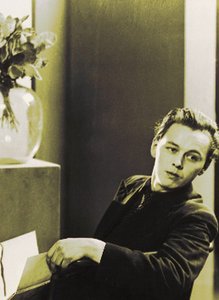
Victor Vasarely
1906 - 1997 , Croatia
Quick Facts
- Artistic Movement Or Style: Op Art, Kinetic Art
- Artists Or Movements Influenced By This Artist:
- Graphic design
- Interior design
- Artists Who Influenced This Artist:
- Piet Mondrian
- Kazimir Malevich
- Date Of Birth: April 9, 1906
- Date Of Death: March 15, 1997
- Full Name: Victor Vasarely
- Nationality: Hungarian-French
- Notable Artworks:
- Blue Study
- Green Study
- Zebra
- Suomi tableware
- Place Of Birth: Pécs, Croatia
Related Articles

Geometric Abstraction's 10 Defining Masterpieces | Art for Your Home - ArtsDot
Explore 10 defining masterpieces of Geometric Abstraction! Discover Kandinsky, Mondrian & Malevich’s iconic works. Find museum-quality art reproductions and curated decor ideas to elevate your home at ArtsDot.com.
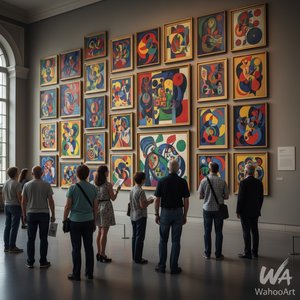
Kandinsky's Masterpieces: 25 Paintings That Define Abstract Art | ArtsDot
Journey through Wassily Kandinsky's 25 most iconic abstract paintings. Explore his revolutionary use of color, form & spiritual expressionism. Find museum-quality Kandinsky reproductions and elevate your home decor with ArtsDot.com. Discover all masterpieces on ArtsDot.com!
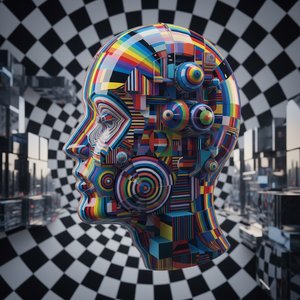
Victor Vasarely: Pioneering Op Art & Democratizing Visual Experience
Explore the revolutionary world of Victor Vasarely, father of Op Art. Discover his geometric masterpieces, artistic system, & lasting impact on modern design. A guide for discerning art collectors.
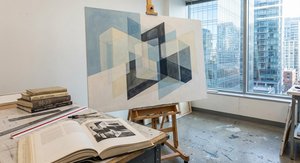
Beyond Form & Color: Geometric Abstraction's Enduring Legacy in Art History
Explore the captivating world of geometric abstraction! Discover its origins, key artists like Malevich & Mondrian, and why this movement remains highly valued by art collectors today. Expert insights at ArtsDot.
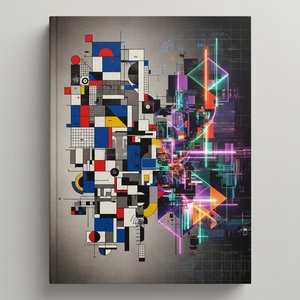
Beyond Form & Color: Geometric Abstraction's Evolution in 20th/21st Century Art
Explore the evolution of geometric abstraction from Cubism to contemporary art. Discover key artists like Malevich & Mondrian, investment insights, and expert collecting advice at ArtsDot.