

 Preview
 Send
Send Share
Share
 Details

 Download
 Similars
 X-Ray
X-Ray Diaporama
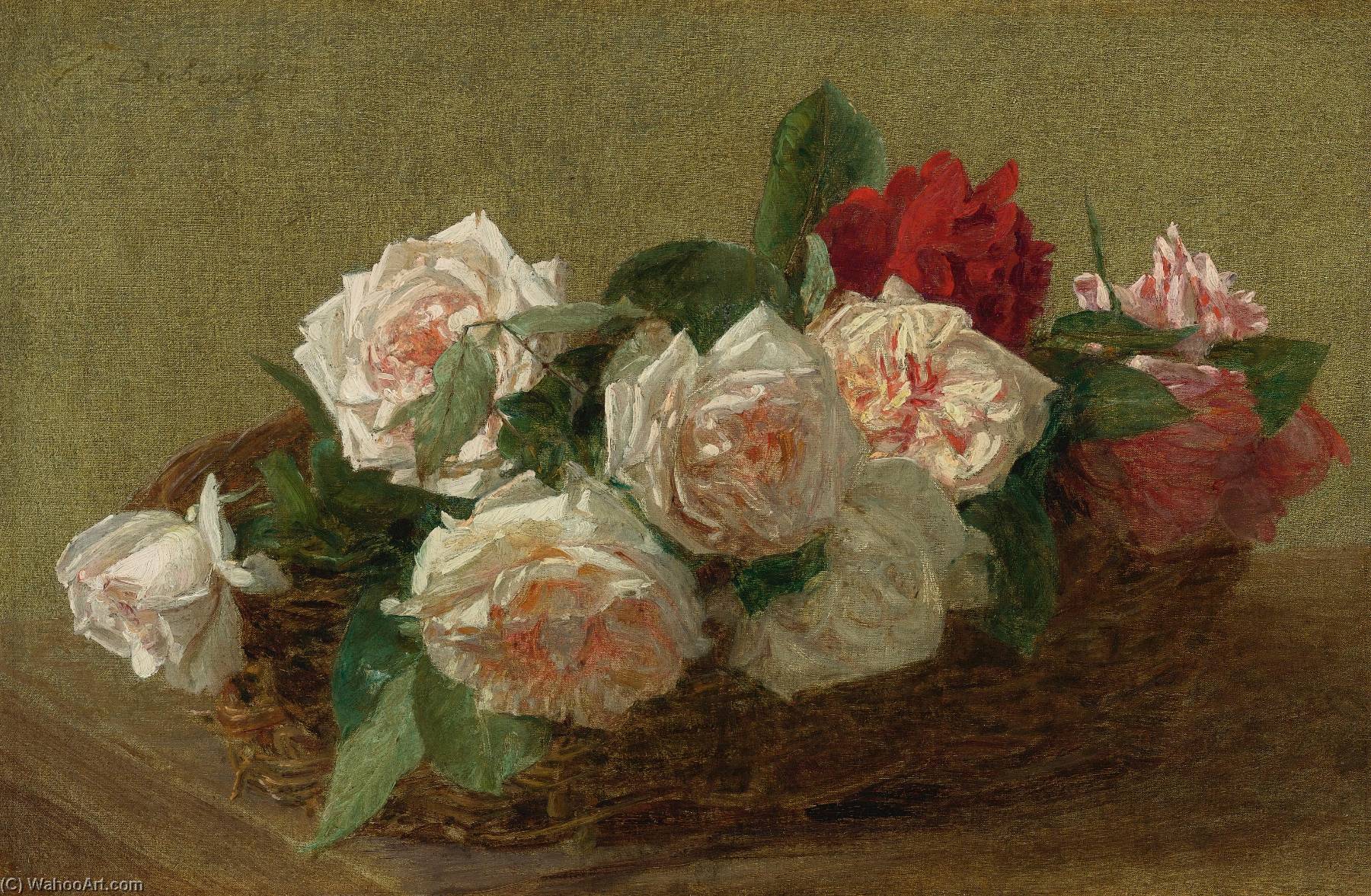
Panier de roses
 29.0 x 43.0 cm
 Read More
Purchase a high-resolution, enhanced digital image, far superior to the online preview.
Each file is meticulously prepared by our in-house specialists using advanced tools and expert manual retouching. We ensure every image has exceptional clarity, precise color accuracy, and fine detail.
The final file is delivered via email within 72 hours, optimized for immediate use in professional, editorial, and print environments. This is the same quality trusted by top-tier design studios, publishers, and galleries.
Digital Image
Download a high-resolution file for personal display, printing, and creative projects. ( Buy Print Buy Hand Made Painting)
Included in Every Digital Image Order
Expert Digital Delivery, Guaranteed
When you choose ArtsDot.com, you're not just getting an image - you're receiving a professionally enhanced digital artwork, crafted with precision and backed by a satisfaction guarantee. Here's everything that comes with your order, automatically:

Fast Email Delivery
Your high-resolution digital image file will be emailed to you within 72 hours of ordering - ready for immediate use.

AI-Enhanced Digital File
Your artwork is professionally optimized using advanced AI tools and manual editing, ensuring maximum detail, clarity, and color accuracy.

Free Lifetime Re-Delivery
Accidentally deleted or lost your file? No worries - we'll resend it to you anytime, free of charge.

No Import Fees - Ever
Enjoy your artwork instantly with zero customs, duties, or delivery fees - digital downloads are always tax-free.

Color Accuracy Guarantee
We ensure your digital image reflects the original colors as closely as possible using professional tools and color management.

60-Day Satisfaction Guarantee
If you're not satisfied with your digital image, we'll revise it or refund 100% within 60 days - no questions asked.

100% Money-Back Guarantee
Not satisfied? Get a full refund within 60 days of receiving your digital file - no questions asked.

Bulk Order Discounts
Buy 3 images, save 10% - Buy 5, save 15% - Buy 10+, save 20%. Great for creative projects, galleries, and agencies.
Related Artworks









Artist Biography
A Life Immersed in Blooms: Victoria Dubourg and the Belle Époque Canvas
Victoria Dubourg, later known as Victoria Fantin-Latour through marriage, was a French flower painter whose life unfolded amidst the vibrant cultural currents of 19th-century Paris. Born in 1840, she wasn’t merely a participant in the artistic blossoming of her era but an active cultivator of its delicate beauty. While often overshadowed by the fame of her husband, Henri Fantin-Latour, recent scholarship has illuminated Dubourg as a significant artist in her own right—a skilled painter who established herself before their collaboration and continued to produce works imbued with a unique sensibility. Her journey began not within the formal confines of art academies, which were largely closed to women at the time, but through private tutelage under Fanny Chéron, a respected artist who encouraged the meticulous study of Old Masters. This early training instilled in Dubourg a deep appreciation for technique and composition, evident in her initial copies of works by artists like Willem Kalf undertaken within the hallowed halls of the Louvre. It was there, amidst the masterpieces of centuries past, that she first encountered Henri Fantin-Latour, a meeting that would profoundly shape both their lives and artistic trajectories.Early Promise and Independent Path
Dubourg’s early work reveals an artist already possessing considerable talent. Before her marriage in 1876, she exhibited portraits at the prestigious Paris Salon, demonstrating her ability to capture likenesses with sensitivity and skill. Archival records show that she secured commissions from the Ministry of Fine Arts as early as 1866 for replicating significant paintings—a testament to her technical proficiency and recognition within artistic circles. These assignments weren’t simply exercises in imitation; they were opportunities to deeply engage with the works of renowned masters, absorbing their compositional strategies and color palettes. Her acceptance into the Salon eight times prior to her marriage underscores that she was not merely a student awaiting direction but an established painter navigating a competitive art world on her own merits. This period is crucial for understanding Dubourg’s artistic development—it reveals a woman actively forging her path, honing her skills, and establishing a reputation independent of any familial or marital connections. She wasn't simply preparing to collaborate; she was already a working artist with a distinct voice.Collaboration and Shared Vision
The marriage to Henri Fantin-Latour in 1876 marked the beginning of a remarkable artistic partnership. While often described as a collaboration, it’s more accurate to view their relationship as one of mutual influence and shared aesthetic sensibilities. Fantin-Latour was renowned for his still lifes, particularly those featuring lush floral arrangements, and Dubourg seamlessly integrated into this realm. They frequently worked side-by-side, contributing to compositions that blended their individual styles. However, it’s important to note that Dubourg continued to produce works under her own name, signing them simply as “V Dubourg.” These paintings—often intimate studies of flowers and fruits—reveal a subtle yet distinct artistic personality. Her brushwork tended towards a softer, more supple quality than Fantin-Latour's, with a focus on the interplay of light and shadow and a harmonious use of color. The couple’s shared studio became a haven for creativity, attracting a circle of artists and writers who appreciated their refined aesthetic vision.A Legacy Beyond Collaboration: Style and Historical Context
Dubourg’s paintings are often characterized by a quiet elegance and a delicate sensitivity to the natural world. While she embraced the fashionable styles of the Belle Époque period, her work also reveals a connection to earlier traditions—particularly those of Jean-Baptiste-Siméon Chardin, whose emphasis on realism and subtle observation resonated with her artistic sensibilities. She skillfully balanced detail with atmosphere, creating compositions that are both visually appealing and emotionally evocative. Her paintings weren’t simply representations of flowers; they were explorations of light, color, and form—studies in harmony and balance. She was a member of the Royal Academy from 1882 to 1896, receiving an Honour Mention in 1894 for *“Oeillets dans un vase”* and a third medal in 1895 for *“Panier de fleurs.”* Her inclusion in the 1905 book *Women Painters of the World* further cemented her position within the artistic landscape. Beyond her technical skill, Dubourg was known for her intellectual curiosity and her passion for music—she was a talented pianist who championed contemporary German composers like Wagner and Brahms. This appreciation for other art forms undoubtedly informed her paintings, contributing to their sophisticated aesthetic sensibility.Rediscovering Victoria: A Lasting Impression
Victoria Fantin-Latour’s legacy extends beyond the beautiful still lifes she created. Her story serves as a reminder of the many talented women artists who were overlooked or overshadowed by their male counterparts in the 19th century. Recent scholarship has begun to redress this imbalance, recognizing Dubourg as an artist with a distinct voice and significant contributions to the Belle Époque art world. Her paintings offer a glimpse into a refined aesthetic sensibility—a celebration of beauty, harmony, and the delicate wonders of nature. She was part of the circle of painters that included Édouard Manet, Berthe Morisot, and Edgar Degas, who painted her portrait in 1868/69. As we continue to explore the rich tapestry of art history, Victoria Dubourg’s work deserves greater recognition—a testament to a life immersed in blooms and a lasting impression on the canvas of time.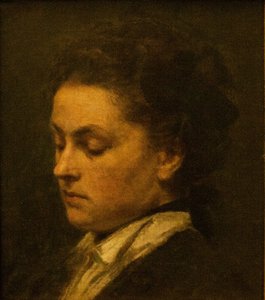
victoria fantin latour née dubourg
1840 - 1926
Quick Facts
- Artistic Movement Or Style: Impressionism, Belle Époque
- Artists Or Movements Influenced By This Artist: Henri Fantin-Latour
- Artists Who Influenced This Artist:
- Willem Kalf
- Fanny Chéron
- Edouard Manet
- Date Of Birth: 1840
- Date Of Death: 1926
- Full Name: Victoria Fantin-Latour
- Nationality: French
- Notable Artworks:
- A Basket of Flowers
- Chrysanthemums
- Still Life with Stock
- Place Of Birth: Paris, France

