 Preview
 Send
Send Share
Share
 Details

 Download
 Similars
 X-Ray
X-Ray Diaporama
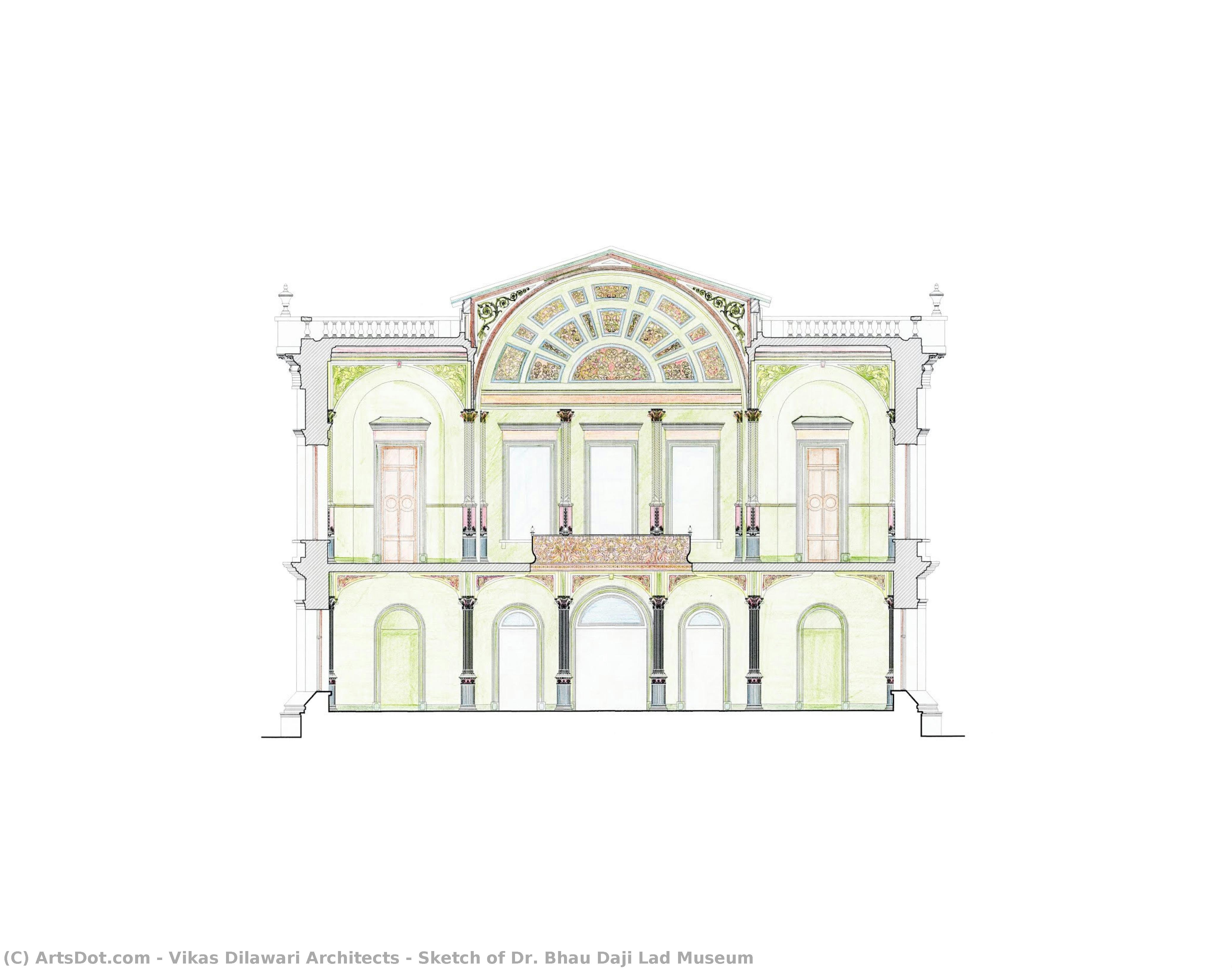
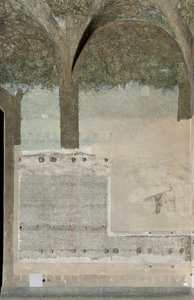
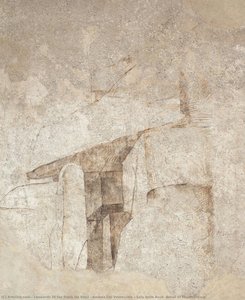
Sketch of Dr. Bhau Daji Lad Museum


 Read More
Giclée / Art Print
Museum-quality giclée or canvas print with fast production and flexible finish options. ( Buy Hand Made Painting Buy Image)




































Pick from our preset sizes that match the artwork's original proportions.

You may enter your own dimensions to fit a specific frame or space. If your selected size does not match the original image's proportions, we will either crop the artwork or extend the image with a mirrored or solid-fill edge. A digital mockup will be sent for your approval before production begins.
Please note that the on-screen preview does not reflect the actual cropping or extension. Only the mockup will accurately show the final composition.
While custom sizes are available, we recommend selecting a dimension from the predefined list to preserve the original proportions.
Worldwide Delivery () in 2 weeks instead of standard 4/5 weeks. (27 August)

Free Worldwide Express Shipping

High-Quality Linen Canvas

Full Shipping Insurance

Customs Tax Refund Guarantee

True Color Matching Guarantee

60-Day Return Policy (Defects Only)

100% Money-Back Guarantee

Bulk Discount Offer
 Glass option is only available in size under 110 CM

Sketch of Dr. Bhau Daji Lad Museum
Giclée / Art Print
Reproduction Size
-


Total Price
$ 63
Collectible Description
Related Artworks

Artist Biography
A Legacy Etched in Stone: The Life and Work of Vikas Dilawari
Vikas Dilawari, born in Mumbai in 1964, is more than an architect; he is a custodian of memory, a meticulous restorer breathing life back into the historic heart of India’s most vibrant city. His journey began not with a fervent passion for buildings themselves, but rather a youthful ambition to practice medicine. Fate, however, had other plans, leading him to L S Raheja School of Architecture and ultimately setting him on a path dedicated to preserving the architectural tapestry of Mumbai. This unexpected turn proved pivotal, shaping a career defined by reverence for the past and a commitment to sustainable conservation practices. Dilawari’s early exposure to the work of Ved Segan, a pioneer in Indian architectural conservation, ignited his passion. Working alongside Segan on projects like the restoration of Shimla's Gaiety Theatre instilled in him a deep understanding of the delicate balance between historical accuracy and contemporary needs.Formative Years and Academic Pursuits
Dilawari’s academic foundation further solidified his dedication to preservation. A master’s degree from the School of Planning and Architecture, New Delhi, provided a theoretical framework for his burgeoning practice. However, it was a fellowship in conservation studies at the University of York, England, that truly broadened his perspective. This experience exposed him to international best practices and reinforced the importance of holistic approaches to heritage management – considering not just the physical structure but also its social, cultural, and economic context. Returning to India in 1990, Dilawari found himself at a crucial juncture. The city was on the cusp of enacting landmark heritage conservation regulations, making Mumbai the first Indian city to formally protect its architectural legacy. This opportune moment allowed him to establish Vikas Dilawari Associates in 1995, poised to become a leading force in the field.Restoring Icons: A Portfolio of Preservation
The early projects undertaken by Dilawari’s firm were ambitious and set the tone for his future endeavors. The restoration of the Army and Navy Building in Kala Ghoda, designed by Frederick William Stevens, was a significant undertaking that showcased his meticulous attention to detail and commitment to authentic materials. This success paved the way for even more challenging commissions, including the monumental task of restoring the Rajabai Clock Tower in 2000 – a UNESCO World Heritage Site designed by George Gilbert Scott. Dilawari’s approach is not merely about repairing structures; it's about understanding their original intent and recreating the spirit of the past. He champions traditional techniques, employing skilled artisans and prioritizing locally sourced materials whenever possible. More recent projects, such as the restoration of Mulji Jetha Fountain, Bomanjee Hormarjee Wadia Clock Tower, and Wellington Fountain (often in collaboration with INTACH and the Kala Ghoda Association), demonstrate his continued dedication to revitalizing Mumbai’s public spaces.A Champion of Cultural Identity
What sets Dilawari apart is his unwavering belief that conservation is not simply an aesthetic exercise but a vital component of cultural identity. He views each restoration project as an opportunity to reconnect communities with their heritage, fostering a sense of belonging and pride. This philosophy has earned him widespread recognition, including an impressive 16 UNESCO Asia-Pacific Awards for Cultural Heritage Conservation – a testament to the quality and impact of his work. The 2019 award for the Flora Fountain restoration, designed by Richard Norman Shaw, is particularly noteworthy, highlighting his ability to breathe new life into even the most iconic landmarks. Dilawari’s influence extends beyond individual projects; he has served as Head of Department in Conservation at KRVIA, Mumbai, nurturing a new generation of conservation architects and advocating for responsible heritage management practices.The Enduring Significance
Vikas Dilawari's legacy is etched not just in stone and mortar but also in the renewed appreciation for Mumbai’s architectural treasures. He has transformed the landscape of heritage preservation in India, moving beyond mere restoration to embrace a holistic approach that prioritizes cultural context, community engagement, and sustainable practices. His work serves as a powerful reminder that preserving the past is essential not only for honoring our history but also for shaping a more vibrant and meaningful future. He stands as an inspiring example of how architecture can be a force for social good, connecting us to our roots and fostering a deeper understanding of who we are.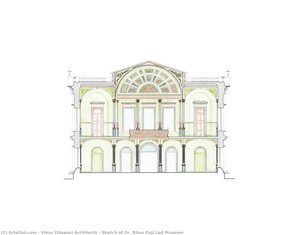
vikas dilawari architects
1964 - , India
Quick Facts
- Artistic Movement Or Style: Conservation Architecture
- Artists Who Influenced This Artist: ['Ved Segan']
- Date Of Birth: 1964
- Full Name: Vikas Dilawari
- Nationality: Indian
- Notable Artworks:
- Dr. Bhau Daji Lad Museum
- Rajabai Clock Tower
- Army and Navy Building
- Flora Fountain
- Wellington Fountain
- Place Of Birth: Mumbai, India