 Preview
 Send
Send Share
Share
 Details

 Download
 Similars
 X-Ray
X-Ray Diaporama
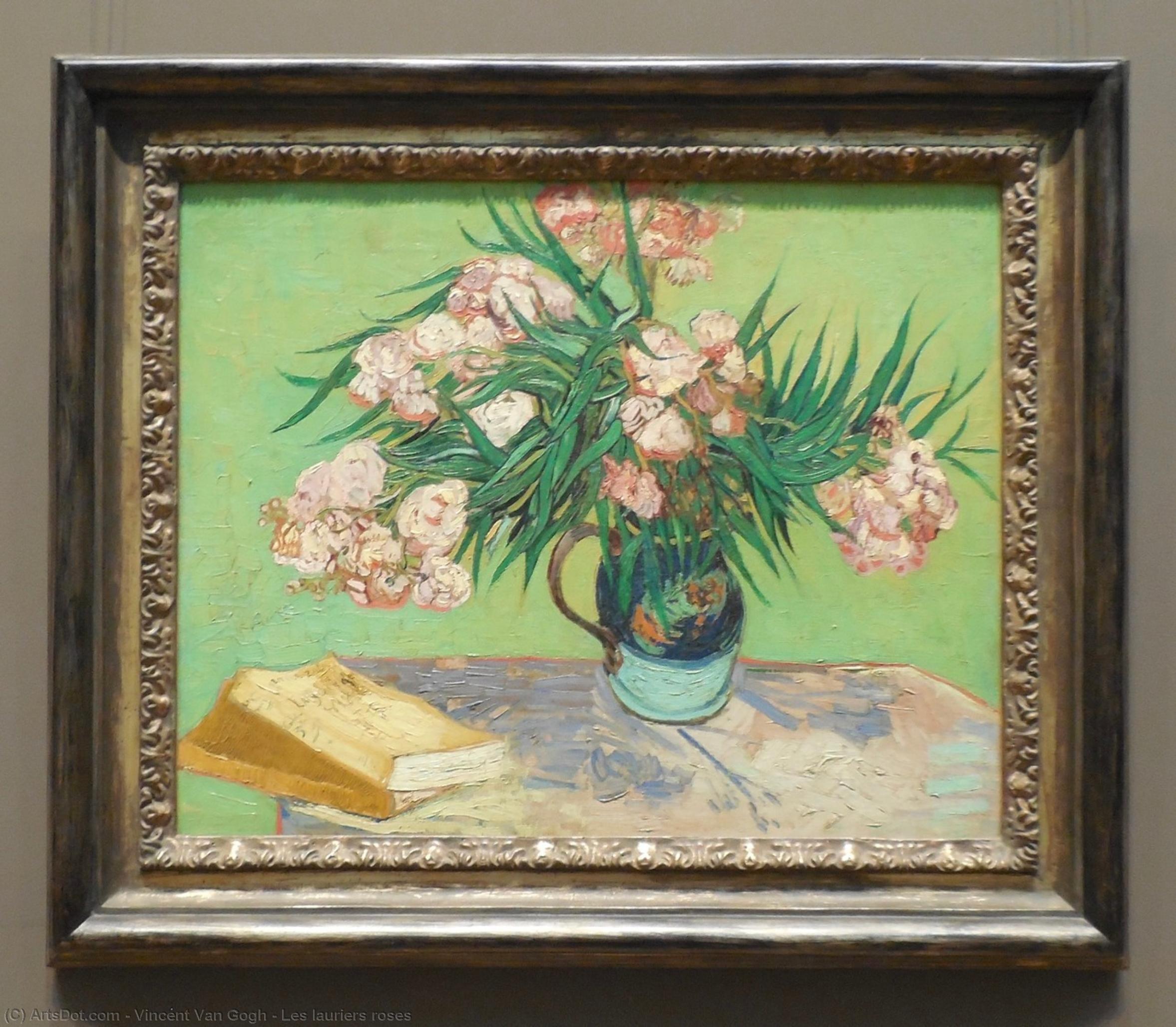
Les lauriers roses

 Read More
Hand Made Oil Reproduction
Hand-painted oil on canvas in your size and frame, made to order by our artists. ( Buy Print Buy Image)




P118B $10

P118H $10

P118W $10

P438Z $10

P508JH $12

P508YH $12

P805H $10

P805Z $10

P919BZ $10

P919G $10

P919XJ $10

P959ZH $10

P968JZ $12

W106C $8

W218G $10

W218JH $8

W218Y $10

W307PJ $10

W316G $10

W316PJ $8

W316Y $10

W398PJ $8

W4111J $10

W500HY $15

W500JH $15

W692G $12

W849H $8

W940BG $15

W953PJ $8




Pick from our preset sizes that match the artwork's original proportions.

You may enter your own dimensions to fit a specific frame or space. If your selected size does not match the original image's proportions, we will either crop the artwork or extend the painting with additional hand-painted elements. A digital mockup will be sent for your approval before production begins.
Please note that the on-screen preview does not reflect the actual cropping or extension. Only the mockup will accurately show the final composition.
While custom sizes are available, we recommend selecting a dimension from the predefined list to preserve the original proportions.
After order, ArtsDot.com team will email client for instructions and provide a mockup preview
Worldwide Delivery () in 3/4 weeks instead of standard 5 weeks. (17 August). No compromise on quality.

Free Worldwide Express Shipping

High-Quality Linen Canvas

Full Shipping Insurance

Customs Tax Refund Guarantee

True Color Matching Guarantee

60-Day Return Policy (Defects Only)

100% Money-Back Guarantee

Bulk Discount Offer
 Glass option is only available in size under 110 CM

Les lauriers roses
Reproduction Medium
Reproduction Size
-


Total Price
$ 263
Artwork Description
Les lauriers roses: A Still Life Reflecting Inner Turmoil and Artistic Brilliance
Vincent Willem van Gogh’s “Les lauriers roses” – translating to “Roses of Laurel” – is more than just a depiction of flowers; it's a poignant snapshot of an artist grappling with profound emotions, meticulously rendered in his signature Post-Impressionist style. Painted circa 1890 during his stay at Saint-Rémy Hospital, where he voluntarily sought refuge from mental instability following a debilitating episode of psychosis, this artwork offers a glimpse into the artist’s psychological landscape alongside a masterful display of artistic skill. The painting captures a vase brimming with delicate pink roses and verdant foliage against a muted yellow tablecloth—a seemingly simple composition that belies its complex significance.Style and Technique: Bold Impressionism Rooted in Emotion
Van Gogh's technique is instantly recognizable – thick, impasto brushstrokes dominate the canvas, creating palpable texture and conveying an overwhelming sense of movement. Unlike the smooth surfaces favored by Impressionists like Monet, Van Gogh deliberately applied paint thickly, layering it onto the surface to build up volume and capture the vibrancy of color. The bold use of pigment isn’t merely decorative; it's expressive, mirroring the artist’s turbulent inner state. Each brushstroke pulsates with energy, reflecting his passionate engagement with the subject matter and channeling his emotional turmoil onto the canvas. This technique is particularly evident in the rendering of the roses themselves – their petals appear to shimmer with light, achieved through careful manipulation of color and texture.Historical Context: Seeking Solitude Amidst Artistic Expression
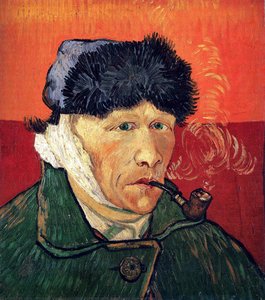
“Les lauriers roses” was created during a pivotal period in Van Gogh’s life—a time marked by intense psychological struggle and artistic breakthrough simultaneously. Following his infamous self-portrait episode in Arles, where he mutilated his ear after a confrontation with Paul Gauguin, Van Gogh voluntarily admitted himself to Saint Rémy Hospital under the care of Dr. Paul Gachet. Despite the challenges posed by his illness, he continued to paint prolifically, driven by an unwavering desire to transform his experiences into art. The choice of subject matter—flowers—is significant in this context. Roses symbolize beauty, remembrance, and devotion – themes that resonated deeply with Van Gogh’s spiritual convictions and served as a conduit for expressing his yearning for peace and tranquility amidst the chaos of his mind.Symbolism: Beyond Beauty - An Embodiment of Inner Reflection
The inclusion of a piece of cheese—a commonplace item—adds an unexpected layer of symbolism to the painting. Often interpreted as representing earthly pleasures and material comforts, it contrasts sharply with the ethereal beauty of the roses, prompting contemplation on the relationship between inner turmoil and external appearances. Some scholars suggest that the cheese symbolizes Van Gogh’s preoccupation with everyday life and his desire to reconnect with tangible realities after experiencing periods of detachment from the world around him. Furthermore, the vase itself—a traditional symbol of domesticity and nurturing—could represent Van Gogh's longing for stability and connection during his convalescence.Emotional Impact: Capturing Vulnerability and Artistic Intensity
Ultimately, “Les lauriers roses” transcends its visual description to convey a profound emotional resonance. The painting captures the vulnerability inherent in artistic expression – the artist’s willingness to confront his demons while simultaneously striving to create something beautiful. It speaks to the enduring power of art as a means of processing trauma and transforming suffering into inspiration. Viewing this artwork evokes feelings of melancholy, contemplation, and admiration for Van Gogh's unwavering dedication to his craft—a testament to his ability to distill complex emotions into a deceptively simple visual form. Its textured surface invites viewers to linger on its details, prompting reflection on the artist’s inner world and the enduring beauty of his artistic vision.Related Artworks
Artist Biography
A Life Painted in Passion: Vincent van Gogh
Vincent Willem van Gogh, a name synonymous with vibrant color and raw emotion, remains one of the most recognizable and beloved figures in art history. Born on March 30, 1853, in Zundert, Netherlands, his journey from a troubled young man seeking purpose to an artistic visionary is a poignant tale of dedication, struggle, and ultimately, enduring legacy. While he achieved little commercial success during his lifetime – selling only one painting, *The Red Vineyard*, before his death – Van Gogh’s impact on modern art is immeasurable, paving the way for Expressionism and influencing countless artists who followed. His story isn't just about brushstrokes and canvases; it's a testament to the power of human expression in the face of adversity.
Early Years and Artistic Awakening
Van Gogh’s early life was marked by a series of unfulfilled aspirations. He tried his hand at various professions – an art dealer, a teacher, and even a missionary – before finally dedicating himself to painting at the relatively late age of 27. These earlier experiences profoundly shaped his worldview and found their way into his art. His initial works, depicting scenes of peasant life in rural Belgium, reflect a deep empathy for the working class and a somber palette reflecting their hardships. Influenced by artists like Jean-François Millet, Van Gogh sought to capture the dignity and resilience of these individuals through stark realism. However, it was his move to Paris in 1886 that proved transformative. There, he encountered Impressionism and Post-Impressionism, absorbing the techniques of masters like Monet, Renoir, and Pissarro. This exposure broadened his artistic horizons, leading him to experiment with brighter colors and looser brushwork, though retaining a distinct emotional intensity absent in many of his contemporaries. His brother Theo, an art dealer, played a crucial role during this period, providing financial support and acting as a vital link to the Parisian art world. Their extensive correspondence offers invaluable insights into Van Gogh’s artistic development and personal struggles.
The Southern Light and Explosive Creativity
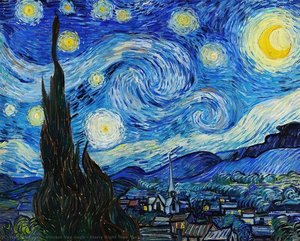
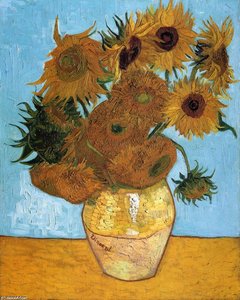
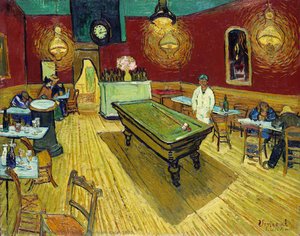
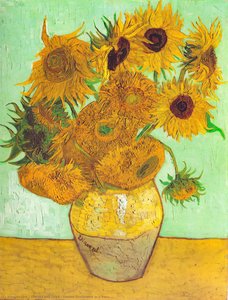
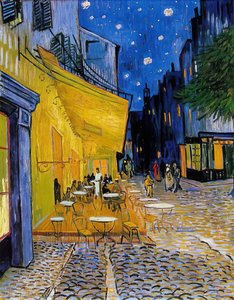
Seeking a more vibrant landscape and a sense of renewal, Van Gogh relocated to Arles in southern France in 1888. This move marked a period of intense creative output, characterized by an explosion of color and a distinctive impasto technique – applying paint thickly onto the canvas, creating a textured surface that seems to pulsate with energy. It was here that he produced some of his most iconic works: *Sunflowers*, *The Night Cafe*, and *Starry Night*. The intense sunlight of Provence seemed to ignite his imagination, leading him to depict landscapes and still lifes with an unprecedented vibrancy. His desire for artistic collaboration led him to invite Paul Gauguin to join him in Arles, hoping to establish a utopian artists' colony. However, their relationship proved volatile, culminating in a dramatic confrontation that resulted in Van Gogh mutilating his own ear. This event underscored the fragility of his mental state and marked the beginning of a period of institutionalization and increasing psychological distress.
Later Years and Enduring Legacy
Following his breakdown, Van Gogh voluntarily entered an asylum at Saint-Rémy, where he continued to paint prolifically, capturing the surrounding landscapes with both beauty and turmoil. Works like *The Starry Night*, painted during this time, are imbued with a sense of cosmic wonder and profound emotional depth. He later moved to Auvers-sur-Oise under the care of Dr. Paul Gachet, but his struggles persisted. On July 29, 1890, at the age of 37, Van Gogh tragically died from a self-inflicted gunshot wound. Despite achieving little recognition during his lifetime, his work began to gain posthumous acclaim thanks largely to the tireless efforts of his sister-in-law, Johanna van Gogh-Bonger, who inherited his estate and dedicated herself to promoting his art. Today, Van Gogh’s paintings are celebrated worldwide for their emotional intensity, innovative techniques, and enduring beauty. His legacy extends far beyond the canvas; he has become a symbol of artistic passion, perseverance in the face of adversity, and the power of art to express the deepest human emotions.
Key Influences and Artistic Development
- Early Realism: Jean-François Millet’s depictions of peasant life influenced Van Gogh's early works.
- Impressionism & Post-Impressionism: Exposure to Monet, Renoir, Pissarro and others in Paris broadened his palette and technique.
- Japanese Prints: Van Gogh was deeply influenced by Japanese woodblock prints, which he collected avidly. Their bold compositions and flat planes of color impacted his own style.
- Emotional Expression: Above all, Van Gogh sought to convey emotion through his art, prioritizing subjective experience over objective representation. This focus on emotional intensity became a defining characteristic of his work and paved the way for Expressionism.
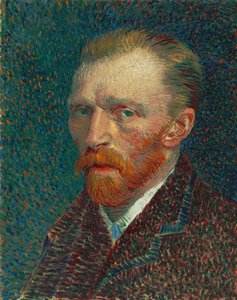
vincent willem van gogh
1853 - 1890 , Netherlands
Quick Facts
- Artistic Movement Or Style: Post-Impressionism
- Artists Or Movements Influenced By This Artist:
- Expressionism
- Fauvism
- Artists Who Influenced This Artist:
- Rembrandt van Rijn
- Jean-François Millet
- Date Of Birth: March 30, 1853
- Date Of Death: July 29, 1890
- Full Name: Vincent Willem van Gogh
- Nationality: Dutch
- Notable Artworks:
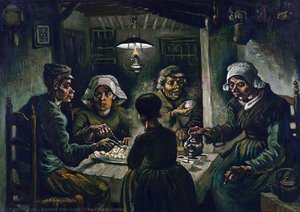
- The Potato Eaters
- Sunflowers
- Starry Night
- The Night Café
- Place Of Birth: Zundert, Netherlands
Related Articles
Van Gogh's Masterpieces: Explore 25 Iconic Paintings & Art for Your Home
Journey through Vincent van Gogh's 25 most iconic paintings! Explore 'Starry Night', 'Sunflowers,' and more—discover the stories, techniques & emotions behind these Post-Impressionist masterpieces. Find museum-quality art reproductions for your home at ArtsDot.com.
Decoding Van Gogh's Turmoil: ArtsDot’s Masterful Reproductions of Emotional Depth
Discover exquisite Van Gogh reproductions from ArtsDot – expert art specialists offering museum-quality prints & custom paintings. Trust our authentic process and elevate your collection today.

Post-Impressionism's 10 Defining Masterpieces: Art for Your Home |
Journey through Post-Impressionism's 10 defining masterpieces – Van Gogh, Monet & more. Explore iconic paintings, art history & find museum-quality reproductions for your home at . Discover all masterpieces online!
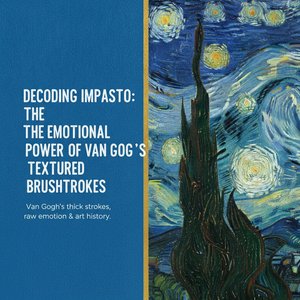
Decoding Impasto: The Emotional Power of Van Gogh's Textured Brushstrokes
Explore the visceral beauty of Van Gogh's impasto technique. Discover how his thick, textured brushstrokes transform canvas into an emotional landscape, and learn how to bring this tactile masterpiece into your home with premium, hand-painted reproductions.

Rembrandt's Masterpieces: Explore 25 Iconic Paintings & Prints | ArtsDot
Journey through Rembrandt van Rijn's 25 most iconic paintings & etchings. Explore Dutch Golden Age masterpieces, dramatic chiaroscuro, and timeless portraits. Find museum-quality art reproductions to elevate your home decor on ArtsDot.com.
![Irises [1889]](/media/artworks/images/thumbnails/17/b6/17b64e9e1ede40baae0afe5972aa8de0.jpg)