

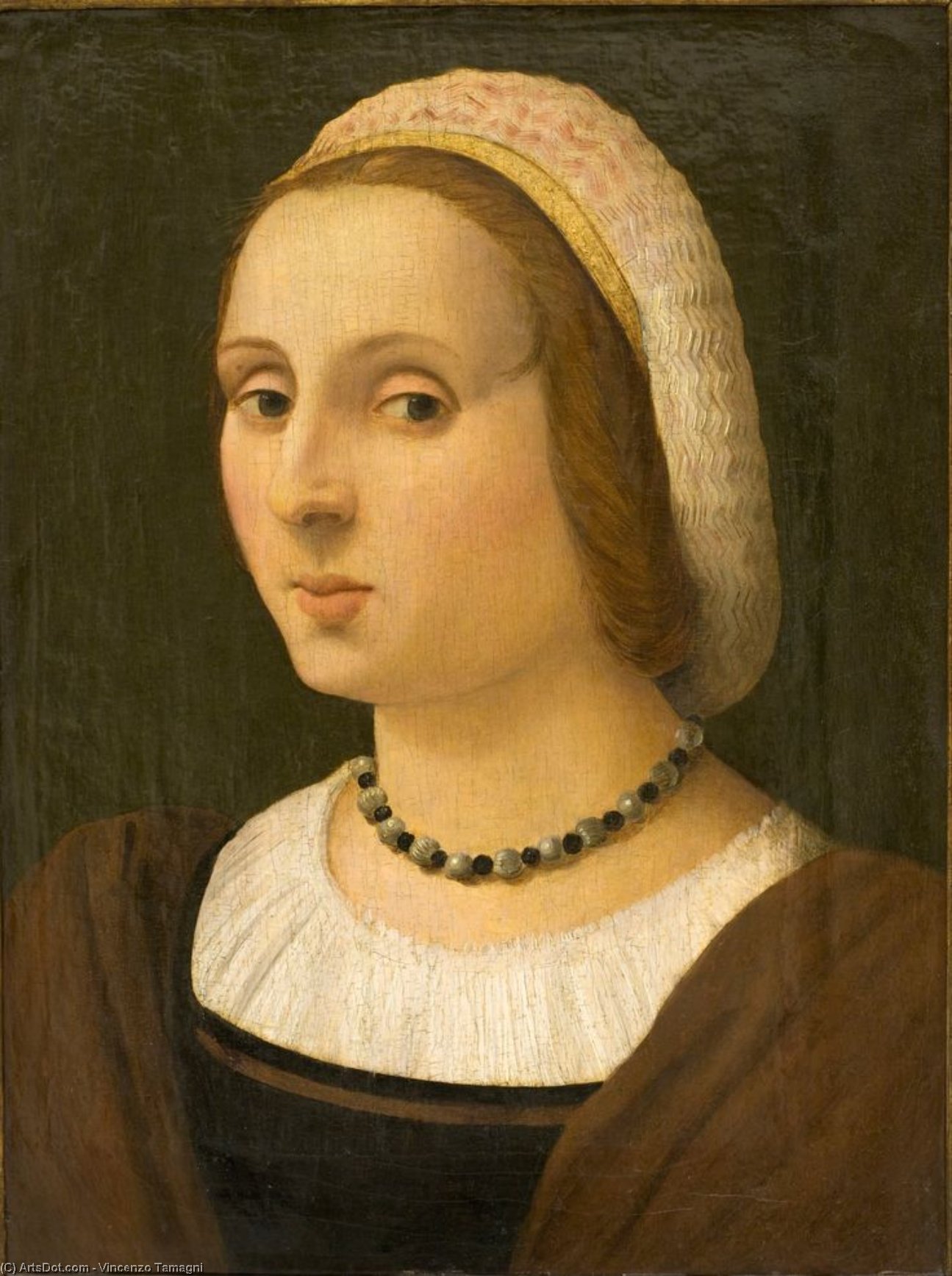
 Preview
 Send
Send Share
Share
 Details

 Download
 Similars
 X-Ray
X-Ray Diaporama
(39 x 29 CM) (1523)
 Read More
Hand Made Oil Reproduction
Hand-painted oil on canvas in your size and frame, made to order by our artists. ( Buy Print Buy Image)




































Pick from our preset sizes that match the artwork's original proportions.

You may enter your own dimensions to fit a specific frame or space. If your selected size does not match the original image's proportions, we will either crop the artwork or extend the painting with additional hand-painted elements. A digital mockup will be sent for your approval before production begins.
Please note that the on-screen preview does not reflect the actual cropping or extension. Only the mockup will accurately show the final composition.
While custom sizes are available, we recommend selecting a dimension from the predefined list to preserve the original proportions.
After order, ArtsDot.com team will email client for instructions and provide a mockup preview
Worldwide Delivery () in 3/4 weeks instead of standard 5 weeks. (21 August). No compromise on quality.

Free Worldwide Express Shipping

High-Quality Linen Canvas

Full Shipping Insurance

Customs Tax Refund Guarantee

True Color Matching Guarantee

60-Day Return Policy (Defects Only)

100% Money-Back Guarantee

Bulk Discount Offer
 Glass option is only available in size under 110 CM

(39 x 29 CM) (1523)
Reproduction Medium
Reproduction Size
-


Total Price
$ 263
Related Artworks

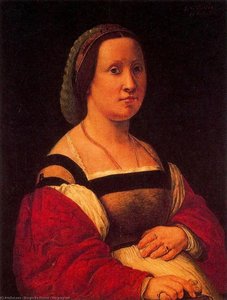
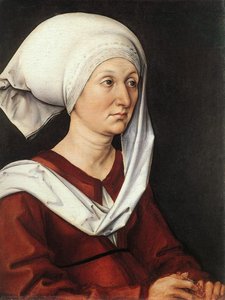
Artist Biography
Vincenzo Tamagni: A Florentine Renaissance Painter of Subtle Grace
Vincenzo Tamagni, a name perhaps less celebrated than his contemporaries in the bustling workshops of Florence and Rome, nevertheless represents a significant voice within the Italian Renaissance. Born in San Gimignano around 1492 and tragically passing away in 1530, Tamagni’s artistic journey was marked by a quiet dedication to detail, a masterful understanding of fresco technique, and an ability to imbue his works with a delicate grace that belies the turbulent era in which he lived. His legacy is primarily found within the walls of Tuscan monasteries and churches, offering intimate glimpses into a world of faith, piety, and artistic refinement.
Tamagni’s early training unfolded under the tutelage of Il Sodoma at Monte Oliveto Maggiore, a renowned center for Renaissance art. This formative period instilled in him a deep appreciation for the expressive power of color and the dynamic composition favored by his mentor. However, Tamagni quickly distinguished himself through a more restrained approach, prioritizing clarity of form and subtle tonal variations – a characteristic that would become a hallmark of his style. Following Sodoma’s influence, he spent time working in the Vatican Loggie alongside Raphael, absorbing the master's innovative techniques and understanding of perspective. This experience is vividly documented by surviving drawings meticulously capturing the intricate details of Raphael’s frescoes, demonstrating Tamagni’s keen observational skills and commitment to faithfully reproducing artistic concepts.
The Tuscan Landscape and Religious Narrative
While his time in Rome exposed him to grand narratives and ambitious projects, Tamagni primarily focused on painting within the context of Tuscany. His works frequently depict scenes from the Bible and lives of saints, but executed with a distinctly local sensibility. He avoided the overtly dramatic gestures and flamboyant compositions often associated with Renaissance art, instead favoring a more contemplative atmosphere. His frescoes in Montalcino, including those adorning the church of the Madonna del Soccorso, showcase this preference for understated elegance. These early works demonstrate his growing mastery of fresco technique, utilizing thin layers of pigment to achieve remarkable luminosity and depth.
A particularly noteworthy series of paintings can be found in Arrone (Umbria), where he collaborated with Lo Spagna on the frescoes within Santa Maria Assunta’s apse. This partnership highlights Tamagni's ability to work effectively within a team, contributing his distinctive style to a larger artistic vision. The influence of Raphael and Peruzzi is readily apparent in these works, reflecting the prevailing trends of the time while maintaining a distinctly Tuscan character.
Notable Works and Artistic Style
Among Tamagni’s most celebrated achievements are the altarpiece depicting the Virgin and Child Enthroned in San Gimignano's Biblioteca Comunale, and the poignant depiction of the Meeting of Joachim and Anne in Sant’Agostino, Istia d’Ombrore. These pieces exemplify his signature style: a harmonious balance between realism and idealism, characterized by delicate modeling, subtle color harmonies, and an almost meditative quality. The “Birth of the Virgin,” signed and dated 1523, is a prime example of his meticulous attention to detail and his ability to capture the ethereal beauty of religious subjects.
Later in his career, Tamagni returned to Rome, contributing to the decoration of three ceiling frescoes at Villa Lante. These works, depicting mythological figures and allegorical scenes, demonstrate his continued artistic development and his willingness to experiment with new techniques. His final significant work, the Mystic Marriage of St Catherine (1528), showcases a culmination of his stylistic influences – a testament to his lifelong dedication to mastering the art of fresco painting.
Legacy and Historical Significance
Vincenzo Tamagni’s contribution to the Italian Renaissance is often overshadowed by more prominent figures, yet his quiet artistry deserves recognition. He represents a crucial link between the expressive dynamism of early Renaissance masters like Sodoma and Raphael and the more restrained aesthetic sensibilities that would emerge in later generations. His works offer valuable insights into the artistic landscape of Tuscany during a period of profound social and political change. His meticulous attention to detail, combined with his subtle use of color and composition, ensures that Tamagni’s paintings continue to resonate with viewers today, offering a poignant reminder of the beauty and spirituality found within the heart of the Renaissance.
Tamagni's story is further illuminated by Giorgio Vasari's *Lives of the Most Excellent Painters, Sculptors, and Architects*, where he is referred to as “Vincenzo da San Gimignano,” solidifying his place in art historical discourse. His work serves as a valuable case study for understanding regional variations within Renaissance painting and the enduring power of artistic craftsmanship.
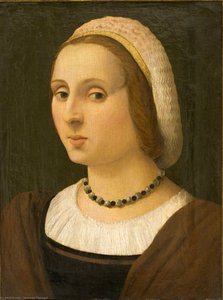
vincenzo tamagni
1492 - 1530
Quick Facts
- Artistic Movement Or Style: Renaissance
- Artists Or Movements Influenced By This Artist:
- Vasari
- Roman Frescoes
- Artists Who Influenced This Artist:
- Sodoma
- Raphael
- Peruzzi
- Date Of Birth: 1492
- Date Of Death: 1530
- Full Name: Vincenzo Tamagni
- Nationality: Italian
- Notable Artworks:
- Virgin and Child Enthroned
- Birth of the Virgin
- Meeting Joachim Anne
- Place Of Birth: San Gimignano, Italy

